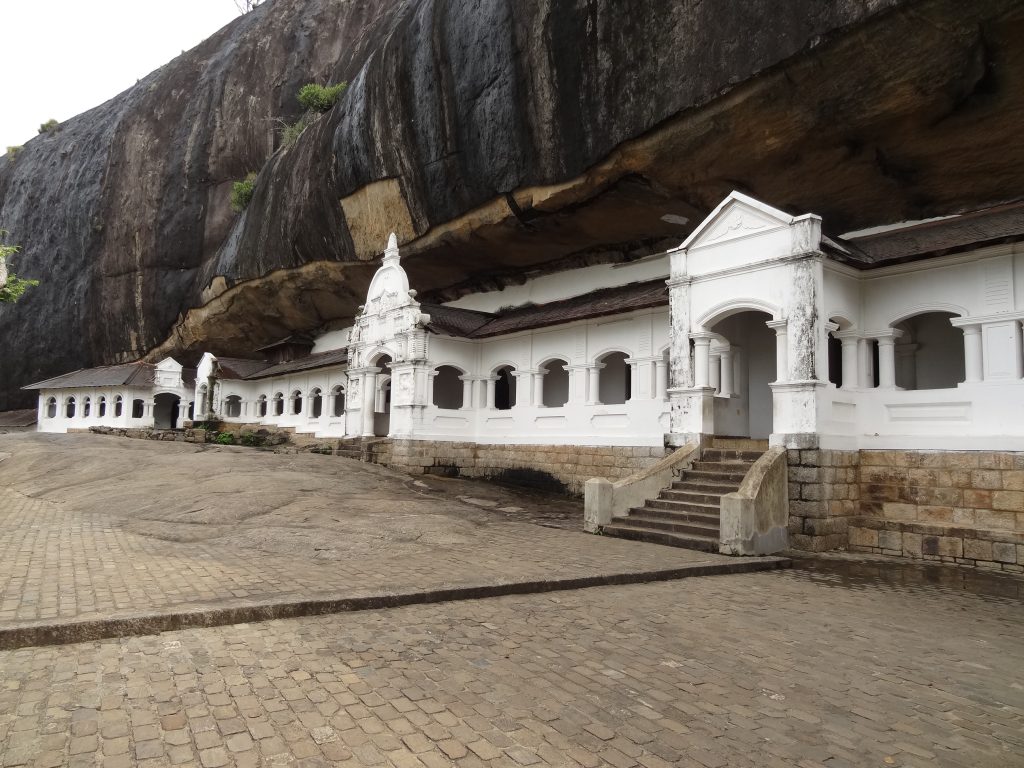
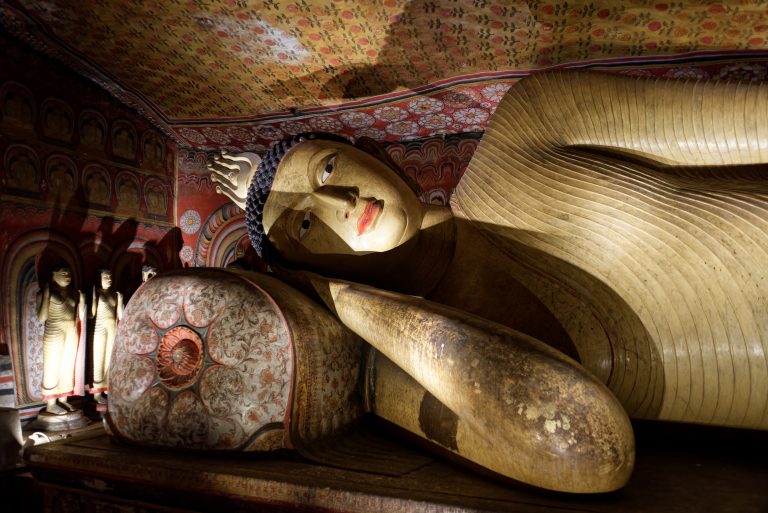
The Rangiri Dambulla Cave Temple is a complex of five cave shrines high on a rock above Dambulla, in Matale District. UNESCO, which inscribed it in 1991, calls it a sacred pilgrimage site for 22 centuries and the largest, best-preserved cave-temple complex in Sri Lanka. Its murals cover about 2,100 square metres, and there are 157 statues.
Is it worth visiting?
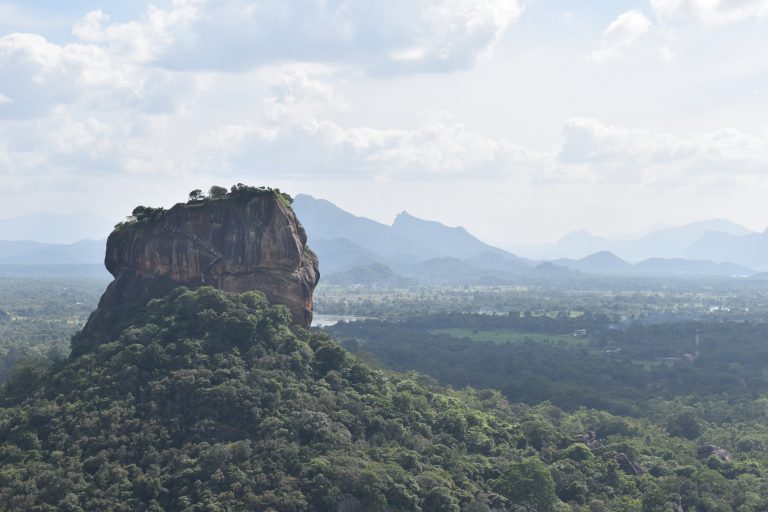
Go if you want to see Buddhist cave art, because the caves are full of murals and the statues include a great rock-cut reclining Buddha. It combines easily with Sigiriya on the same day, and Pidurangala Rock, next to Sigiriya, makes a good addition.
Think twice if you struggle with steps in the heat, because a long climb up granite steps leads to the caves and shoes come off at the top.
History
Forest monks lived in the caves from the 3rd century BCE, and the temple itself dates from the 1st century BCE, traditionally linked to King Valagamba. The interiors, however, took their present form much later, in the 18th century. UNESCO notes that the monastery includes masterpieces of 18th-century Kandy-school art. Today the temple belongs to the Asgiriya Chapter of the Buddhist order, while the Department of Archaeology protects it.
The five caves
The caves are the Devaraja Lena, Maharaja Lena, Maha Alut Viharaya, Paccima Viharaya and Devana Alut Viharaya. The first holds the rock-cut reclining Buddha, while the second, Maharaja Lena, is the largest.

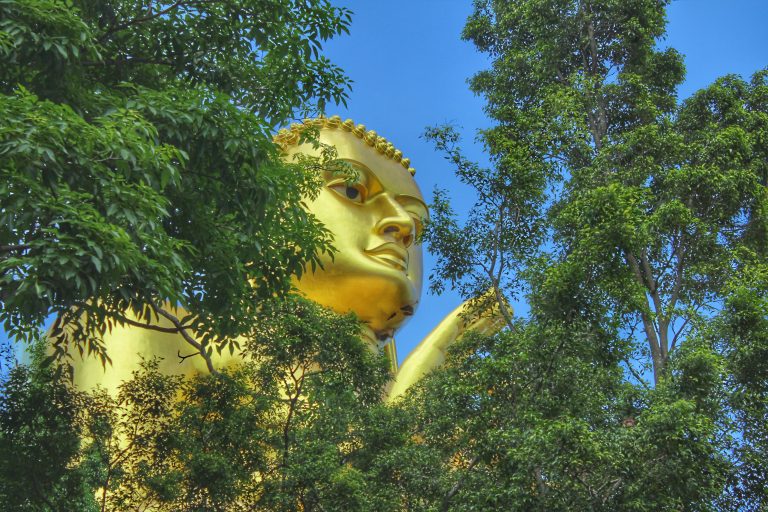
Don’t confuse the caves with the modern building at the foot of the rock, a Buddhist museum topped by a large golden seated Buddha. The painted caves are at the top of the climb instead.
Visiting
- What to wear: cover your shoulders and knees, and remove shoes and hats before entering the caves. Recent visitors (2024–26) report that staff turn away visitors who don’t cover up.
- Photography: Sri Lanka Tourism asks visitors never to pose for photos in front of or beside the statues and murals. It also warns that flash can damage the old paintings.
- Tickets: foreign visitors pay an entrance fee at the office near the golden temple at the foot of the rock, according to Sri Lanka Tourism. No current, dated official price is online, though, because the cave temple isn’t on the Central Cultural Fund’s price list. Recent visitor reports quote different amounts.
- When to go: Sri Lanka Tourism recommends the morning or evening because of the long climb on granite steps.
Frequently asked questions (FAQs)
How many caves are there at Dambulla?
Five cave shrines, with murals covering about 2,100 square metres and 157 statues, according to UNESCO.
What should I wear?
Clothing that covers your shoulders and knees. Shoes and hats come off before you enter the caves.
Is the golden Buddha the cave temple?
No. The golden Buddha tops a modern museum at the foot of the rock. You find the painted caves at the top of the climb, though.
Can I take photos inside the caves?
Sri Lanka Tourism asks visitors not to pose in front of or beside statues and murals, and warns that flash can damage the old paintings.
Sources: whc.unesco.org, srilanka.travel (attraction), en.wikipedia.org, srilanka.travel (travel tips) and recent visitor reports. Header photo: Cherubino / Wikimedia Commons, CC BY-SA 3.0.