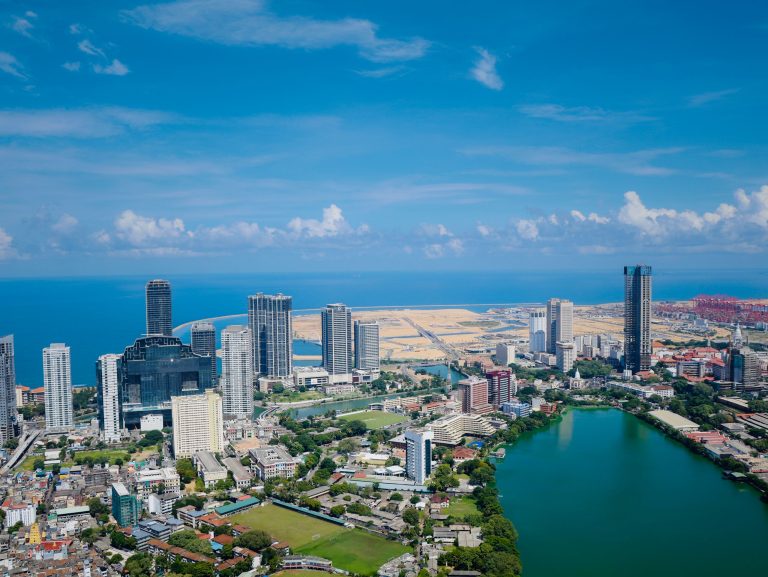
Most visitors to Sri Lanka come home without any trouble, but no government will promise you a safe trip, and neither will we. The UK and Canadian governments, for example, don’t advise against travel here, but both remind visitors to take care. The risks that hurt visitors most often are ordinary ones: the sea, the roads, wild animals met on foot, and petty theft and touts in the busy places. This guide sets out what official advice says about each, and what you can do about it.
What the official travel advice says
When we checked in October 2026, neither of these governments advised against travel to Sri Lanka:
- UK (FCDO): no advice against travel, with the reminder that “no travel can be guaranteed safe”.
- Canada: “exercise a high degree of caution”.
All of them mention the same background risks: terrorist attacks cannot be ruled out, as the Easter Sunday bombings of 2019 showed, and protests can start at short notice and turn violent. Avoid demonstrations and large gatherings, follow local news and do what the police tell you. Levels change, so read the FCDO’s Sri Lanka advice or your own government’s page shortly before you fly.
The sea is the biggest everyday risk
Many Sri Lankan beaches have strong surf and rip currents at some times of year, and most have no lifeguards. The Sri Lanka Coast Guard runs lifesaving posts at a number of popular tourist beaches, but most of the coast is unguarded. The Coast Guard says that since it was set up in 2010 it has pulled 2,629 people out of the water, 1,221 of them foreign tourists (figures to April 2026).
In July 2026 a 49-year-old Dutch visitor drowned while swimming off Nilaveli, and in August 2026 a 21-year-old tourist surfing off Weligama was caught by a current in strong winds and swept away.
- Ask your hotel or a local surf school where and when it is safe to swim, and believe them if they say “not today”.
- Look for flags and warning signs, and swim near other people rather than on an empty stretch.
- Don’t swim after drinking, at night, or alone.
- Take care in rivers and lagoons: Canada’s advice warns of crocodiles and hidden rocks.
Surf and currents change with the seasons, so a bay that was calm on one trip can be dangerous on the next. The Department of Meteorology (meteo.gov.lk) publishes forecasts and weather warnings.
Roads, tuk-tuks and trains
The FCDO describes driving in Sri Lanka as erratic, with frequent road accidents, particularly at night. Canada’s advice adds that drivers can be aggressive and reckless and that accidents causing death and injury are common. The FCDO also says public buses are often driven dangerously, so when you walk along a road, face the oncoming traffic and keep well in.
Hiring a scooter or car. The FCDO advises against riding motorbikes. If you want to drive, an International Driving Permit alone is not enough; you also need a Sri Lankan permit. Check the current rules with the Department of Motor Traffic before you pick up a vehicle, and make sure your insurance covers you.
Tuk-tuks. Use a ride-hailing app where you can, or agree the fare before you get in. The FCDO notes occasional reports of harassment, particularly of women travelling at night.
Trains. The hill-country line is the one everyone photographs from an open door, and it is where the accidents happen. In June 2024 a foreign passenger travelling to Ella was killed when he was hit by a tunnel wall between Nanu Oya and Idalgashinna while hanging out of the doorway, and in July 2026 a tourist was injured after falling from a moving train near Ambewela while taking a selfie. Railway law requires passengers to stay inside the carriage while the train is moving. Take your photos from your seat or a window, and pull your head in well before tunnels.
Wildlife: stay in the vehicle
Wild elephants kill people in Sri Lanka, and visitors are not immune. In February 2026 a tourist walking back to his hotel after visiting Pidurangala near Sigiriya was killed by a wild elephant at a spot where a sign warned of elephants.
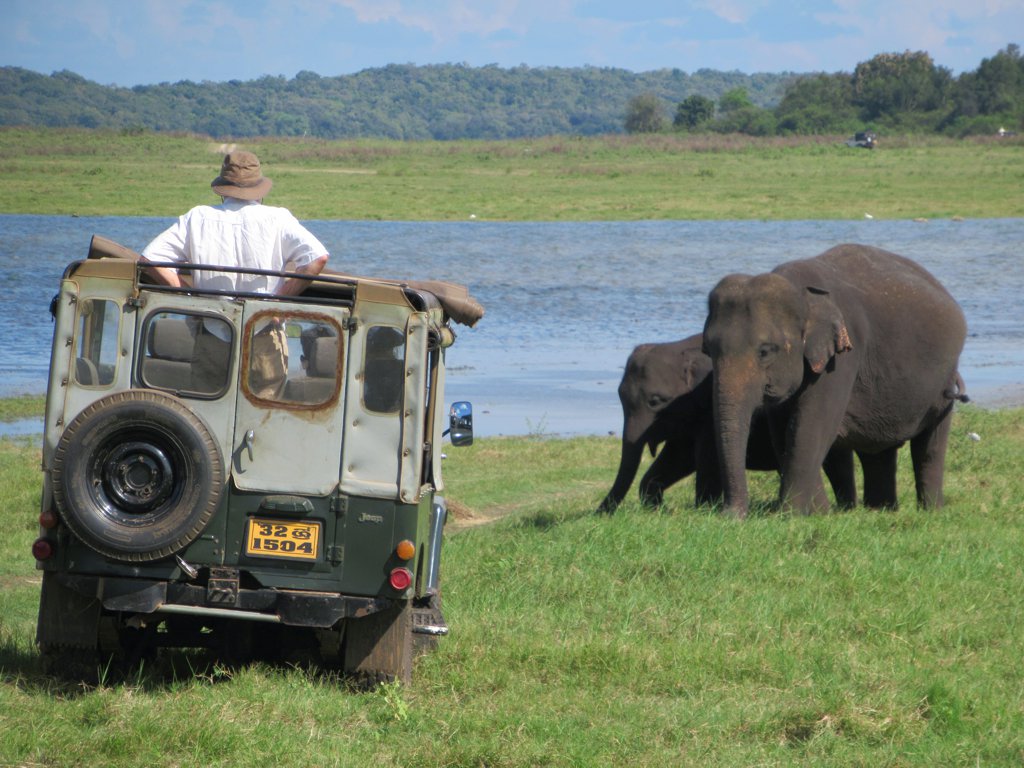
- In national parks, stay in the jeep unless the park tracker tells you otherwise. Canada’s advice warns that wild animals are most dangerous when you are on foot or close to them, and recommends going only with professional guides.
- Never feed wild animals. On the Kataragama–Buttala road, which runs through Yala, elephants have learned to approach cars for food. The Department of Wildlife Conservation says getting out of vehicles and feeding the elephants there is prohibited, and that it will prosecute people who do it.
- If you meet an elephant on a road or path, keep your distance, don’t approach for a photo, and turn back if it is in your way.
- The FCDO notes that crocodiles occasionally attack and that venomous snakes live here too, though they are less common in built-up areas. Watch where you step on rural paths, and carry a torch at night.
Stray dogs and temple monkeys are part of daily life here. Don’t touch or feed them; rabies is present in Sri Lanka.
Theft, scams and touts
Serious crime against visitors is not common, but petty crime is. The FCDO warns of bag snatching by thieves on mopeds and of bank card fraud; use ATMs inside banks or hotels and keep your card in sight when you pay. Canada’s advice says pickpocketing is frequent on public transport. The FCDO also warns about drink spiking: don’t accept drinks from strangers or leave yours unattended.
Most hassle, though, comes from touts rather than thieves. Recent visitors (2025–26) report the same tricks again and again:
- Tuk-tuk drivers who skip the fare talk and charge far more at the end, or take you to shops where they earn commission.
- A friendly stranger who tells you about a temple festival or gem sale “today only”, which ends in a shop.
- Gem shops selling poor stones at high prices. The government’s National Gem and Jewellery Authority tests gems and issues certificates for a fee at its laboratories, so get an expensive stone checked before you hand over money.
- Self-appointed guides at popular sights and stations, including people on the path up Ella Rock who say you are going the wrong way and then ask for money to show you the “right” one.
- Resold or fake train tickets around the hill-country stations. Buy reserved seats only on the Sri Lanka Railways seat reservation site or at the station.
A polite “no, thank you” and walking on is usually enough. And apply for your ETA only through the official ETA site.
Women travellers
The FCDO says women report harassment ranging from lewd comments to physical assault, particularly in crowded places such as markets, bus stations and tourist sites, and suggests carrying a personal alarm. Canada’s advice says harassment of women is frequent and that reports of sexual assault against foreign travellers are increasing. Take extra care when travelling alone, especially after dark: book tuk-tuks through an app at night, and report harassment to the Tourist Police.
Weather, floods and landslides
Monsoon rain brings floods and landslides that can cut roads and railways, and tropical cyclones are possible. If you are travelling in a wet spell, check the Disaster Management Centre and the Department of Meteorology, and ask locally before you set off on hill roads or forest trails.
Laws that catch visitors out
The FCDO lists a few that matter for visitors:
- You must carry your passport as ID.
- Drug offences carry severe penalties, including long prison sentences.
- Don’t photograph military sites, government buildings or VIP convoys, and register a drone with the Civil Aviation Authority before you fly it.
- Nude and topless sunbathing are not allowed.
- Treat Buddhist images with respect, and cover shoulders and legs at temples. Visible Buddha tattoos have led to visitors being deported.
Emergency numbers
- Police emergency: 119, free from any phone.
- Ambulance: 1990 (the free 1990 Suwa Seriya service, which covers the whole island).
- Tourist Police: 011 242 1451. The Tourist Police Division is based in the Sri Lanka Tourism building at 80 Galle Road, Colombo 3, and is there to help visitors, including in emergencies.
- Sri Lanka Tourism hotline: 1912, from any network in the country. It can put you through to the Tourist Police if you want to complain about harassment or poor service.
Save these in your phone before you arrive, along with your embassy’s number and your insurer’s emergency line. For dengue, rabies and water, see our Sri Lanka health guide.
Frequently asked questions (FAQs)
Is Sri Lanka safe for tourists right now?
When we checked in October 2026, the UK and Canadian governments did not advise against travel but asked visitors to take care (Canada: “exercise a high degree of caution”). Check your own government’s advice before you go.
Is it safe to swim in the sea in Sri Lanka?
Not everywhere and not all year. Many beaches have strong rip currents and few have lifeguards, so ask locally, watch for flags and don’t swim alone or after drinking.
What is the emergency number in Sri Lanka?
Call 119 for the police and 1990 for an ambulance. The Tourist Police are on 011 242 1451, and the Sri Lanka Tourism hotline is 1912.
Is Sri Lanka safe for solo female travellers?
Official advice from the UK and Canada says harassment is common and sexual assaults against foreign travellers have been reported. Take extra care after dark and in crowded places, and use app-booked tuk-tuks at night.
Is it safe to drive in Sri Lanka?
The FCDO describes driving as erratic, with frequent accidents, especially at night, and advises against riding motorbikes. You also need a Sri Lankan permit as well as an International Driving Permit.
Are elephants dangerous to tourists?
Yes, if you meet them on foot or get too close. Stay in the vehicle in national parks, never feed elephants, and keep your distance on roads and paths.
Sources: gov.uk (sri lanka), gov.uk (safety and security), gov.uk (getting help), travel.gc.ca, sltda.gov.lk (tourist police), sltda.gov.lk (dial 1912), en.wikipedia.org, dailymirror.lk (19 rescued from drowning in…), adaderana.lk (cms2kcv0b0004356qtqbmfcva), adaderana.lk (cmslg3o130007356qdn18hjd1), newswire.lk (surfing trip ends in tragedy…), dailymirror.lk (Foreign train passenger dies after…), newswire.lk (tourist falls from train while…), dailymirror.lk (Foreign tourist visiting Sigiriya trampled…), newswire.lk (tourist killed in wild elephant attack), adaderana.lk (cmukumoyq000g356opk4zlwsz), ngja.gov.lk, dmt.gov.lk, dmc.gov.lk, meteo.gov.lk, eta.gov.lk, seatreservation.railway.gov.lk and recent visitor reports. Header photo: Rehman Abubakr / Wikimedia Commons, CC BY-SA 4.0.