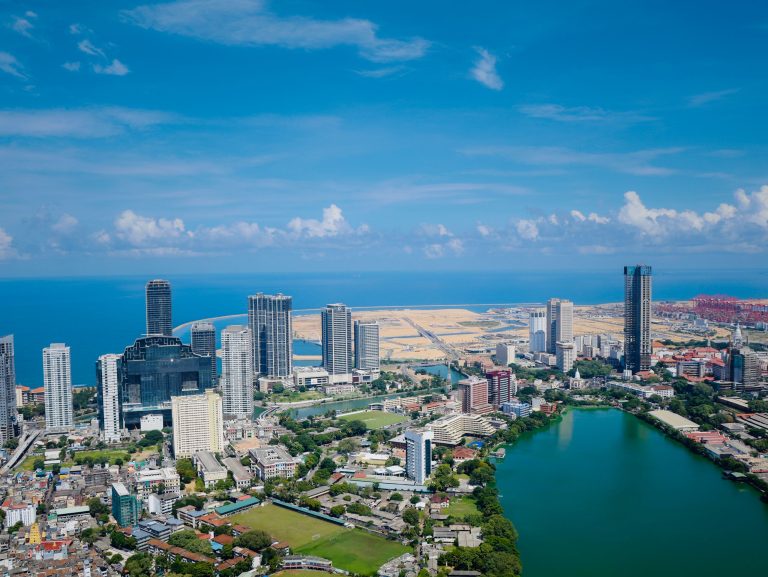
The health risks most visitors to Sri Lanka actually meet are mosquitoes, animals, heat and the odd upset stomach. Malaria is not one of them: the World Health Organization certified Sri Lanka malaria-free in September 2016. Dengue is the one to take seriously, and rabies is present in dogs and other animals. This guide sums up what official health sources say and points you to them. It is not medical advice, so see a travel health clinic before you go. If you’re planning a treatment stay, see our guide to Ayurveda in Sri Lanka.
Before you go: see a travel health clinic
The UK’s travel health service, TravelHealthPro (run by NaTHNaC), suggests booking an appointment with a health professional ideally four to six weeks before you travel. Take your itinerary along. What you need depends on how long you are staying, where you are going and what you will be doing.
For Sri Lanka, the UK and US official pages broadly agree on the list to discuss:
- Routine vaccines, including a tetanus booster if your last dose was more than ten years ago.
- Hepatitis A and typhoid, which the US CDC recommends for most travellers and the UK advises for travellers whose plans put them at higher risk.
- Hepatitis B, to consider, depending on your age and plans.
- Rabies, for longer stays and travellers more likely to handle or meet animals.
- Japanese encephalitis, mainly for stays of a month or more.
There is no yellow fever in Sri Lanka. Even so, you need a yellow fever vaccination certificate if you arrive from a country with a risk of yellow fever. The same applies after more than 12 hours in transit at an airport in one. The official country pages are TravelHealthPro’s Sri Lanka page and the CDC’s Sri Lanka page.
Two more things to sort before you leave. Travel insurance with medical cover: the UK FCDO says private hospital treatment can be expensive. Repatriation in an emergency, it adds, is limited and very expensive. And your medicines: the rules on some prescription drugs differ between countries, so check before you pack them.
Dengue: the mosquito to worry about
Dengue is spread by Aedes mosquitoes, which bite during the day. They breed in standing water in containers and other small pools around buildings. So you meet them in towns as much as in the countryside. Canada’s travel advice says the risk is there all year but varies with the seasons. The Ministry of Health’s National Dengue Control Unit warns that monsoon rain creates new breeding sites and can push cases up again.
According to the WHO, most people recover within one to two weeks, but some develop severe dengue. The risk is higher if you have had dengue before. There is no specific treatment. The WHO says doctors treat pain and fever with paracetamol. Avoid anti-inflammatory painkillers such as ibuprofen and aspirin, it adds, because they can increase the risk of bleeding. If you get a high fever in Sri Lanka or soon after you get home, see a doctor and mention where you have been.
There is no dengue vaccine for most travellers. TravelHealthPro says it is only for some people who have already had dengue. So prevention comes down to not being bitten:
- Use an insect repellent containing DEET, picaridin (icaridin) or IR3535, and reapply it during the day, not only at dusk.
- Wear long, loose clothing that covers your arms and legs.
- Sleep under a mosquito net, or in a room with screened windows.
The same mosquitoes carry chikungunya and Zika, which TravelHealthPro also lists as risks here. If you are pregnant or planning a pregnancy, talk to a health professional about Zika before you book.
The Epidemiology Unit of the Ministry of Health publishes the official dengue figures on epid.gov.lk, and the National Dengue Control Unit posts its own updates.
Is there malaria in Sri Lanka?
No. The WHO certified Sri Lanka malaria-free in September 2016; there had been no locally transmitted cases since October 2012. TravelHealthPro states that there is no risk of malaria in Sri Lanka. If your trip also takes in countries where there is malaria, ask your travel clinic about those. You still need to avoid mosquito bites, because of dengue.
Rabies, dogs and monkeys
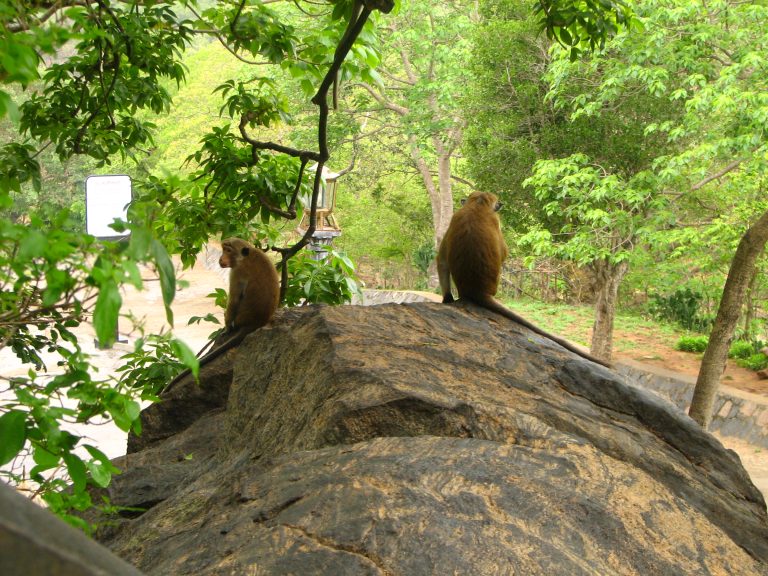
Rabies is a risk in Sri Lanka. The CDC notes that dogs infected with rabies are commonly found here, and the FCDO says feral dogs are common. You will also meet monkeys around temples such as Dambulla Cave Temple. Many of these animals are used to people. Still, the official advice is simple: don’t touch or feed animals you don’t know, however friendly they look.
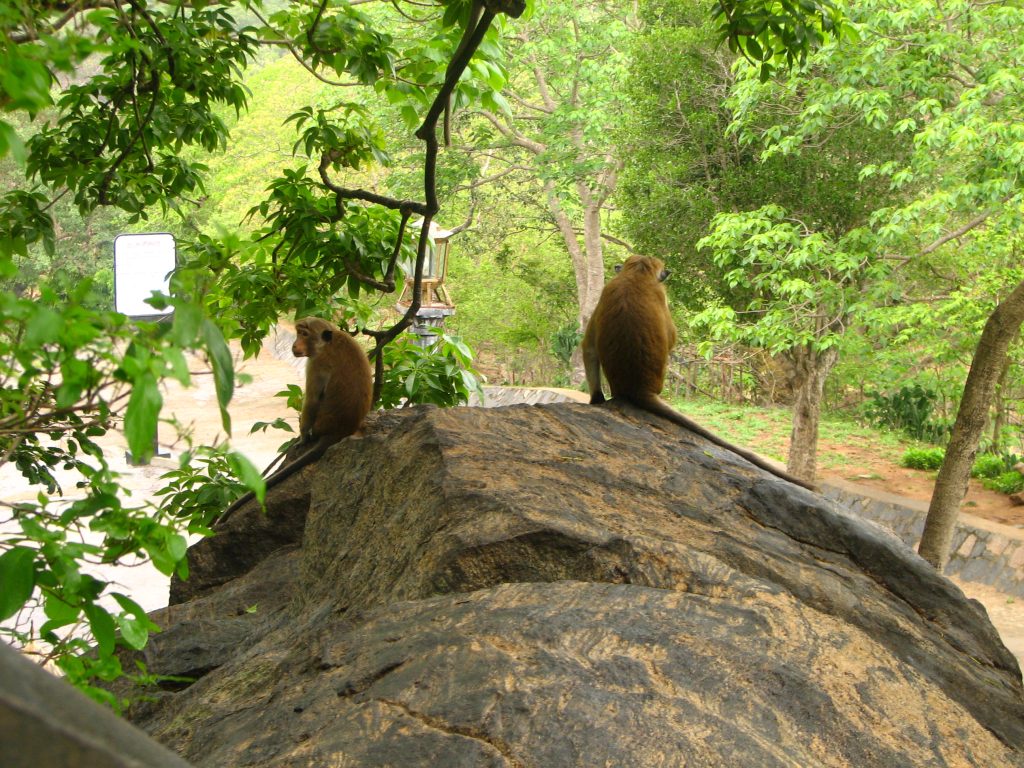
If you are bitten or scratched, wash the wound well with soap and water and get medical help the same day. TravelHealthPro advises immediate medical assessment, even if you had a rabies vaccine before you came. Sri Lanka’s government hospitals have rabies units that give post-exposure treatment.
Water, food and stomach upsets
Official advice from TravelHealthPro and the CDC is to take care with food and water hygiene. Canada’s travel advice sums it up as “boil it, cook it, peel it, or leave it”. In practice, that means drinking bottled, boiled or properly treated water. Choose food that is freshly cooked and served hot, and wash your hands before you eat.
Heat and sun
The north, the plains around the ancient cities and the east can be very hot. In 2026 the Department of Meteorology issued “caution level” heat advisories for parts of the island many times. Its advice on those days is to drink plenty of water, stay out of direct sun where you can, and avoid strenuous activity in the hottest part of the day. Plan climbs such as Sigiriya or Pidurangala for the early morning, carry water and wear a hat.
Leeches, paddy fields and floodwater
In the wet zone, especially after rain, leeches are a fact of life on forest and tea-country paths. Visitor reports from the Sinharaja rainforest mention them again and again. The walkers who cope best wear leech socks, long trousers tucked into them and repellent on their shoes and socks.
Leptospirosis, known locally as rat fever, is a more serious reason to keep out of muddy water. It spreads when rain washes animal urine into paddy fields, rivers, ponds and flooded areas. It then enters the body through cuts or through the eyes, nose or mouth. Sri Lanka’s Epidemiology Unit advises covering any wounds with waterproof dressings. Avoid wading or swimming in floodwater and murky fresh water. If you develop a fever after contact with it, get treatment quickly: leptospirosis is treatable when caught early.
The UK FCDO also lists altitude sickness as a risk in parts of Sri Lanka, so mention any high hill-country walks when you see your travel clinic.
If you need a doctor
Medical care is best in Colombo. The FCDO warns that emergency treatment outside the main cities is not readily available and that you may need to be moved to Colombo. For an ambulance, call 1990, the free national 1990 Suwa Seriya service. Bring enough of any regular medicine to last your whole trip. For road, sea and wildlife risks, see our Sri Lanka travel safety guide.
Frequently asked questions (FAQs)
Do I need vaccinations for Sri Lanka?
The only certificate requirement is for yellow fever, and only if you arrive from a country with a risk of yellow fever. Official UK and US advice recommends being up to date with routine vaccines. Discuss hepatitis A, typhoid and others with a travel health clinic, ideally four to six weeks before you go.
Is there malaria in Sri Lanka?
No. The WHO certified Sri Lanka malaria-free in September 2016, and the UK’s TravelHealthPro says there is no risk of malaria in the country.
Is dengue a risk in Sri Lanka?
Yes. Dengue is a risk all year, and rain can push cases up. The mosquitoes bite during the day, so use repellent from morning to evening.
Can you drink tap water in Sri Lanka?
Official advice is to take care with water hygiene, so drink bottled, boiled or properly treated water.
What should I do if a dog bites me in Sri Lanka?
Wash the wound with soap and water and get medical help the same day, even if you have had a rabies vaccine. Government hospitals have rabies units that give post-exposure treatment.
Header photo: xiquinhosilva / Wikimedia Commons, CC BY 4.0.