Snorkelling in Sri Lanka is easy to try. You can do it from the beach at several places. All you need is a mask and a short swim, not a course. The best-known sites are a marine national park off the east coast and a reef lagoon on the south-west coast. Which one is open and clear depends on the month, so this guide starts with the season.
Is it right for you?
Go if you want an easy first look at a reef. Expect a few fish, some coral and a fair chance of a turtle in shallow water.
Think twice if you expect pristine coral. Much of the reef at Hikkaduwa is dead or recovering. Bleaching hit Pigeon Island in 2010, and recent visitors describe patchy coral at Jungle Beach. Treat it as a pleasant swim with fish, not a Great Barrier Reef.
When to snorkel, and where
The sea decides. The east coast is at its calmest in the middle of the year. Sri Lanka Tourism says the sea on the south-west coast is calm from November to March.
- May to September: the east coast. Pigeon Island, off Nilaveli, and the calm bay at Marble Beach are the places to go.
- November to March: the south-west coast. Hikkaduwa’s lagoon, the eastern end of Unawatuna’s bay and Jungle Beach all work then.
- October to January: avoid the east coast. Rough seas closed Pigeon Island at the start of the north-east monsoon in December 2023 and December 2025.
The main sites
Pigeon Island National Park is a marine national park about 1 km off Nilaveli beach. Surveys have recorded more than 100 species of coral and 300 species of reef fish. Visitors often see blacktip reef sharks and sea turtles in the shallow coral areas. You need a permit from the Department of Wildlife Conservation, paid on top of the boat fare. The boat desks get busy at weekends and in school holidays. Recent visitors (2025–26) report roped-off areas where swimming is not allowed, to let the coral recover.
Hikkaduwa National Park is the shallow reef lagoon off Hikkaduwa’s main beach. The Department of Wildlife Conservation lists snorkelling and boat safaris there. The reef covers about 101 hectares, with hawksbill, green and olive ridley turtles visiting. It is easy to reach from the sand, but a 1998 bleaching cut live coral cover from 47% to 13%. For which stretch of beach to use, see Hikkaduwa Beach.
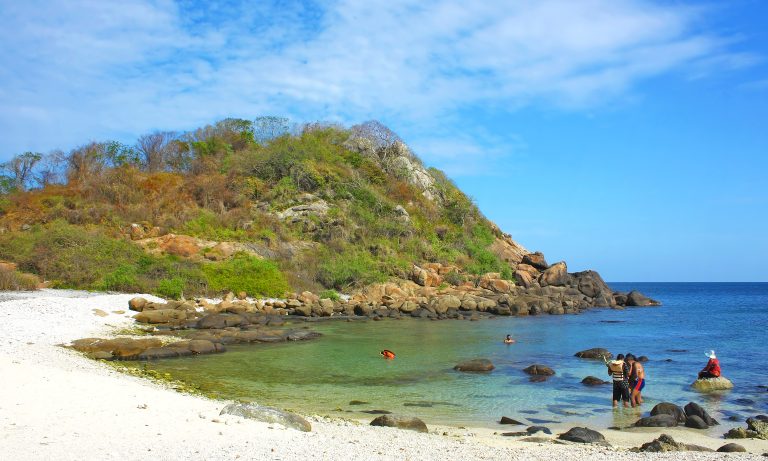
Unawatuna Beach has coral near the shore at its eastern end, under the Rumassala headland. Jungle Beach has snorkelling over the rocks at either end of the cove, but the coral is patchy. Some of it is bleached or broken.
Marble Beach, near Trincomalee, is a ticketed Air Force bay. The Air Force describes the water as calm and clear, good for beginners and experienced snorkellers alike.
Kalkudah Beach and Pasikuda have shallow reef close to shore. Recent visitors say there is reasonable snorkelling where the reef is healthy. They also report sharp coral and shell fragments near the water’s edge, so wear sandals.
Looking after the reef
Corals are protected under Sri Lanka’s Fauna and Flora Protection Ordinance, so don’t stand on, touch, kick or take them. At Hikkaduwa, you must not touch coral, and in 2025 officials arrested and prosecuted one person who damaged the reef. Leave turtles and sharks alone too: don’t touch, feed or chase them, and take your rubbish back with you.
Staying safe
Rough water is the main danger, so don’t go out when the sea is up. Keep to the areas that lifeguards or boat crews point out. Our guide to swimming safety and rip currents explains how to read the sea and what to do if a current takes you. If a boat trip is cancelled for rough sea, as at Pigeon Island in December 2023 and December 2025, accept the decision.
Where to go next
For the full list of beaches by coast and month, see our guide to the best beaches in Sri Lanka. The Department of Wildlife Conservation runs the national parks, so check there for current permits and closures.
Frequently asked questions (FAQs)
Where is the best place to snorkel in Sri Lanka?
Pigeon Island National Park off Nilaveli, in the middle of the year, and the reef lagoon at Hikkaduwa from about November to March. Neither has pristine coral.
When can you snorkel at Pigeon Island?
When the sea is calm enough for boats, mostly in the dry middle of the year. The Department of Wildlife Conservation closed the park in December 2023 and December 2025 at the start of the north-east monsoon.
Do you need a permit to snorkel at Pigeon Island?
Yes. As in every national park, you need a permit from the Department of Wildlife Conservation, paid on top of the boat fare. Check the current fee locally.
Can you see turtles when snorkelling?
Often, in shallow water at Hikkaduwa and Pigeon Island, but never guaranteed. Don’t touch, feed or chase them.
Can you touch the coral?
No. Corals are protected, and at Hikkaduwa you must not touch them.
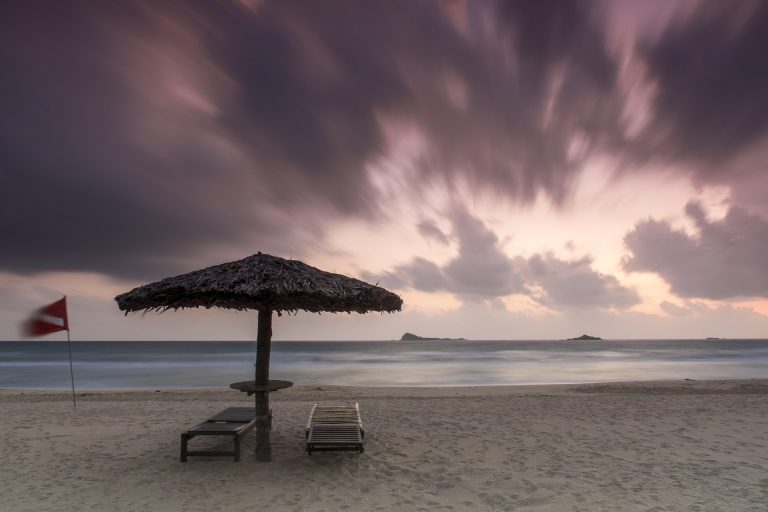
Header photo: AntanO / Wikimedia Commons, CC BY-SA 4.0.