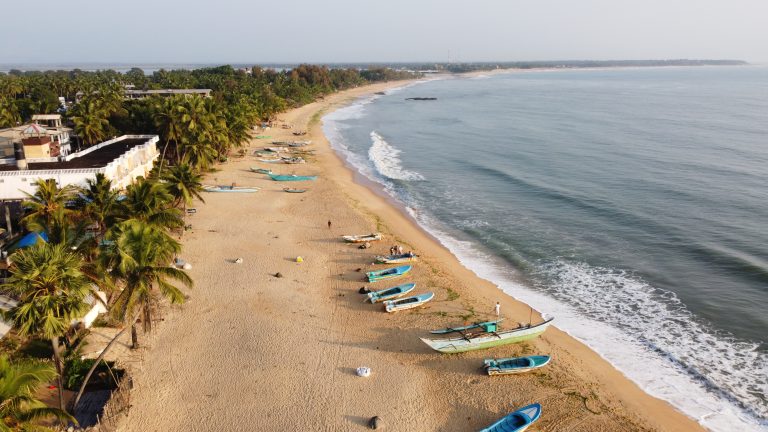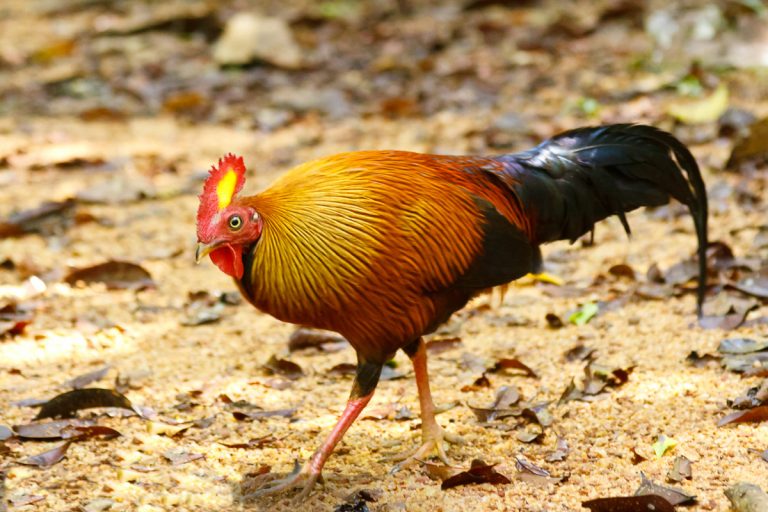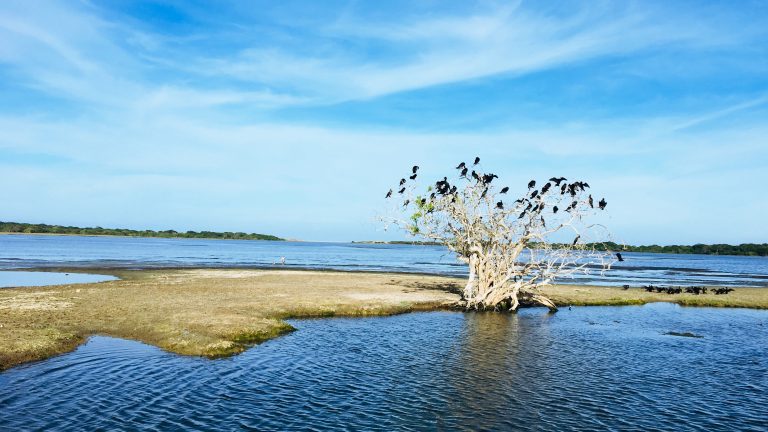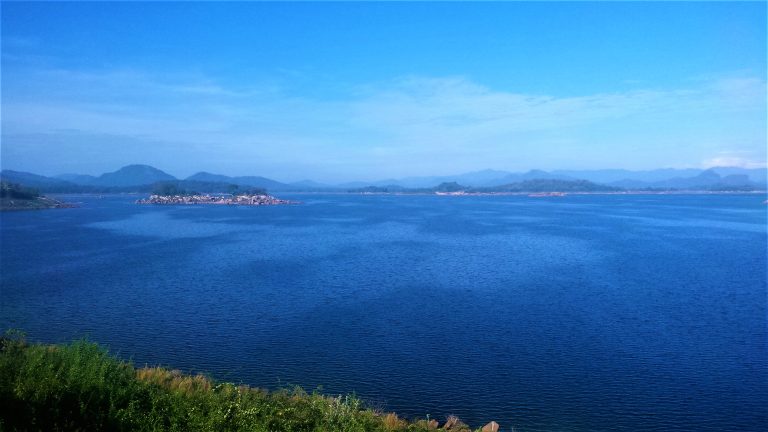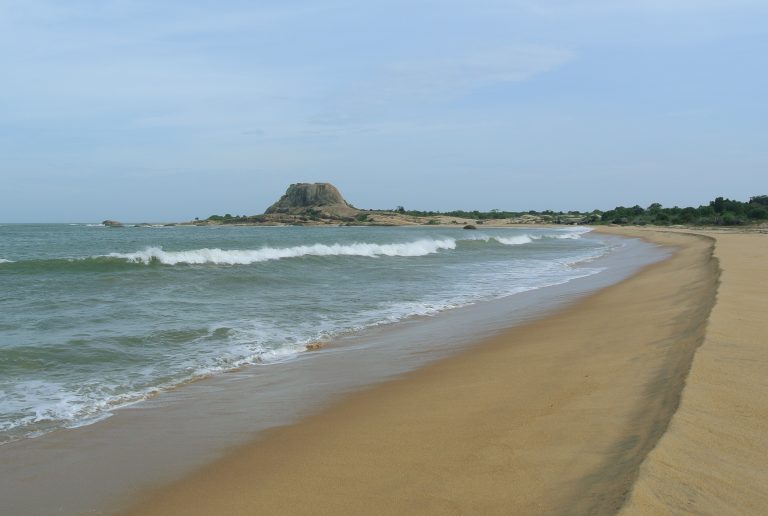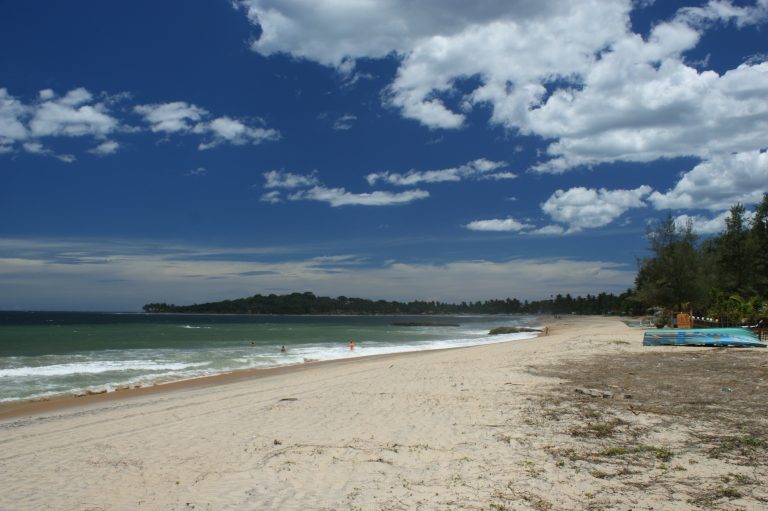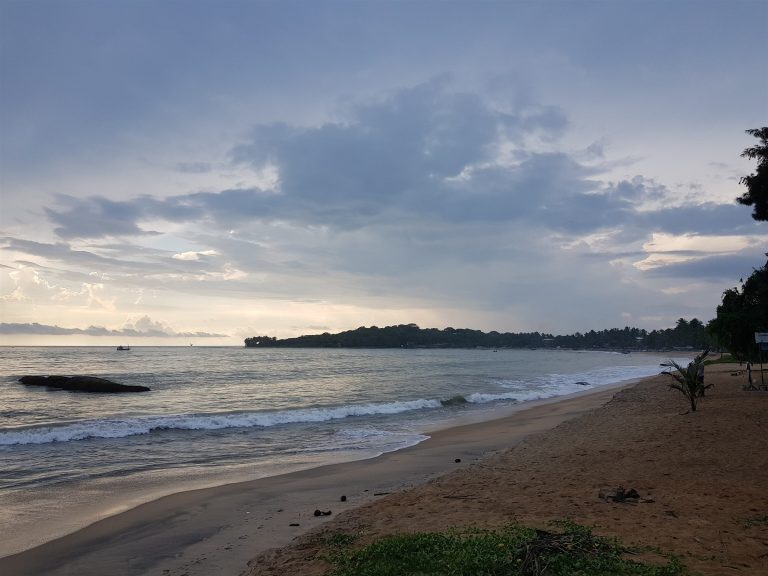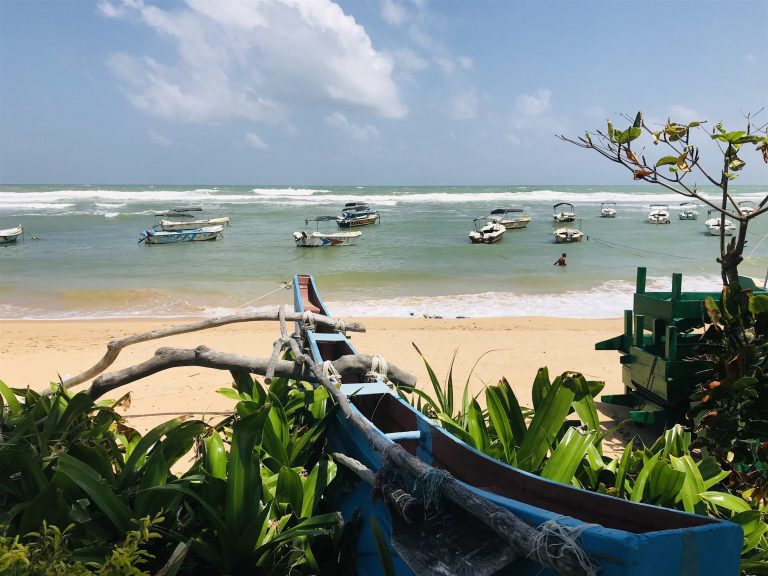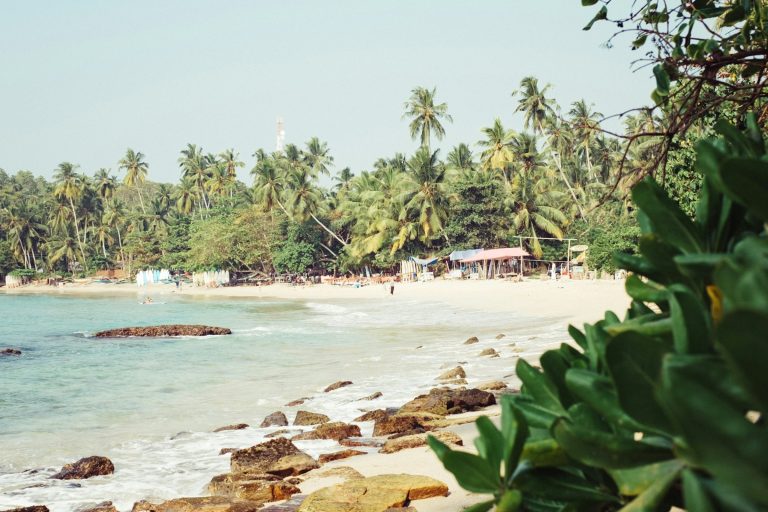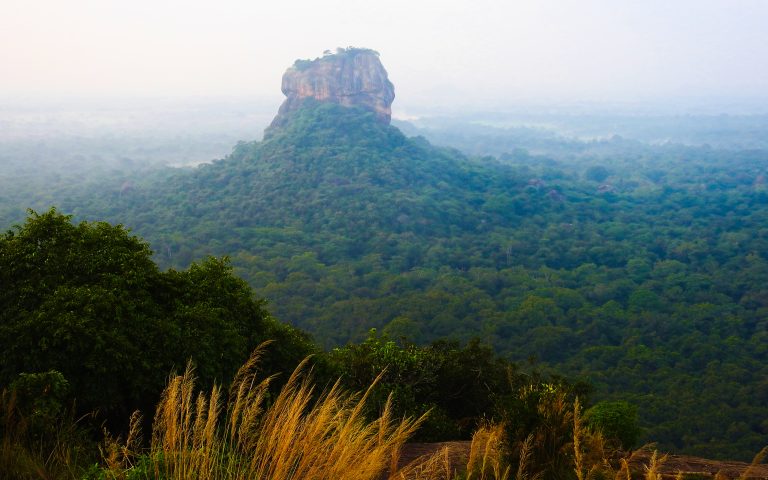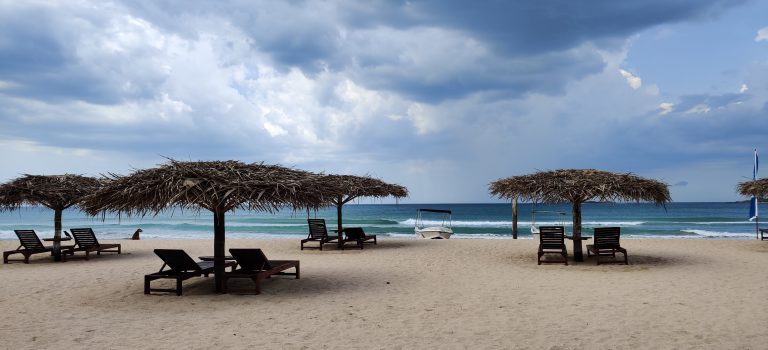
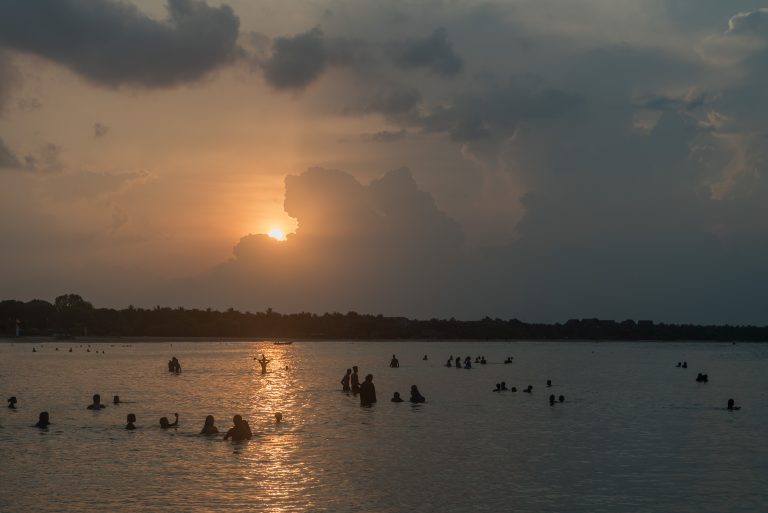
Sri Lanka’s east coast has its dry season when the south and west are getting the monsoon. That makes it the coast to head for in the middle of the year. This nine-day route runs south from Trincomalee, with its clifftop temple and snorkelling off Pigeon Island, to the shallow bay at Pasikuda and the surf town of Arugam Bay. There are only two moves, and each base gets at least two nights.
Is the east coast right for you?
Go if you are travelling between about May and September and want beaches, reef snorkelling, surf and a slower pace than the busy south-west coast. It also suits a second visit to Sri Lanka, or the last part of a longer trip after the ancient cities and the hills.
Think twice if you are travelling from November to March. Most of the east coast’s rain falls from about October to January, and boat trips to Pigeon Island stop when the sea is rough. Also, recent visitors (2025) report that most hotels and restaurants in Arugam Bay close from November to March. Choose the south coast then instead. This route also has no ancient cities, so pair it with the Cultural Triangle if history matters to you.
When to go
The mid-year dry season on this coast comes while the south-west monsoon is soaking the other side of the island. The difference is stark. For example, long-term averages for Trincomalee give about 26 mm of rain in June against about 376 mm in November.
- May to September: the main season. Calm seas around Trincomalee and Pasikuda, and Arugam Bay’s surf season, which Sri Lanka Tourism gives as April to October.
- April to July: the time for birds at Kumana, when large flocks of waterbirds gather to breed.
- October to January: the wet season here. Expect rough seas and closures.
Our guide to the best time to visit Sri Lanka compares the coasts month by month.
Nine days at a glance
- Trincomalee (Uppuveli or Nilaveli): 3 nights (Days 1–3)
- Pasikuda: 2 nights (Days 4–5)
- Arugam Bay: 3 nights (Days 6–8)
- Day 9: on to Ella, or back to Colombo
Getting there
From Colombo by train. Trincomalee is the end of a railway line from Colombo Fort, and the overnight Night Mail takes around eight hours. Book reserved seats on the Sri Lanka Railways seat reservation site.
From the Cultural Triangle. If you are coming from Sigiriya or Habarana, Trincomalee is close: recent visitors report about two and a half hours from Habarana by train or by road, along the A6.
By air. Cinnamon Air, a domestic airline, runs scheduled flights from Colombo to China Bay airport at Trincomalee and to Batticaloa. Check its schedule and fares directly.
Days 1–3: Trincomalee, Nilaveli and Pigeon Island
Base yourself on the beach north of town: Uppuveli is close to Trincomalee, and Nilaveli, further up the coast, is quieter. It is also where the boats to Pigeon Island leave from.
Day 1: Swami Rock and Fort Frederick
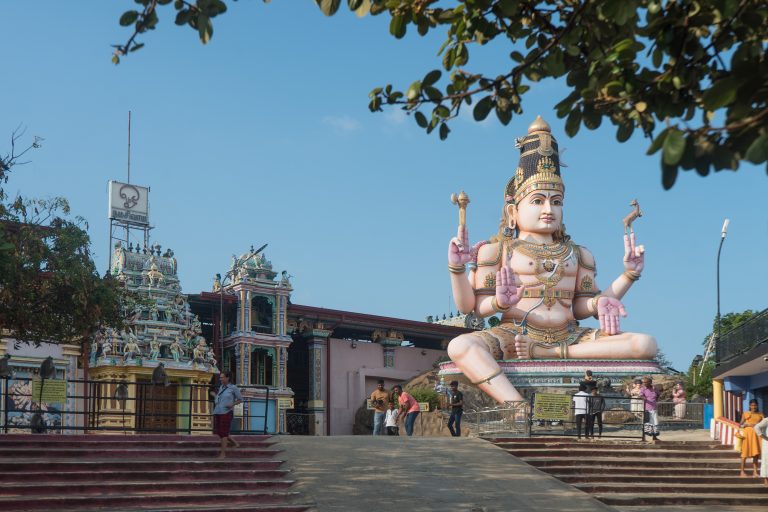
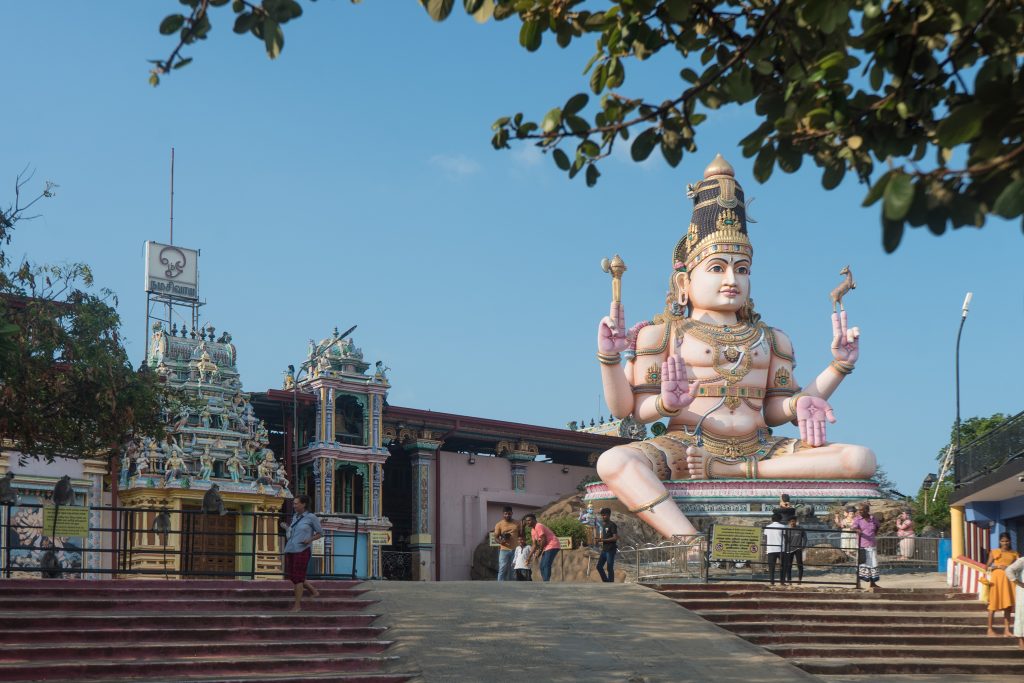
In the late afternoon, take a tuk-tuk to the headland. The road climbs through Fort Frederick, which the Portuguese built in the 1620s and which is still a military base, to the Koneswaram Temple on Swami Rock. Koneswaram is one of the five ancient Shiva temples of Sri Lanka. However, the Portuguese destroyed the original in 1622 and used its stones for the fort. The temple you see today dates from a rebuilding in the twentieth century. Inside, remove your shoes and dress modestly. Also, don’t take photos in the military areas, where the rules restrict photography.
Day 2: Pigeon Island
Go early. Pigeon Island National Park lies about 1 km off Nilaveli beach and protects two small islands and their coral reef. In the shallows you often see blacktip reef sharks and sea turtles. You pay a Department of Wildlife Conservation park permit on top of the boat fare. Recent visitors (2025–26) report busy boat desks at weekends and in school holidays, and roped-off areas where swimming is not allowed so that the coral can recover. Bleaching and heavy use have damaged the reef, so don’t stand on or touch the coral, and leave the turtles and sharks alone. The park closes when the sea is too rough to cross.
In the afternoon, the Commonwealth War Cemetery, about 6 km out of Trincomalee on the Nilaveli Road, is a quiet place to stop on the way back.
Day 3: a boat trip or a slow day
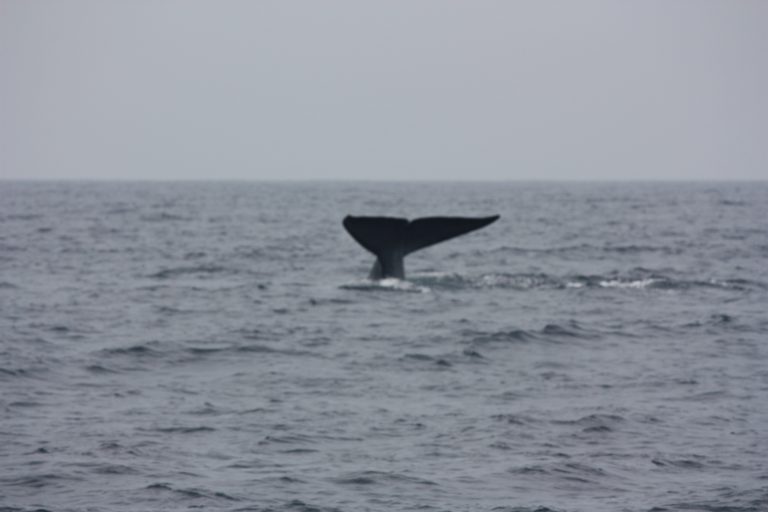
Whale- and dolphin-watching boats run from Trincomalee in the calm months. Sources disagree on the best weeks: The Morning gives May to August, and some operators start earlier or run later. Blue whale sightings have fallen sharply in recent years, so treat a whale as a bonus. Book a licensed operator, and expect a life jacket and a briefing. Walk away from anyone offering to let you swim with whales, because it is illegal. Our guide to whale watching from Mirissa or Trincomalee has the rules in full. If you skip the boat, this is your beach day instead.
Days 4–5: Pasikuda’s shallow bay
Day 4: down the coast
The A15 coast road runs south from Trincomalee through Kinniya, Muttur and Vaharai to Valaichchenai, the town next to Pasikuda. With a driver it is a morning’s journey. By public transport, ask locally about buses towards Batticaloa.
Pasikuda’s bay is famous for its shallow water. It stays shallow a long way out, so you can wade far from the shore. Currents are also weaker than on much of Sri Lanka’s coast. Hotels line the bay, and neighbouring Kalkudah has a long, quieter beach. Even in calm water, watch children closely. In September 2025 lifeguards rescued a seven-year-old from drowning here. The law protects corals, so don’t take or stand on them.

Day 5: Batticaloa, or nothing at all
This is the lazy day of the trip. If you want an outing, Batticaloa, about 35 km to the south-east, is a working city on a long lagoon. The Portuguese built its small fort in 1628, and the Dutch took it in 1638. The old Kallady Bridge, meanwhile, belongs to the legend of the “singing fish”. On full-moon nights, people say, a faint musical sound rises from the lagoon. Nobody guarantees you will hear it.
Days 6–8: Arugam Bay, the lagoon and Kumana
Day 6: south to Arugam Bay
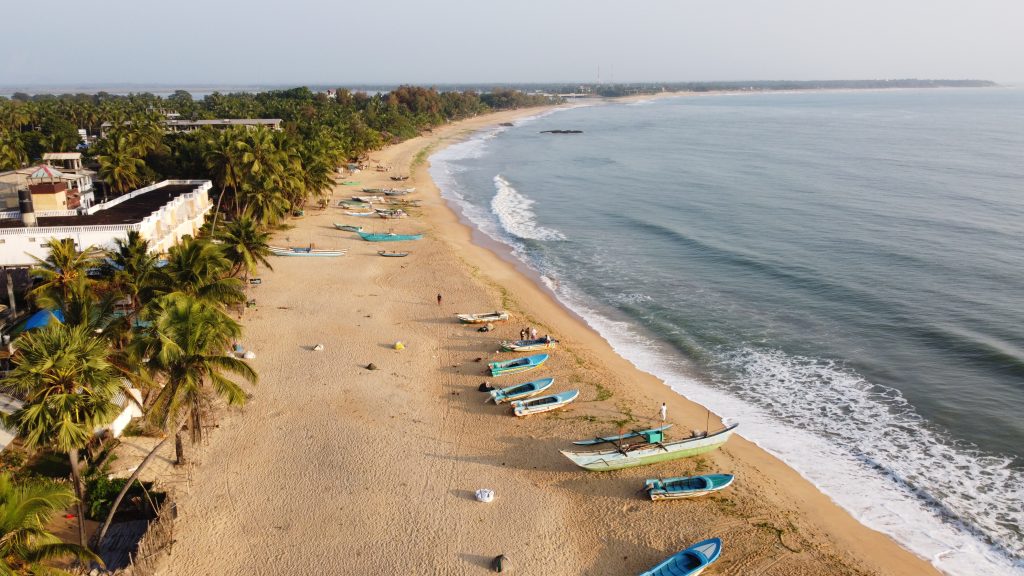
From Batticaloa the A4 runs south through Kalmunai and Akkaraipattu to Pottuvil, and Arugam Bay is about 4 km beyond it. Allow most of a morning with a driver. There is no railway south of Batticaloa, and recent visitors report that most buses stop in Pottuvil. From there, tuk-tuks cover the last stretch. In the late afternoon, walk to Muhudu Maha Vihara by the beach at Pottuvil, an ancient Buddhist temple site where tradition says Princess Viharamahadevi came ashore.
Day 7: surf
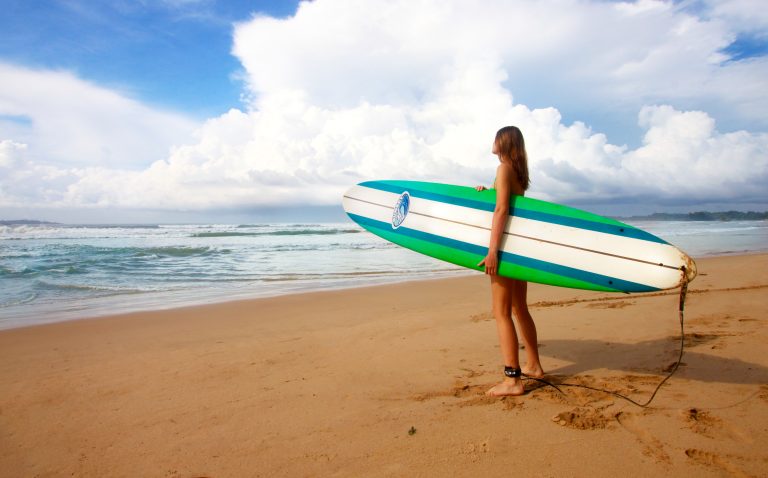
Sri Lanka Tourism names three point breaks: the point at Arugam Bay itself (Main Point to surfers), Pottuvil Point and Crocodile Rock. Recent visitors report that you can hire boards almost everywhere, and that mainly beginners use Crocodile Rock, also called Elephant Rock. If you have never surfed, book a lesson rather than paddling out alone. Sri Lanka Tourism warns that the waves can be too strong for beginners. For the lagoon, recent visitors (2025) report two-hour boat trips on Pottuvil Lagoon with local fishermen, with birds, crocodiles and sometimes elephants. The boats have no shade, so go in the late afternoon.
Day 8: Kumana or Lahugala
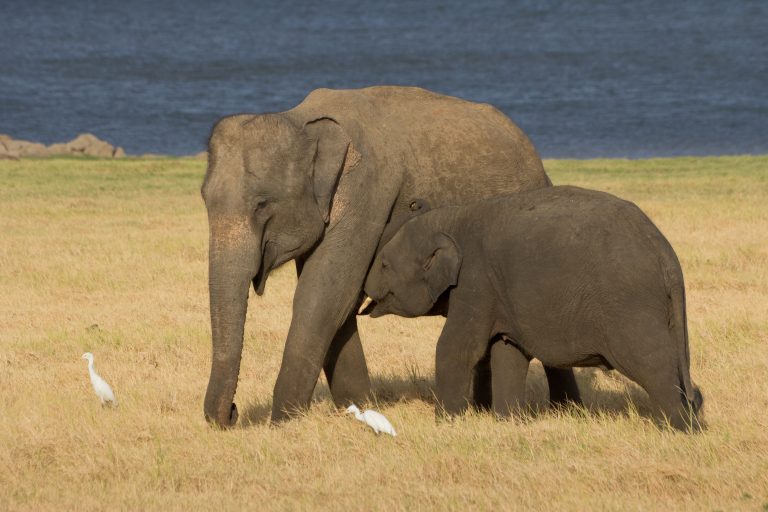
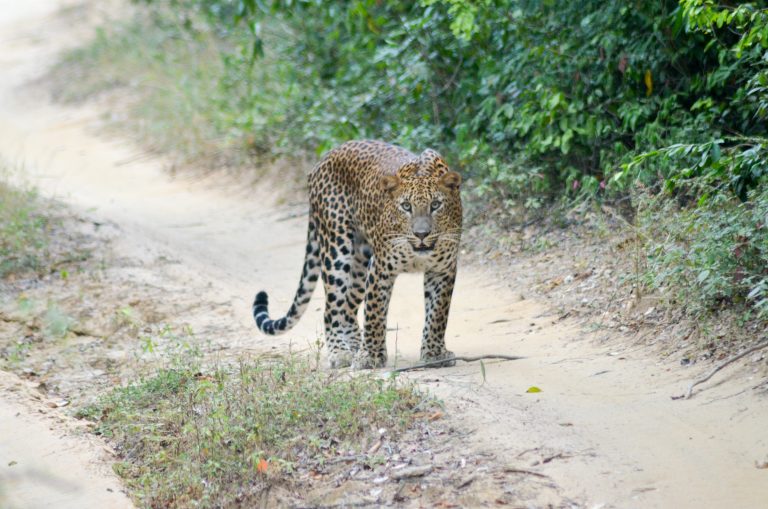
Kumana National Park, next to Yala, is the safari for birdwatchers. Large flocks of waterbirds nest in the Kumana villu, its mangrove swamp, from about April to July. Drive south through Panama to the Department of Wildlife Conservation office at Okanda, where you buy permits and a park guide joins each vehicle. Recent visitors describe a rough, bumpy approach road and no restaurants inside, so bring food and water. For elephants closer to town, Lahugala Kitulana National Park, inland from Pottuvil, draws elephants that gather to feed on the grass around its tanks. In either park, stay in the vehicle.
Day 9: moving on
To the hills. The A4 runs inland through Monaragala to Wellawaya, where the A23 climbs to Ella. Recent visitors report three to four and a half hours by car. By bus, change at Wellawaya. From there our two-day Ella itinerary picks up the story.
To Colombo. It is a long day on the road across the island. Recent visitors report about seven hours by taxi, and overnight buses run between Pottuvil and Colombo. If your flight is the next day, consider breaking the journey.
Staying safe and respecting local rules
- Travel advice. In October 2024 several governments warned of a threat to tourist spots in Arugam Bay; the US Embassy lifted its restriction on 13 November 2024. The UK’s advice does not single out Arugam Bay but says attacks in Sri Lanka cannot be ruled out. So check your own government’s advice before you go.
- Landmines. The UK government’s advice says some former military and police sites in the east are still marked as minefields. So stay on roads and cleared paths, and take warning signs seriously.
- The sea. Many beaches have dangerous surf or rip currents at certain times of year. Ask at your guesthouse before swimming, and heed local warnings.
- Dress and temples. Recent visitors describe Batticaloa and the other towns as more conservative than the beach resorts, so cover up away from the beach, and take your shoes off at temples.
Getting around
A car and driver is the easiest way to link the three bases, because no train runs along the coast. Instead, the railway reaches Trincomalee and Batticaloa on separate lines from the west. Buses connect the towns, and tuk-tuks cover short trips to beaches, temples and boat jetties. Either way, agree tuk-tuk fares before you set off.
Shorter or longer
Five or six days: choose two bases, not three. Trincomalee and Pasikuda work well for snorkelling and calm water, while Arugam Bay alone is enough for a surf week.
Two weeks: add the ancient cities first. Sigiriya, Dambulla and Polonnaruwa are only a few hours inland from Trincomalee, and Arugam Bay leads naturally on to the hill country. Our guide to how many days you need in Sri Lanka shows how the regions fit together.
Our 21-day itinerary shows how the east coast fits into a three-week round trip in these months, and the wildlife safari itinerary pairs it with the elephant parks.
Frequently asked questions (FAQs)
When is the best time to visit Sri Lanka’s east coast?
From about May to September, the dry season on this coast. Most rain falls from about October to January, when operators often cancel boat trips and many places in Arugam Bay close.
How many days do you need on the east coast?
About nine days covers Trincomalee, Pasikuda and Arugam Bay with two or three nights in each. With five or six days, pick two of them.
How do you get to Trincomalee from Colombo?
By train from Colombo Fort, with the overnight Night Mail taking around eight hours, by road, or on Cinnamon Air’s scheduled flights to China Bay.
Is Pigeon Island open all year?
No. The Department of Wildlife Conservation closes it when the sea is too rough to cross, typically during the north-east monsoon. You need a park permit on top of the boat fare.
When is the surf season at Arugam Bay?
From April to October, according to Sri Lanka Tourism. Recent visitors report that most hotels and restaurants close from November to March.
Can you take the train to Arugam Bay?
No. The nearest railway ends at Batticaloa; from there, travel south by road along the A4 to Pottuvil and Arugam Bay.
Header photo: AntanO / Wikimedia Commons, CC BY-SA 4.0.