Check before you travel Hill-country railway: repairs after Cyclone Ditwah Checked 19 October 2026
Cyclone Ditwah damaged the hill-country railway in November 2025, and it is reopening in stages. Since 2 October 2026, trains run again from Colombo Fort to Peradeniya and Gampola, but Kandy station itself is not served yet. Earth slips near Kadigamuwa have blocked the line more than once since then, most recently early on 17 October 2026, when trains towards Gampola and Colombo Fort were delayed; expect delays or short suspensions after heavy rain. Trains between Nanu Oya and Badulla, which stop at Haputale, Ella and Demodara, restarted on 20 June 2026. The section between Gampola and Nanu Oya is still under repair, so you cannot yet go by train from Colombo or Kandy all the way to Ella. Check the latest services before you plan a rail journey, and book reserved seats on the Sri Lanka Railways seat reservation site.
Kandy and Nuwara Eliya are both in Central Province and both on most first trips. Yet they feel like different countries. Kandy is a warm, busy city around a lake, the last royal capital and home of the Temple of the Sacred Tooth Relic. Nuwara Eliya sits 1,868 m up in the tea country, cool all year, with colonial buildings, a lake for boating and Horton Plains on the doorstep.
The quick answer: Kandy for temples, history and city life; Nuwara Eliya for cool air, tea estates and walks. If you’re travelling between the Cultural Triangle and the hills, you’ll probably pass through both.
Kandy: the royal city
Kandy was the capital of the Sinhala kings until the British took control in 1815. UNESCO lists it as the Sacred City of Kandy. Its heart is the Temple of the Sacred Tooth Relic, beside the lake, open daily from 5.30 am to 8 pm. Behind it, the forest of Udawattakele has been a sanctuary since 1938. The Royal Botanic Gardens at Peradeniya, founded in 1821, are about 5.5 km away on the Colombo road.
It’s a real city, so expect traffic, shops and noise as well as temples. In July or August it hosts the Esala Perahera, the island’s great festival of night processions; in 2026 it ran from 18 to 28 August. In the evenings you can catch a Kandyan dance show.
Nuwara Eliya: cool air and tea
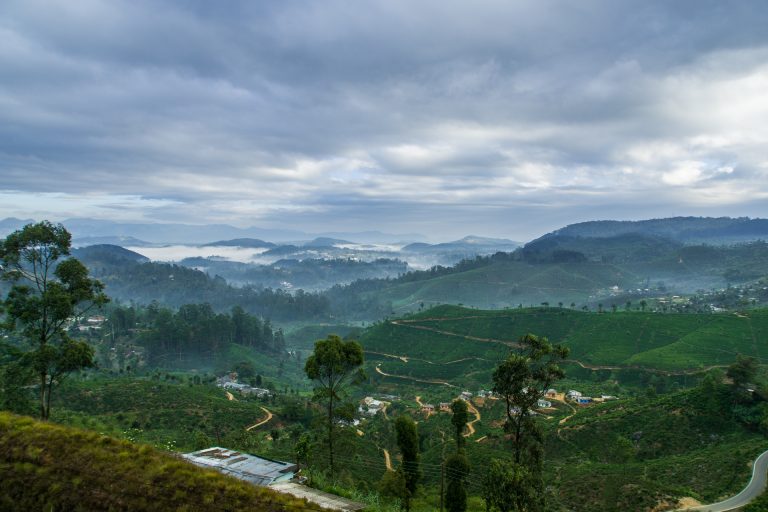
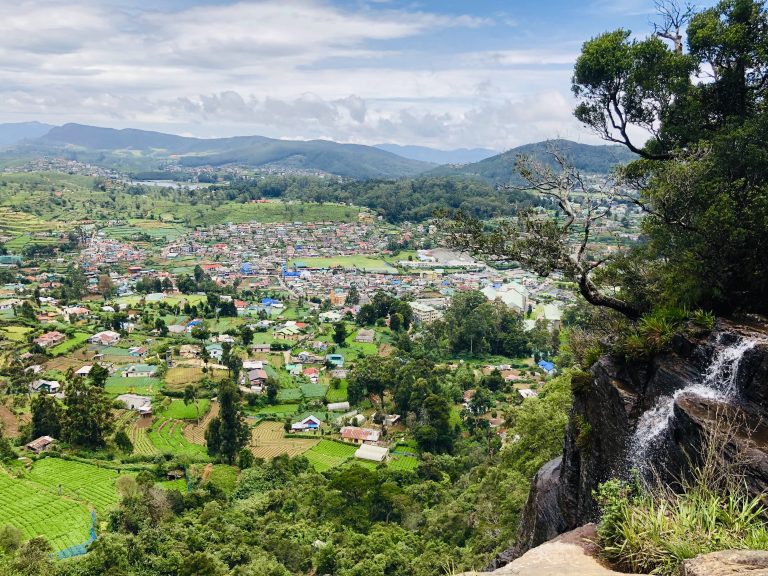
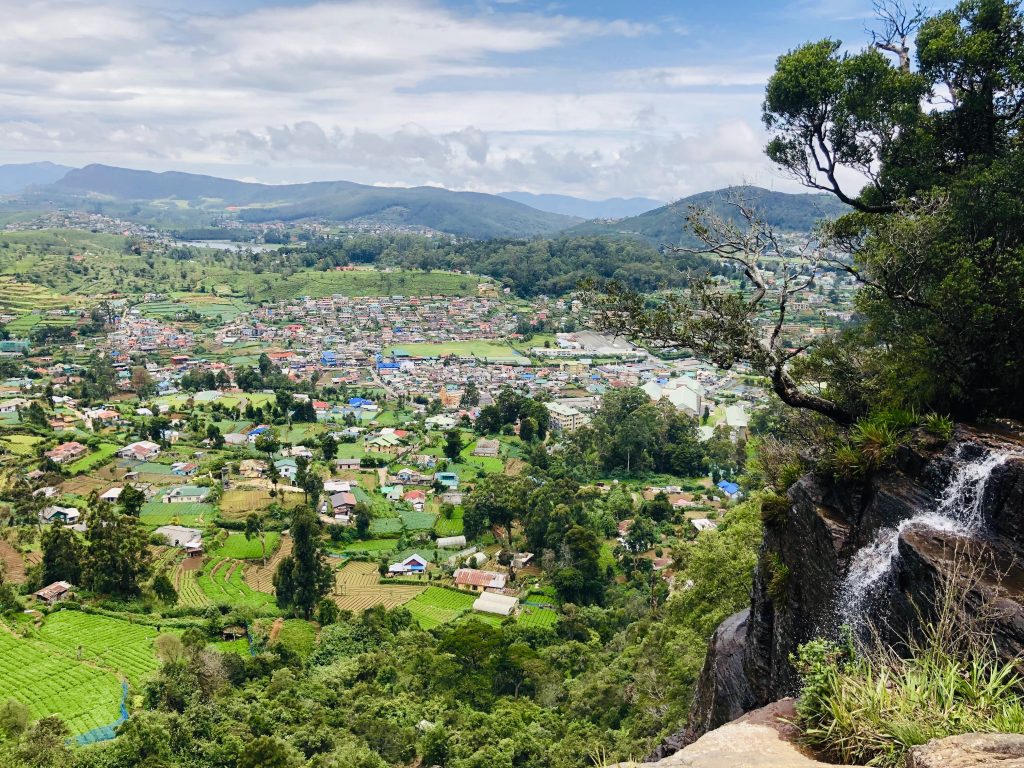
Nuwara Eliya was founded in 1846 and developed by the British as a cool-climate retreat, which earned it the nickname “Little England”. Sri Lanka Tourism calls it the most important tea production hub in the country. In town there’s Gregory Lake, Victoria Park and a row of colonial buildings, from the Grand Hotel to the red-brick post office.
The best of it is around the town: Horton Plains National Park with World’s End and Baker’s Falls, the roses of Hakgala Botanic Gardens, and tea factories such as Pedro Estate. Pack a warm layer: it’s cool all year, and Sri Lanka Tourism says rain is usually highest in October and lowest in March.
Side by side
- Climate: Kandy is warm; Nuwara Eliya is cool, cold at night, with ground frost on a few nights in January and February.
- Culture and history: Kandy, by a long way.
- Nature and walks: Nuwara Eliya, for Horton Plains and the tea estates. Kandy has Udawattakele and the botanic gardens.
- Festivals: Kandy’s Esala Perahera in July or August; Nuwara Eliya’s busy season peaks in April, around the Sinhala and Tamil New Year, with racing, golf and a flower show.
- Feel: Kandy is a busy city; Nuwara Eliya is a town built for holidays, busiest in April.
Getting there and between them
The A5 runs from Kandy to Nuwara Eliya via Gampola. By train, Nuwara Eliya’s station is Nanu Oya, a short drive from town. The hill-country railway is still being repaired in places after Cyclone Ditwah. Trains don’t yet run into Kandy itself, so check the travel update at the top of this page before planning a rail journey.
Which should you choose?
With only one night in the hills, pick by what you want from it: the Temple of the Tooth and a city evening, or a cold morning and a walk across Horton Plains. With three or four days, do both: Kandy first, then up into the tea country, and on along the line towards Ella. Our 4 days in the hill country itinerary follows that route. For the next choice, see Ella or Nuwara Eliya.
Frequently asked questions (FAQs)
Is Kandy or Nuwara Eliya better?
Kandy for temples, history and city life, Nuwara Eliya for cool air, tea country and Horton Plains. With three or four days in the hills, you can do both.
How far is Kandy from Nuwara Eliya?
They are linked by the A5 road through Gampola. Most travellers make the journey by road while the railway is being repaired.
Is Nuwara Eliya colder than Kandy?
Yes. Nuwara Eliya is 1,868 m above sea level and cool all year, with ground frost on a few nights in January and February. Kandy is warm.
When is the best time to visit Kandy?
Any time, but the Esala Perahera in July or August is the big event; in 2026 it ran from 18 to 28 August.
Can I visit Horton Plains from Kandy?
It’s a long day. Nuwara Eliya is the usual base, with road routes to the park via Ambewela and Pattipola.
Header photo: Philip Nalangan / Wikimedia Commons, CC BY 4.0.