

Most of the scams in Sri Lanka are old ones, and they run on good manners. A smiling man on the Galle Face promenade asks where you are from. A tuk-tuk driver offers a “special price” to a temple you didn’t ask about. A guide at a spice garden is so helpful that leaving without buying feels rude. Nobody pulls a knife; they just count on you not wanting to make a fuss.
So the best defence is knowing the scripts in advance. This page goes through the ones recent visitors (2025–26) report most often, roughly in the order you’ll meet them on a trip, with what to say and what to do if one catches you anyway. For crime, road safety, the sea and wildlife, see our Sri Lanka travel safety guide; this one is only about being talked out of your money.
At the airport and before you fly
The first approach often comes before you reach the exit. Recent visitors report drivers walking up to new arrivals inside the terminal at Bandaranaike International Airport and offering rides at well above the going rate. You don’t need them. The official airport taxi has counters in the arrivals lobby with fixed fares by destination, the airport lists Uber and PickMe, and air-conditioned buses run to Colombo Fort and to Makumbura for the Southern Expressway. Our guide to arriving in Sri Lanka has the fares.
One scam starts at home. Sri Lanka’s Controller General of Immigration and Emigration has warned about websites that look official and charge far more than the real fee for the electronic travel authorisation (ETA). Apply only on the government’s own site, eta.gov.lk; our visa and ETA guide explains who pays what.
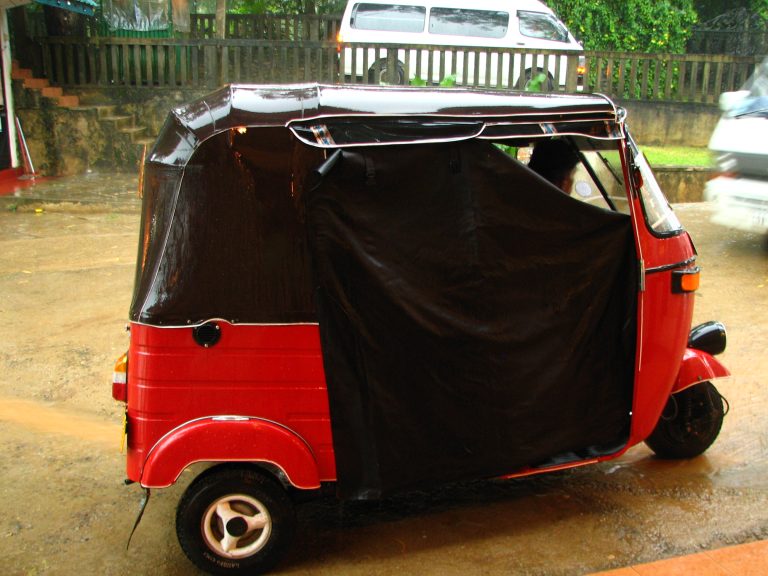
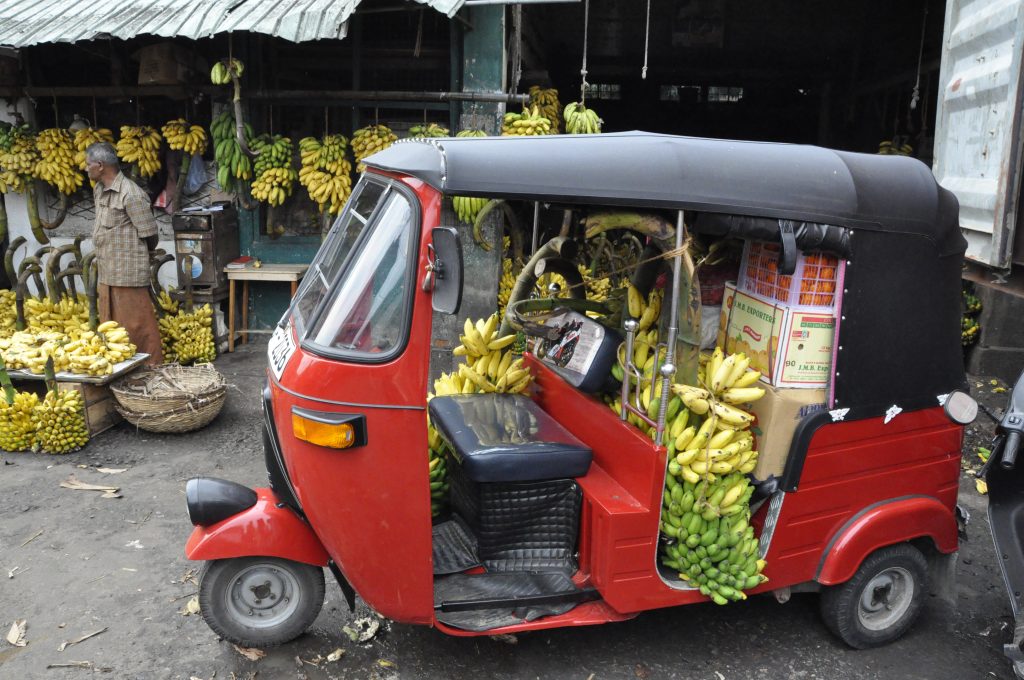
Tuk-tuks and drivers
This is where most complaints come from. The usual versions:
- The fare isn’t agreed, and the number at the end is far more than you expected.
- A low fare is agreed, and at the end the driver says it was per person, or one way only.
- The meter is “broken”, or “hidden”, and the price is decided when you arrive.
- The driver suggests a better place than the one you asked for. It turns out to be a gem shop or a spice garden that pays him commission.
The fix is simple, if a little dull. Use a ride-hailing app such as PickMe or Uber where it works: the price is shown before you book. Otherwise agree the fare before you get in, and ask “for the whole ride, both of us?” so there is no room for a per-person surprise. Canada’s travel advice says the same thing: agree the fare before you set off and carry small notes. That second part matters. The largest note is LKR 5,000 ($15 · convert), and drivers often say they have no change for it, which neatly rounds the fare up. Our guide to tuk-tuks and ride apps explains what a fair fare looks like.
The friendly stranger
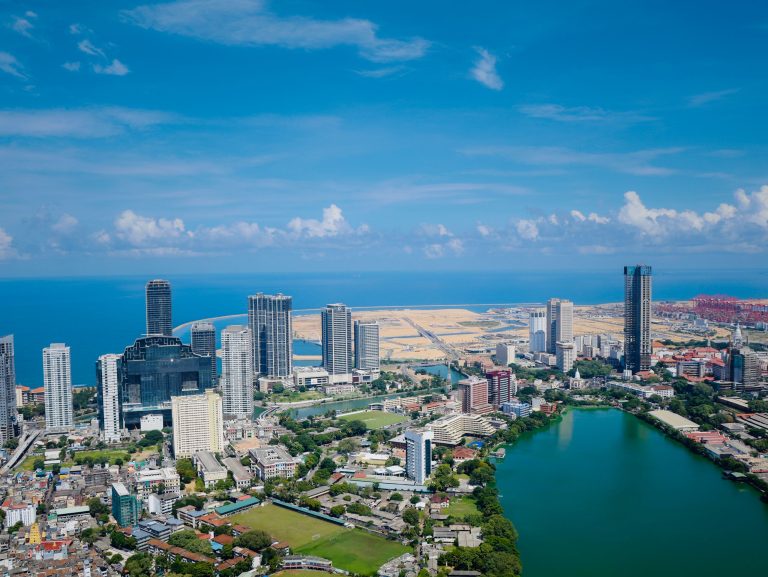
This one is common in Colombo, especially along Galle Face Green and Galle Road, and in Galle Fort. A well-dressed man strikes up a chat, asks where you are from and perhaps says he works at your hotel. By coincidence there is a festival at a temple today, or a gem sale that only happens once a year, and by another coincidence a tuk-tuk is waiting right there.
Recent visitors who went along describe the same ending: a shop, a hard sell and a tuk-tuk fare far higher than the trip deserved. Some name the shop. You can be polite and still say no. “Thank you, I have plans” works, and so does simply walking on. Real festivals don’t need recruiting on the street, and the festival and Poya calendar will tell you if there is one.
Gems
Sri Lanka really is a gem island, with its gem trade centred on Ratnapura, which is exactly what makes the gem pitch work. The classic version is the “export deal”: buy stones here and sell them at home for a big profit, and here is a receipt or a certificate to prove the value. Recent visitors who bought report glass, synthetic stones or real but poor stones at many times their worth, with paperwork that meant nothing.
If you want to buy a stone, do it because you like it, at a price you would be happy to pay with no resale in mind. Choose the shop yourself rather than being taken there. For anything costly, the government’s National Gem and Jewellery Authority offers gem testing and valuation for a fee, and its certificates can be checked online on its certificate verification site. A seller who won’t let a stone be tested before you pay has told you what you need to know.

Spice gardens, batik and tea “factories”
The road from Kandy to Matale and Dambulla is lined with spice gardens, and many drivers stop at one whether you ask or not. The tour itself is free and often quite interesting: cinnamon, cardamom, pepper, a bit about Ayurveda. Then comes the shop. Recent visitors describe oils and creams sold as cures, at prices they later found to be several times higher than in ordinary shops and supermarkets, and a guide who wouldn’t take no for an answer.
Enjoy the walk, tip the guide if you liked it, and buy spices at a supermarket or market, where the prices are on the label.

Temples and sights
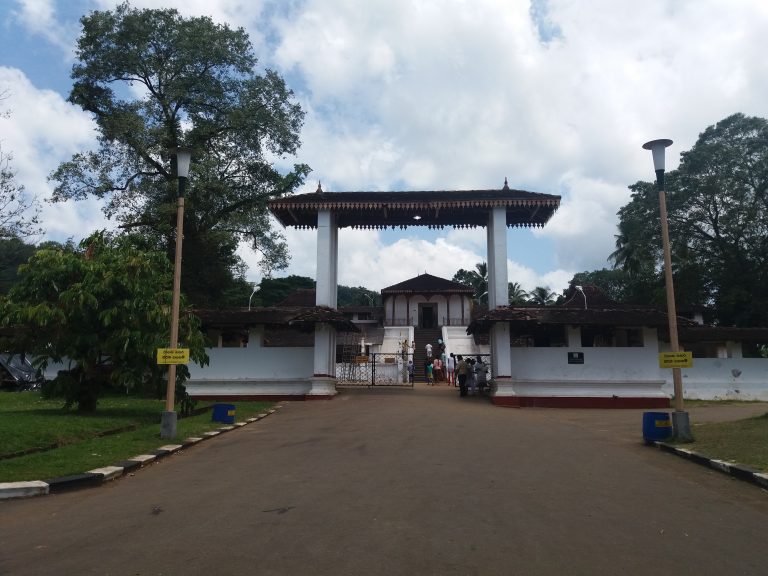
At busy temples and viewpoints, someone may tie a string round your wrist, press a lotus flower into your hand or start explaining the history, and then ask for money, sometimes naming a large sum. You didn’t hire them, so you don’t owe them. Hand the flower back with a smile if you don’t want it. Temples that charge entry sell tickets at a counter, and donations go in a box inside.
Self-appointed guides also work the walking routes. On Ella Rock, hikers regularly meet people who say they are on the wrong path and then ask for money to show them the “right” one. Download an offline map before you set off and trust it. If you want a guide, ask your guesthouse to arrange one.
Train tickets
Reserved seats on the scenic hill-country trains sell out, and resold or fake tickets appear around the stations and online. Buy reserved seats only on the Sri Lanka Railways seat reservation site or at a station counter, and see our guide to booking train tickets yourself, through an agent or with a driver for the choices when seats are gone.
Money, cards and messages
- Changing money. Use a bank, an ATM or a licensed money changer, never someone on the street, and count your notes at the counter. Keep the receipts; you need them to change rupees back. Our money guide has the details.
- Cards. The UK Foreign Office says bank card fraud is common in Sri Lanka. Use ATMs inside banks or hotels, cover the keypad, and keep your card in sight when you pay.
- Messages. Canada’s travel advice warns that online scams are increasing, often starting with an unsolicited text or WhatsApp message, a dating profile or a job offer. Be wary of anyone who takes a sudden, strong interest in you online, and if you meet them, do it in a public place you know.
- Bookings. Pay for rooms, trips and transfers through the property’s own site or a booking platform with buyer protection, not by bank transfer to someone you met on social media.
If it happens to you
Don’t argue for long or let it turn into a scene. Pay what you agreed, or what is fair, and walk away. Then:
- Call 1912, the Sri Lanka Tourism hotline, from any phone network in the country. According to the tourism authority, it can put you through to the Tourist Police to make a complaint about harassment or poor service.
- In an emergency, call the police on 119.
- If your card was involved, call your bank straight away to block it.
- For anything you bought, keep the receipt and the shop’s name, and photograph any certificate. You will need them for a complaint or an insurance claim.
None of this should make you suspicious of every Sri Lankan who says hello. Most do it because they’re curious and friendly, and plenty of the best moments on a trip here start that way. The trick is noticing when a conversation starts steering you towards a shop.
Frequently asked questions (FAQs)
What is the most common scam in Sri Lanka?
Tuk-tuk overcharging, by a long way. Book through PickMe or Uber where they work, or agree the fare for the whole ride before you get in.
Are the gem shops in Sri Lanka a scam?
Not all of them, but the “buy here, sell at home for a profit” pitch is a well-known trick. Choose the shop yourself, and have an expensive stone tested by the National Gem and Jewellery Authority before you pay.
Is the friendly man on Galle Face Green a scam?
Not always, but if a chat turns into a festival, a gem sale or a temple that’s “only open today”, with a tuk-tuk conveniently waiting, it is a well-worn script. Say thank you and walk on.
Are spice garden tours in Sri Lanka worth it?
The free tour can be interesting, but recent visitors report high prices and pushy selling in the shop afterwards. Enjoy the walk and buy your spices in a supermarket.
How do I report a scam in Sri Lanka?
Call the Sri Lanka Tourism hotline on 1912 from any phone in the country. It can connect you to the Tourist Police. In an emergency, call the police on 119.
Where should I apply for a Sri Lanka ETA?
Only on the government’s own site, eta.gov.lk. Sri Lanka’s immigration department has warned about look-alike sites that charge far more than the real fee.
Header photo: Dan Koehl / Wikimedia Commons, CC BY 3.0.