Check before you travel Hill-country railway: repairs after Cyclone Ditwah Checked 23 November 2026
Cyclone Ditwah damaged the hill-country railway in November 2025, and it is reopening in stages. Trains from Colombo Fort reached Peradeniya and Gampola again on 2 October 2026, but earth slips near Kadigamuwa station, between Rambukkana and Peradeniya, have blocked the line several times since. From 25 October 2026 the Department of Railways suspended all trains between Rambukkana and Peradeniya and Gampola until further notice, until repairs are finished and the line is confirmed safe; passengers with reserved seats on cancelled trains can claim a full refund at any railway station. Kandy station itself is not served yet. Trains between Nanu Oya and Badulla, which stop at Haputale, Ella and Demodara, restarted on 20 June 2026. The section between Gampola and Nanu Oya is still under repair, so you cannot yet go by train from Colombo or Kandy all the way to Ella. Check the latest services before you plan a rail journey, and book reserved seats on the Sri Lanka Railways seat reservation site.
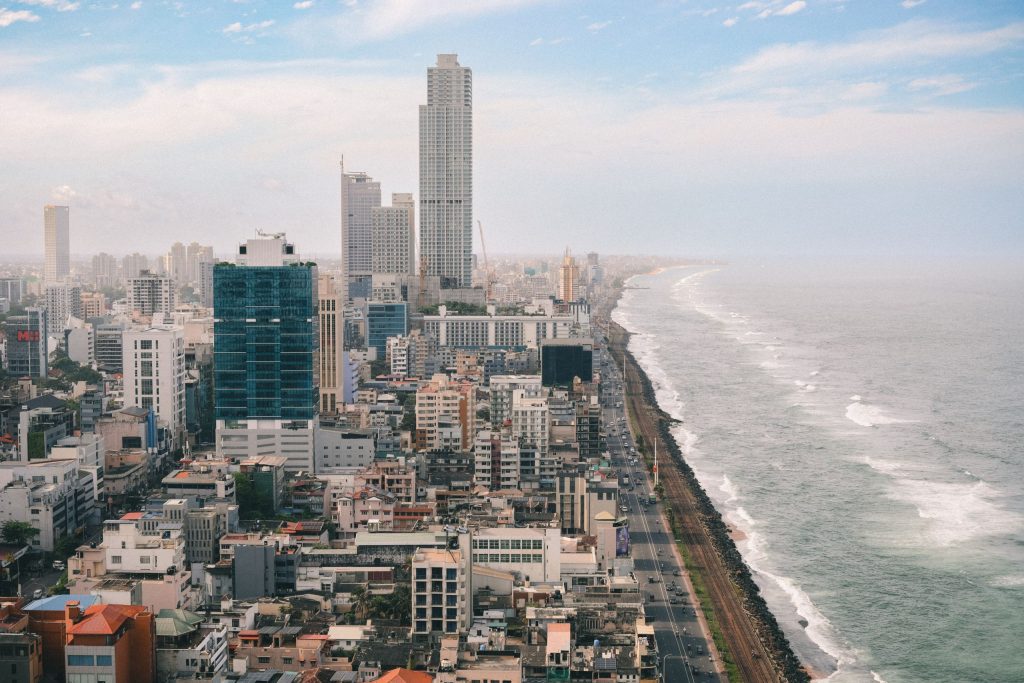
Colombo is Sri Lanka’s largest city and its commercial capital, a port on the west coast in the Western Province. Parliament sits in neighbouring Sri Jayewardenepura Kotte, the administrative capital, but Colombo remains the country’s business centre and the hub of its rail and bus networks.
Is Colombo for you?
Go if you want a day or two of temples, museums, markets and seafront sunsets at the start or end of a trip, or a base with direct trains along the coast and to the north.
Think twice if you are looking for quiet or a beach holiday: Colombo is hot all year, and Sri Lanka Tourism itself mentions its congested roads.
Colombo’s main areas
The city is divided into numbered postal districts, Colombo 1 to Colombo 15, and many addresses use them. The areas visitors use most are:
- Fort (Colombo 1): the central business and financial district, named after the colonial fort whose walls were pulled down in the 19th century. The Old Parliament building here is now the Presidential Secretariat.
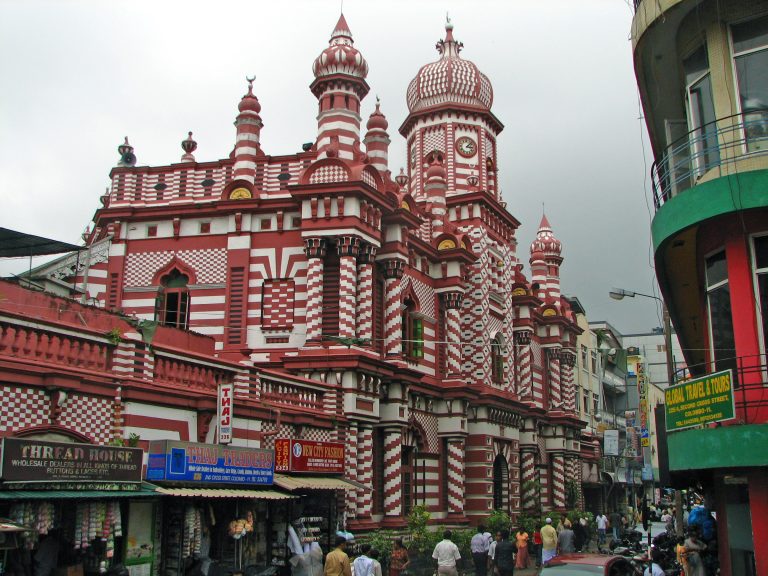
- Pettah (Colombo 11): the crowded market district just east of the Fort, next to Colombo Fort railway station; its Sinhala name, Pitakotuwa, means “outer fort”. See our guide to Pettah Market.
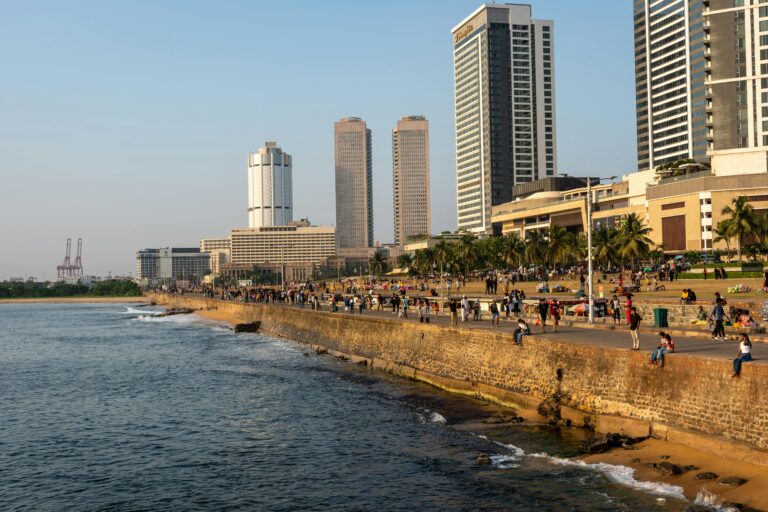
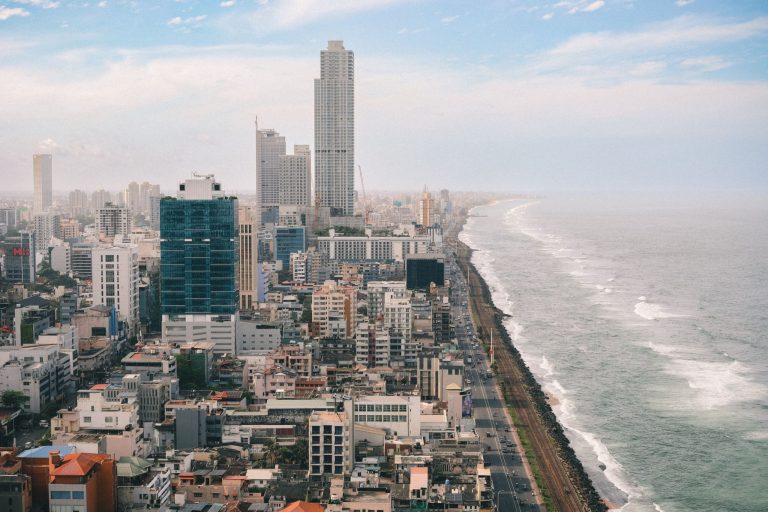
- Galle Face: the seafront along the edge of the Fort, where Galle Face Green, a 5-hectare strip of open ground between Galle Road and the Indian Ocean, is popular with residents and visitors alike.
- Kollupitiya (Colombo 3): a commercial district along Galle Road with shopping malls and several embassies.
- Cinnamon Gardens (Colombo 7): a leafy district named after a former cinnamon plantation, home to the National Museum, Viharamahadevi Park, Independence Memorial Hall and many embassies.
- Mount Lavinia: a seaside suburb south of the city, in the Dehiwala-Mount Lavinia municipality, with a beach lined with seafood restaurants.
What to see in Colombo
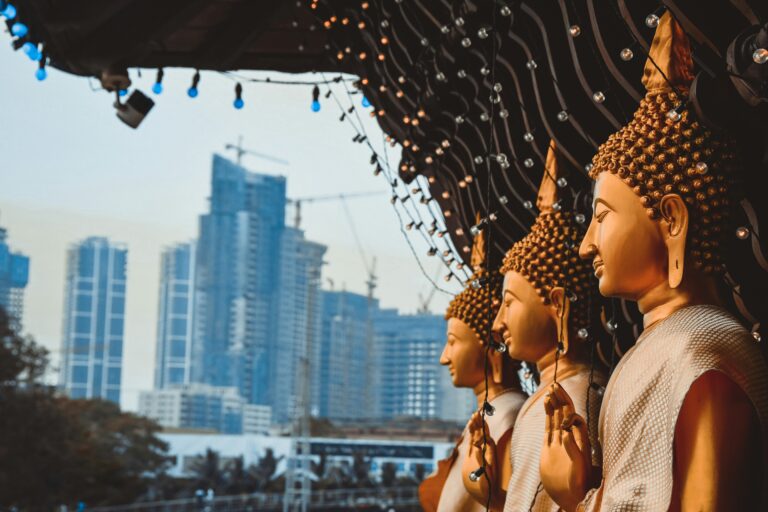
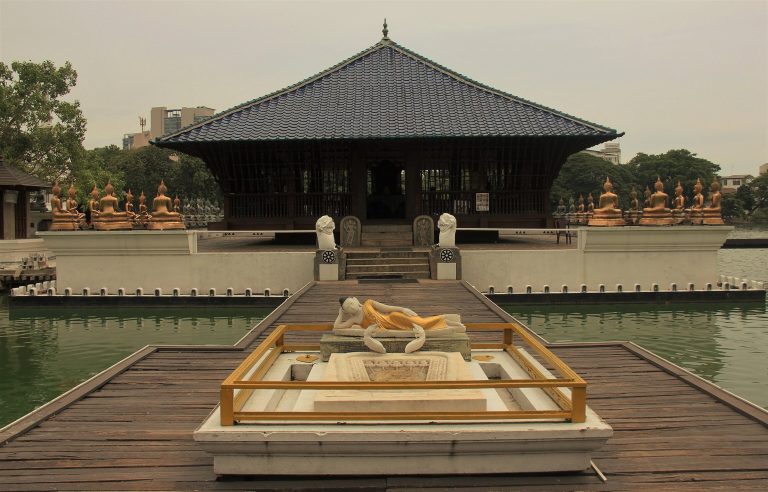
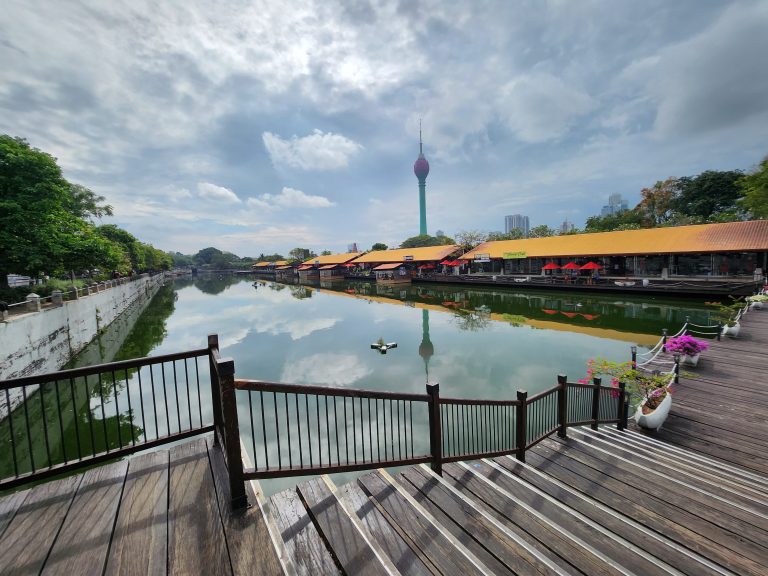
- Gangaramaya Temple: one of the city’s most important Buddhist temples, near Beira Lake, with brass work, stone carvings and its own museum. Its Seema Malaka assembly hall stands on the lake itself.
- Colombo National Museum: Sri Lanka’s oldest museum, opened in 1877 in Colombo 7, with collections tracing the island’s history. Like all the national museums, it closes on Mondays.
- Viharamahadevi Park: the city’s oldest and largest park, formerly Victoria Park, in front of the colonial-era Town Hall and next to the museum. For a day that costs very little, see free things to do in Colombo.
- Independence Memorial Hall: the national monument on Independence Square, built to mark independence from British rule on 4 February 1948.
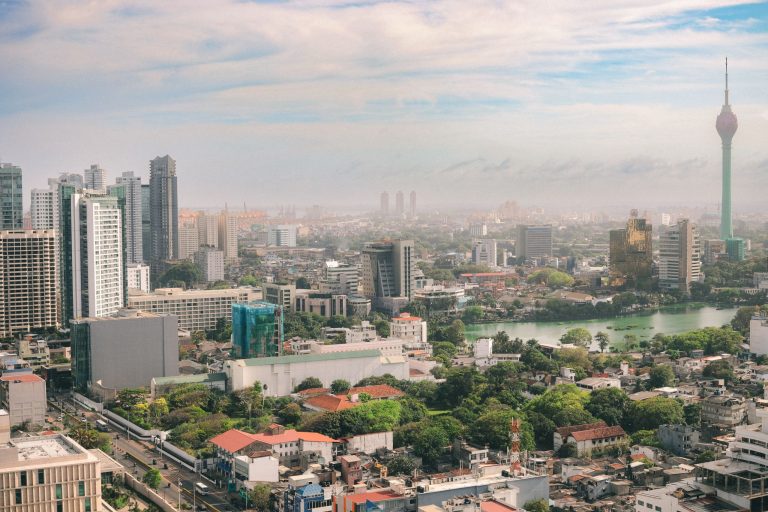
- Lotus Tower: the lotus-shaped telecommunications tower beside Beira Lake, open to the public since September 2022, with an observation deck high above the city.

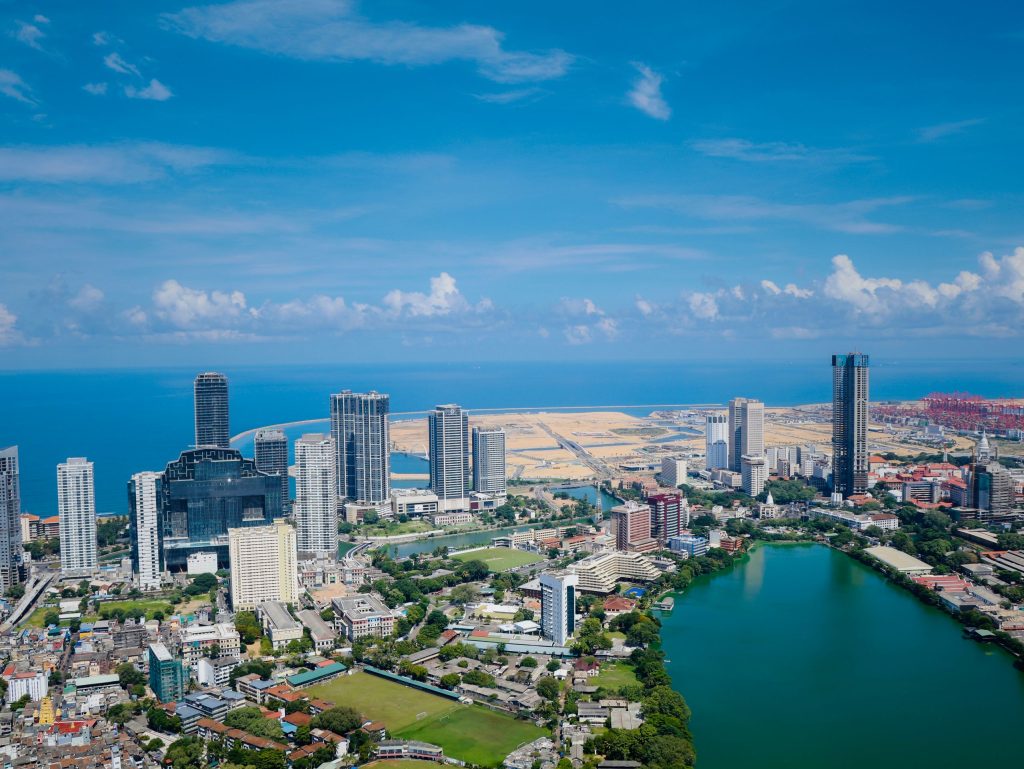
Beside Galle Face Green, Port City Colombo is a new district being built on 269 hectares of land reclaimed from the sea, planned as an extension of the central business district. Much of it is still under construction.
On the edge of the city, at Thalawathugoda in Sri Jayewardenepura Kotte, Diyasaru Park is a wetland park of boardwalks and a bird-watching tower, at its best early in the morning.
Getting there and around
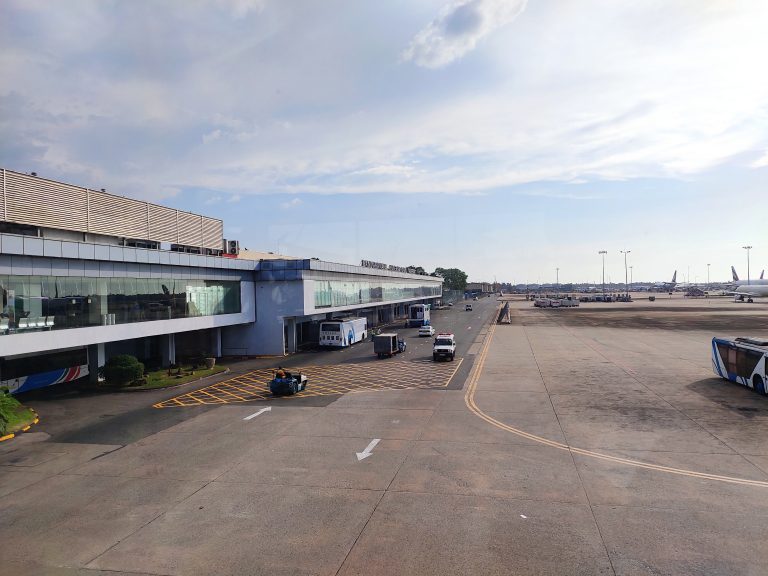
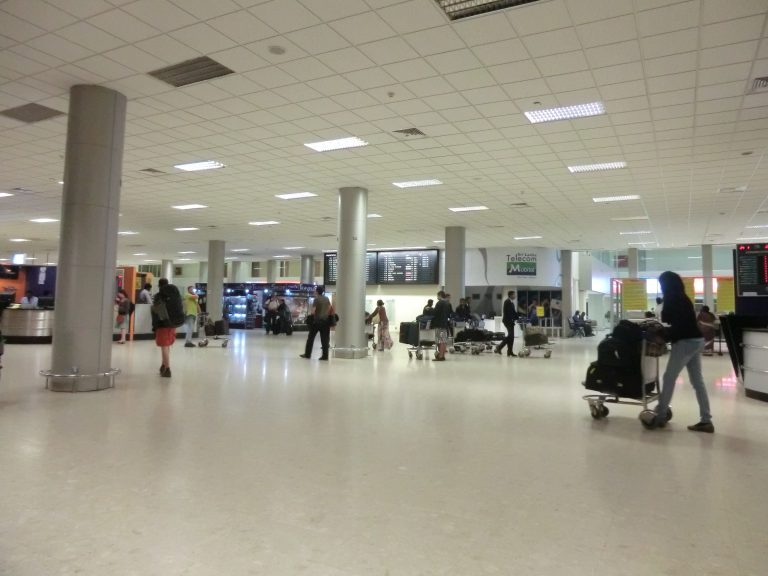
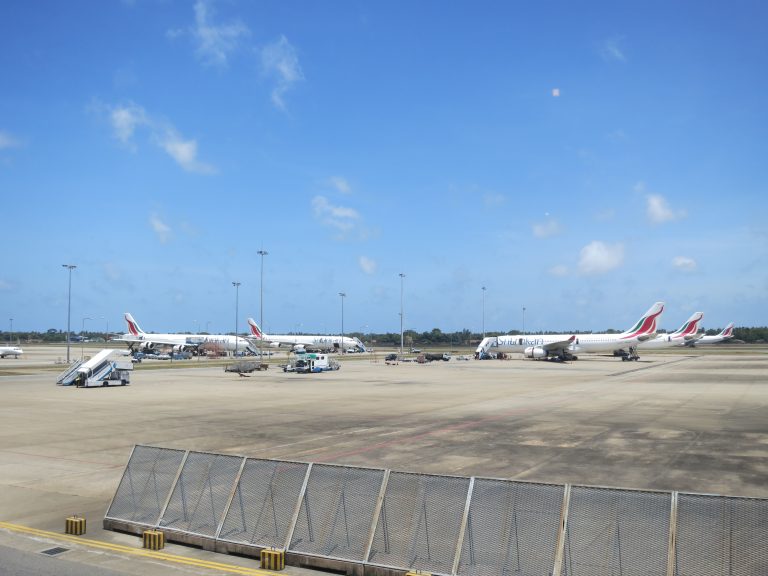
- By air: Bandaranaike International Airport, the country’s main international airport, is at Katunayake, north of Colombo near Negombo. The Colombo–Katunayake Expressway links it with the city. For a first or last night close to the airport, consider Negombo. With a spare day, see day trips from Colombo. Choosing between a few days here and in Galle? See Colombo or Galle.
- By train: Colombo Fort is the main station of the rail network. Trains run south along the Coastal Line towards Kalutara, Bentota, Galle and Matara, and north on the Northern Line to Jaffna and Kankesanturai, which reopened on 9 April 2026 after cyclone repairs. The Main Line to Kandy and the hill country is reopening in stages after Cyclone Ditwah; the travel update at the top of this page shows how far trains run. Check timetables and book seats on the Sri Lanka Railways seat reservation site.
- By bus: the main bus stations are in Pettah, next to the Fort station; the Central Bus Stand reopened after renovation in April 2026.
- Tuk-tuks and taxis: you can book taxis through local and international taxi apps. With a tuk-tuk, agree the price before you set off or choose one with a working meter, as the UK government advises.
When to visit
Colombo is hot throughout the year. The south-west monsoon, from May to September, brings most of its rain to the south-west of the island, including Colombo. October and November, the inter-monsoon period, bring widespread rain and are the wettest time of year for the island as a whole. During the north-east monsoon, from December to February, the rain falls mainly over the eastern half of the island.
Staying safe
- Bags and valuables: the UK government reports an increase in low-level opportunistic crime. Thieves on motorbikes may snatch bags, so carry yours on the side away from the road, and watch your belongings on trains, where there have been thefts and pickpocketing.
- Card fraud: bank card fraud is common. Use ATMs inside banks or hotels where possible and keep your card in sight when paying.
- Crowded places: women report harassment, most often in crowded places such as markets, bus and railway stations and tourist sites.
- The sea: many beaches have dangerous surf or rip currents at certain times of year. Ask locally before swimming at Mount Lavinia or elsewhere, and heed local warnings.
Frequently asked questions (FAQs)
Is Colombo the capital of Sri Lanka?
Colombo is the commercial capital and the largest city. Parliament sits in neighbouring Sri Jayewardenepura Kotte, the administrative capital.
Where is the airport?
Bandaranaike International Airport is at Katunayake, north of Colombo near Negombo, and the Colombo–Katunayake Expressway links it with the city.
Can I take the train from Colombo to Kandy?
Not all the way yet: the Main Line is reopening in stages after Cyclone Ditwah, and the travel update at the top of this page shows how far trains run.
When is the rainy season in Colombo?
Most rain falls in the south-west monsoon, from May to September. October and November also bring widespread rain across the island.
Is the Colombo National Museum open on Mondays?
No. Like all of Sri Lanka’s national museums, it is closed on Mondays.
Header photo: Mohamed Ansaf / Pexels.