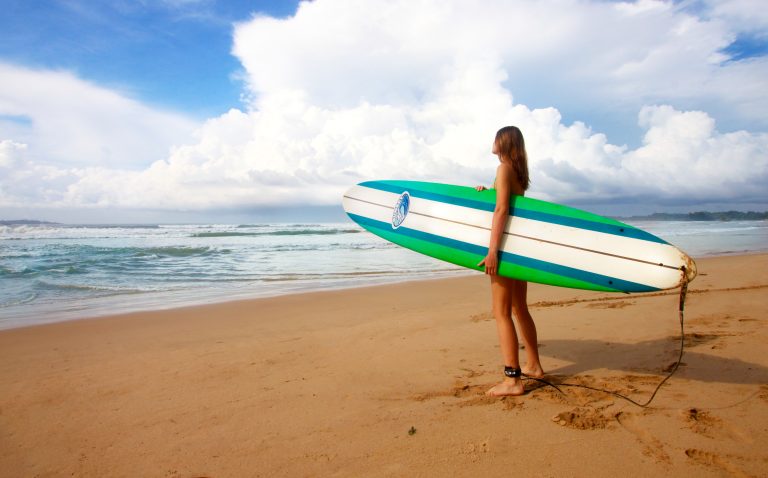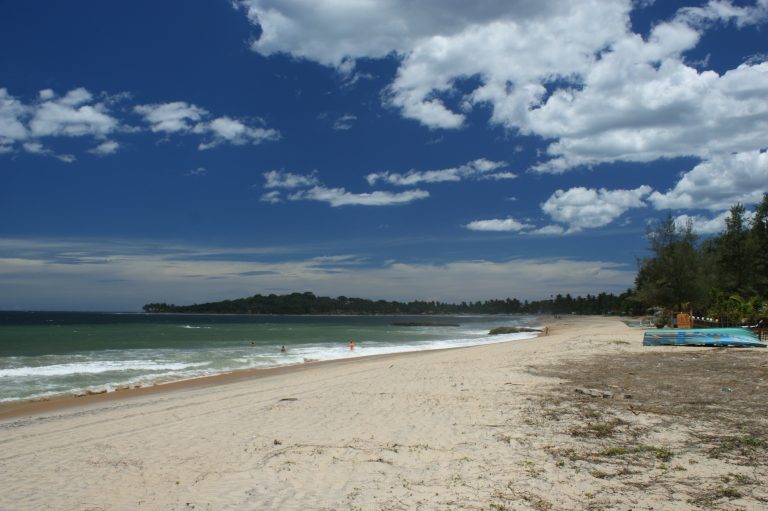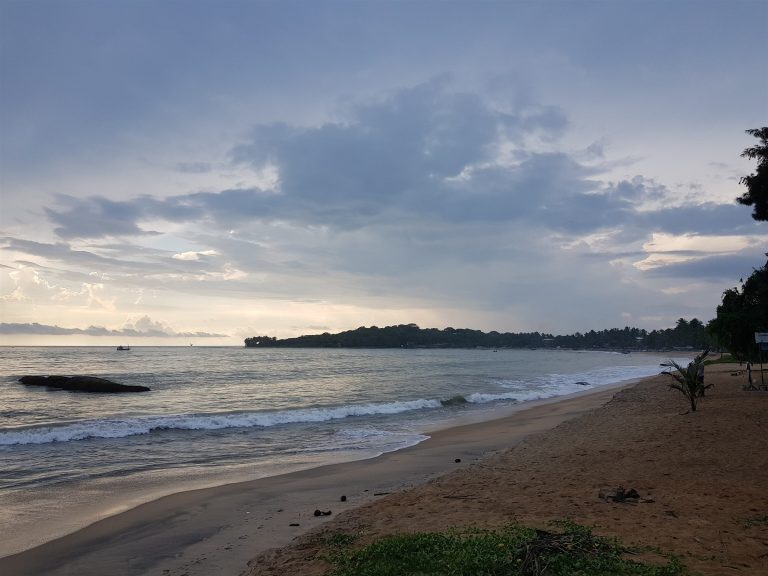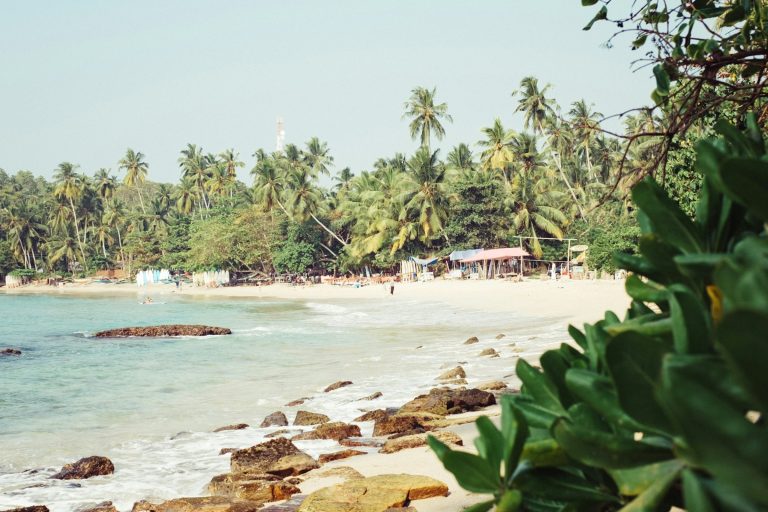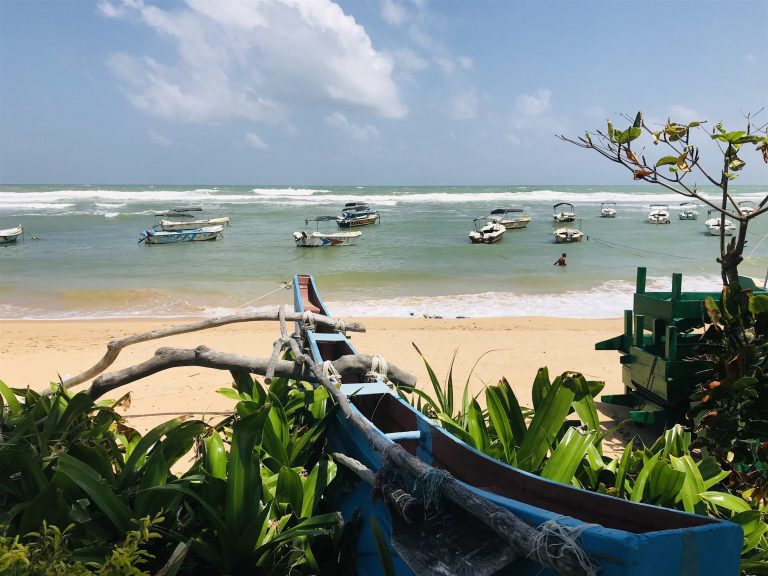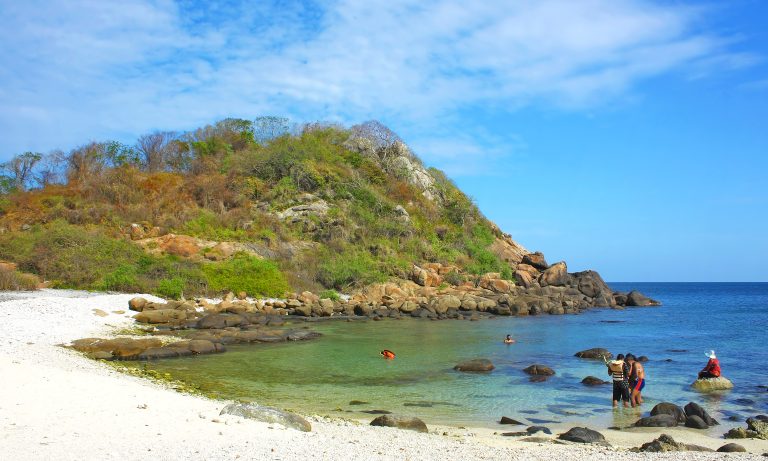
Weligama is a town on Sri Lanka’s south coast in Matara District, on a wide sandy bay between Ahangama and Mirissa. Its bay is a popular place to learn to surf, and a small private island, Taprobane, also sits just off the beach.
Is Weligama for you?
Go if you want to learn to surf, or want a base on the coast road and railway between Galle and Matara.
Think twice if you expect calm water all year, because the sea gets rough in the south-west monsoon (May to September). Also, two visitors died in the sea at Weligama in 2026 (see Safety in the water).
Surfing
Weligama is one of Sri Lanka’s popular surf spots. Recent visitors (2025–26) describe the main bay as a sandy-bottomed beach break with small, slow waves suited to beginners. Surf schools and board-rental stands line the beach, and the main season runs from about November to April, they say. There is no official list of surf schools or lesson prices, so agree the price, the length of the lesson and the number of students per instructor before you start. Our guide to learning to surf in Weligama covers choosing a school, hiring a board and reading the crowds and currents.
Taprobane Island
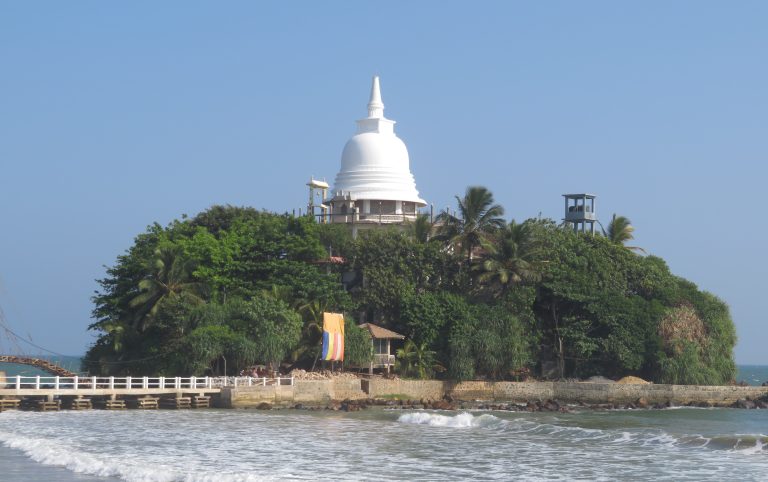
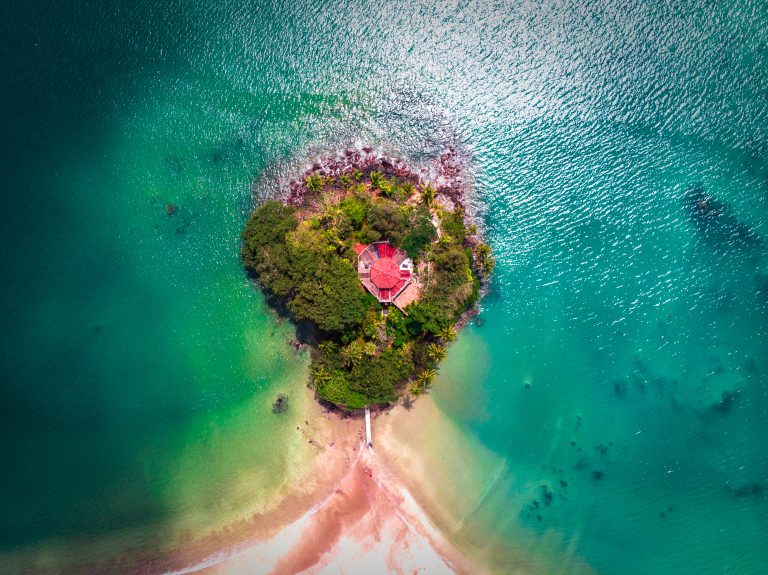
The rocky islet off the beach was once called Galduwa. Maurice Talvande, a Frenchman who styled himself Count de Mauny, found the island around 1925 and made it his home: he renamed it Taprobane, an ancient Greek name for Sri Lanka, and built the villa and gardens. Later, the American writer and composer Paul Bowles bought the island in 1952 and then sold it in 1957.
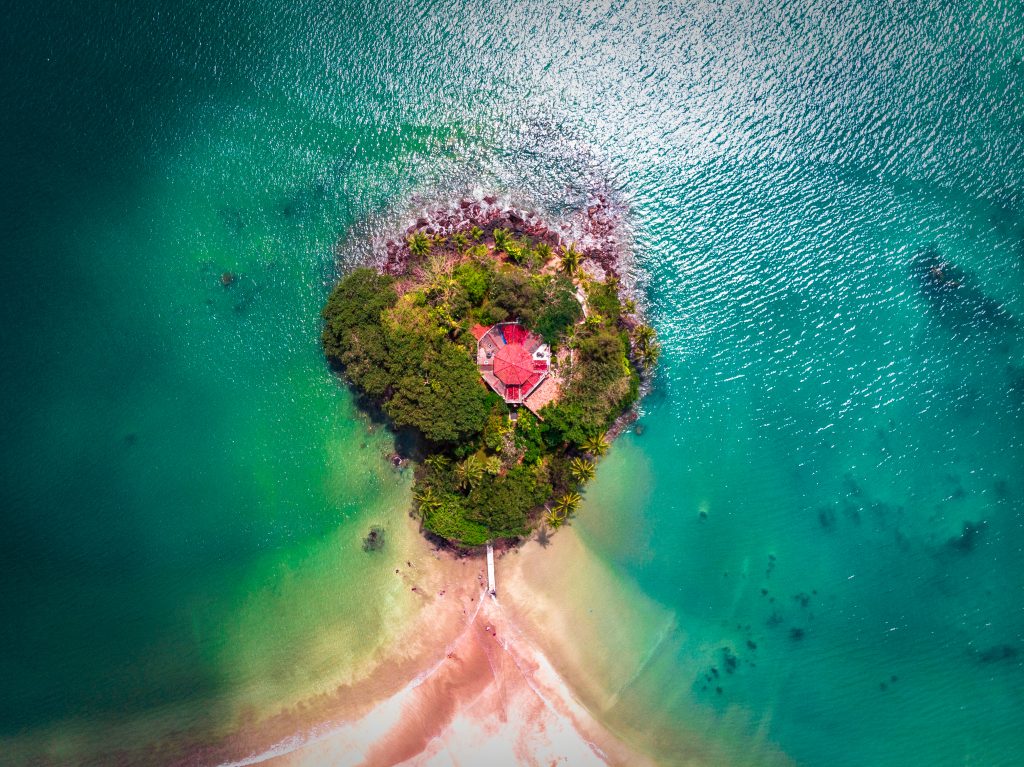
Taprobane is still in private hands, and its owners rent it out as a villa. So you can see it from the beach but cannot go inside unless you are staying there. However, recent visitors (2026) report that people wade out to the foot of the island at low tide.
Kusta Raja Gala
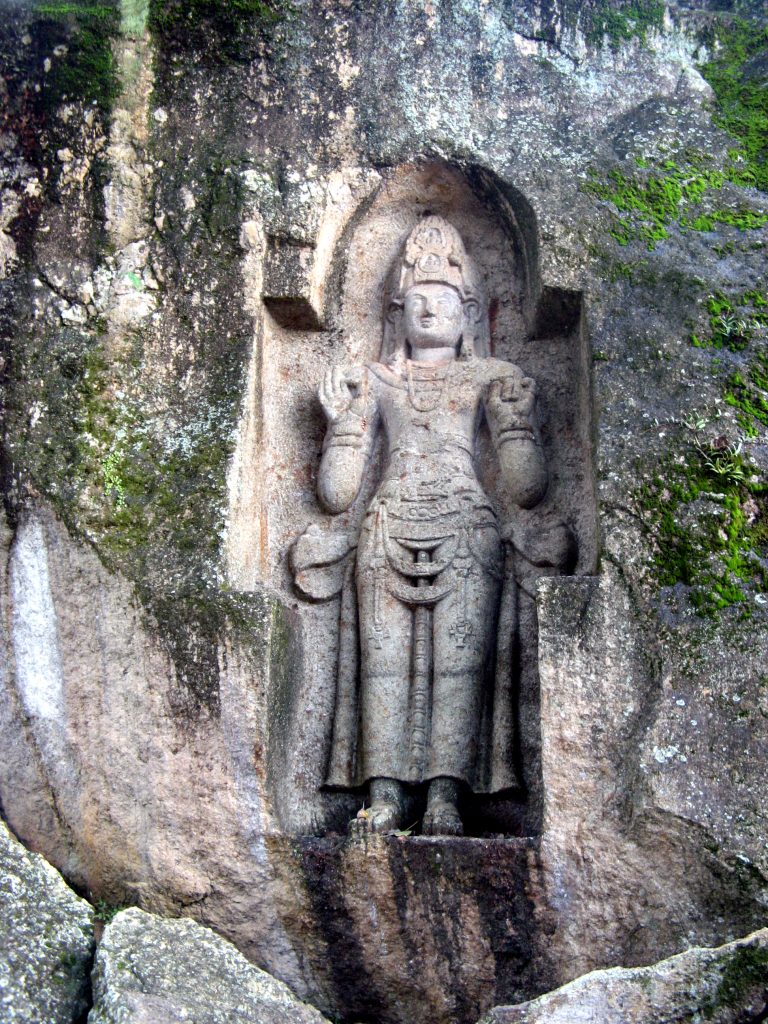
In the town, people call a standing figure carved into a niche in the rock Kusta Raja Gala, “the rock of the leper king”. Local legend says a vision told a king with a skin disease to live on coconut for three months. The cure worked, and he had his figure carved to mark it. Scholars identify the figure as the Bodhisattva Avalokiteshvara, though their proposed dates range from the 6th to the 9th century.
Stilt fishermen
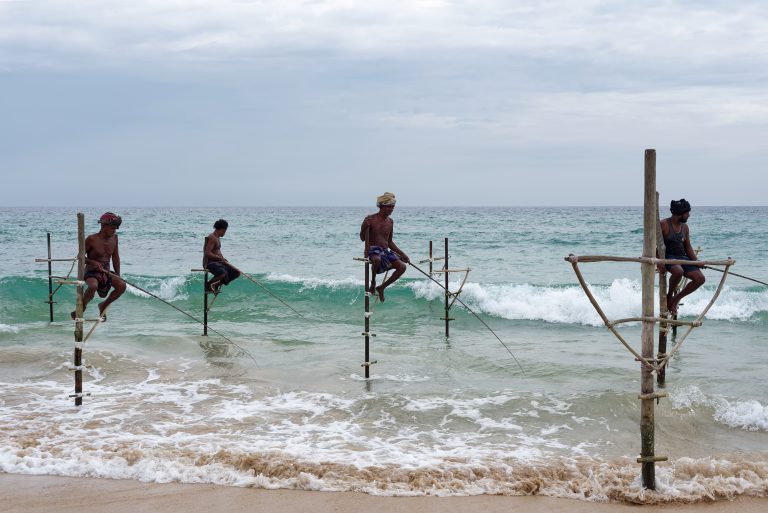
Stilt fishing, with fishermen perched on a cross-bar tied to a single pole set in shallow water, belongs to this stretch of coast, including Weligama. Much of what visitors see today is for show: along the coast at Koggala, the Sunday Times found in February 2025 that the stilts stood almost on the beach, with no fish to catch, and that the fishermen charged a foreign adult Rs 1,000 ($3.00 · convert) (a child Rs 500 ($1.50 · convert)) to be photographed on the stilts. So if you want a picture, agree the price first. See our guide to the stilt fishermen for more.
Safety in the water
Gentle waves do not mean the sea is always safe. On 8 August 2026 a 21-year-old Tunisian visitor surfing at Parana Kade beach in Weligama was caught in a strong current in rough seas and died. Earlier, on 25 February 2026, a 76-year-old Australian drowned while swimming off Pelena, Weligama. So learn with an instructor, stay within your depth, and heed lifeguards and local warnings, especially during the south-west monsoon (May to September).
Getting there
- By train: Weligama has a station on the coastal line from Colombo via Galle. You can book reserved seats on the official Sri Lanka Railways booking site.
- By road: Weligama is on the A2 coast road. From Galle, the road passes Unawatuna, Koggala and Ahangama before reaching Weligama, and then continues to Matara.
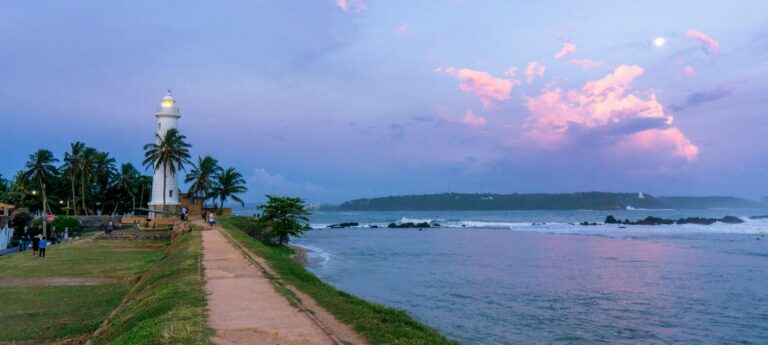
Weligama also makes an easy base for days along the coast to Unawatuna, the lagoon at Koggala Lake or the fort at Galle. To compare it with Mirissa and Hiriketiya as a base, see Mirissa, Weligama or Hiriketiya.
Frequently asked questions (FAQs)
Is Weligama good for beginner surfers?
Recent visitors describe small, slow waves over a sandy bottom and plenty of surf schools. Currents can still be dangerous: a young surfer died at Weligama in August 2026.
Can you visit Taprobane Island?
Only as a guest. Its private owners rent it out as a villa, and you can see it from Weligama beach.
Who built the house on Taprobane?
Maurice Talvande, who called himself Count de Mauny; he found the island around 1925 and built its villa. Later, the writer Paul Bowles owned it from 1952 to 1957.
Are the stilt fishermen real?
Mostly not any more. In 2025 the Sunday Times found the stilts at Koggala standing almost on the beach, with fishermen charging visitors for photos.
How do I get to Weligama?
By train to Weligama station on the coastal line, or along the A2 coast road between Galle and Matara.
Header photo: calflier001 / Wikimedia Commons, CC BY-SA 2.0.