Three days is a good length for Kandy. One day covers the city itself: the Temple of the Tooth, the lake and an evening of drumming. The other two take you out to the botanic gardens, the tea museum and a loop of old country temples. There’s time for a morning walk in the hills too, without rushing any of it. This plan keeps the early mornings for walks and rituals and the hot middle of the day for shade.
Is three days right for you?
Go if you like temples, gardens and history, and want a base in the hills that isn’t all about hiking. Kandy also works well as a break between the Cultural Triangle and the tea country.
Think twice if you’re short of time. Kandy’s best-known sights fit into one full day. If the hills or the beach matter more, a single night here may be enough.
Before you go: getting to Kandy
Cyclone Ditwah cut the railway into Kandy in November 2025, and repairs are still under way. The travel update at the top of this page shows how far trains currently run. Until then, most visitors arrive by road. Our Colombo to Kandy guide compares the bus, a car and the part-way train. Kandy or Sigiriya helps if you’re still choosing a base.
Stay near the lake if you can. The temple, the lake path, the dance halls and the forest reserve are all within walking distance. That makes early starts and evenings easy.
Day 1: the Temple of the Tooth and the lake
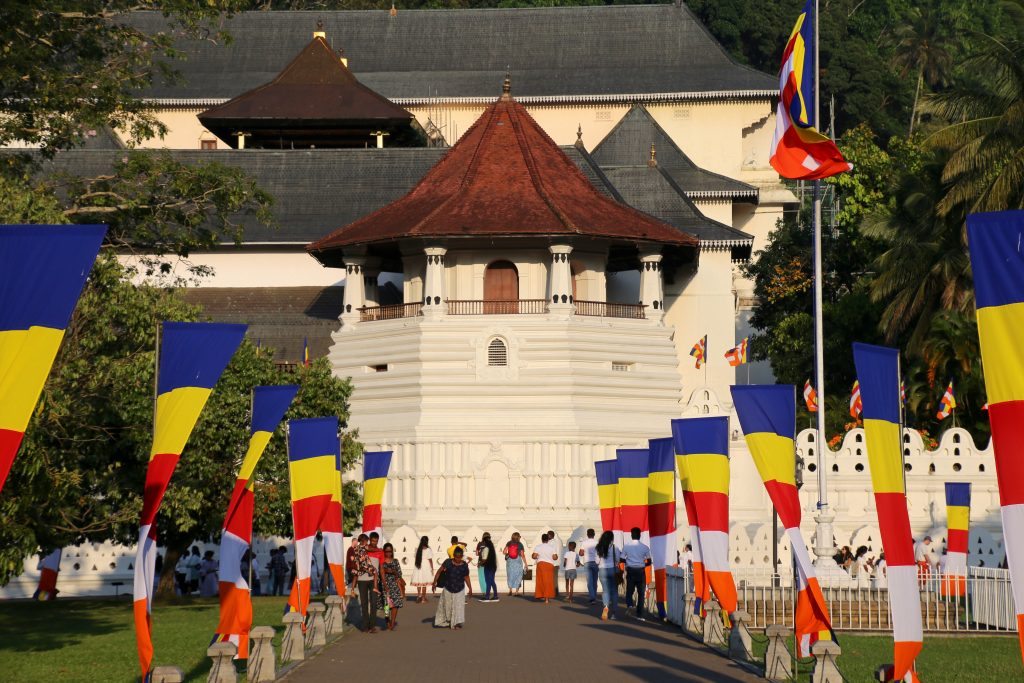
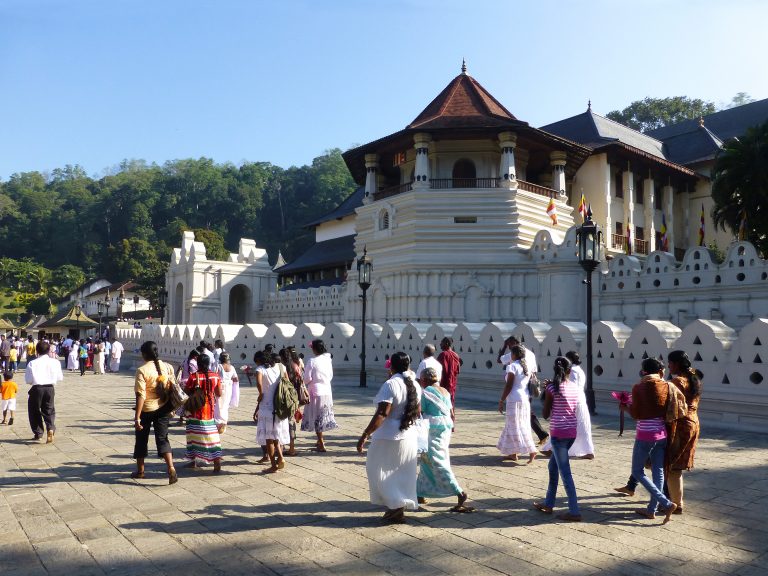
Morning: the Temple of the Sacred Tooth Relic. Sri Dalada Maligawa houses the tooth relic of the Buddha and is the heart of the UNESCO-listed Sacred City of Kandy. It opens at 5.30 am. The first daily ritual, with drumming and offerings, runs from around 5.30 to 7 am, and that’s the time to be there. Foreign visitors pay LKR 3,000 ($9.04 · convert), and the ticket also covers the temple’s museums and the Royal Elephant Stable. Buy it only from the machines inside the temple. Cover your shoulders and knees, and leave your shoes at the booth for foreign visitors. Expect a security check at the entrance. If you’re in Kandy on a Wednesday, the ceremonial bathing of the relic takes place at 9.30 am.
Late morning: Udawattakele. The forest reserve on the hill behind the temple has been a sanctuary since 1938. It’s about 15 to 20 minutes on foot from the temple. Its shaded paths are good for birds and monkeys; don’t feed the monkeys or carry food in the open. Visitors pay at the gate, and no official fee list is published.
Afternoon: Kandy Lake. Rest through the heat, then walk the shaded path round the lake. You pass the low white “clouds wall” with its triangular lamp holes. It’s free, and the light is softer in the late afternoon.
Evening: a Kandyan dance show. Several halls near the lake put on an hour of drumming, masked dances and fire-walking. Recent visitors (2025–26) report shows starting at about 5 pm. Afterwards, there’s time to return to the temple for the evening ritual, which runs from around 6.30 to 8 pm.

Day 2: Peradeniya, the tea museum and the hills
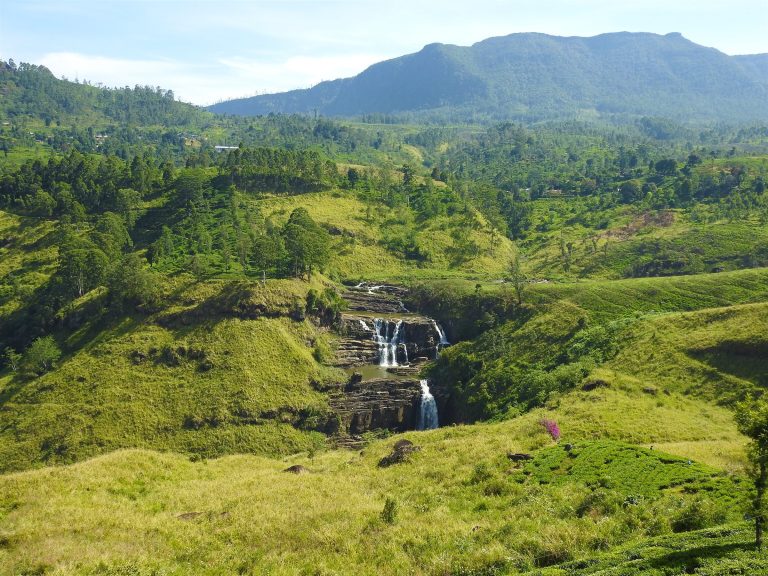
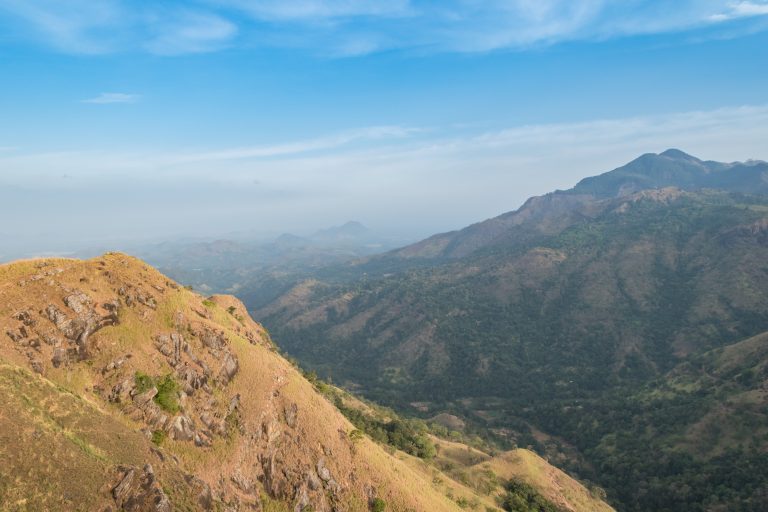
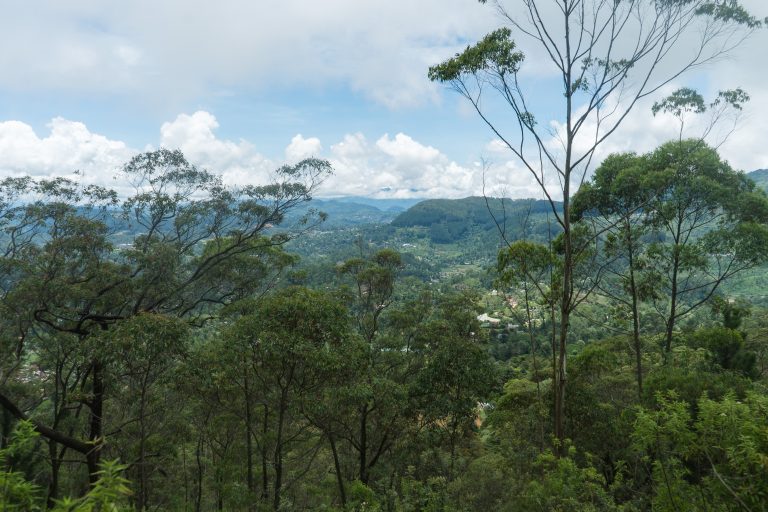
Early morning: Hanthana. If you’d like a walk, the hills south-west of the city rise through tea, pine and grassland to views over Kandy. Recent visitors manage the shorter route from the Ceylon Tea Museum on their own. Take a guide for the longer routes, since several groups have got lost on them. Go in settled weather and wear long socks: there are leeches after rain.
Mid-morning: the Ceylon Tea Museum. A 1925 tea factory on the Hantana road, about 3 km from the city. It’s full of old machinery, with a tea café at the top. Foreign visitors pay LKR 1,000 ($3.01 · convert). It’s closed on Mondays, so swap this day with Day 3 if you need to.
Afternoon: the Royal Botanic Gardens, Peradeniya. About 5.5 km west of the city, in a loop of the Mahaweli River. The gardens hold more than 4,000 plant species, palm avenues and a giant Java fig. The gardens are open every day from 7.30 am to 6 pm, and foreign adults pay LKR 3,540 ($11 · convert). The late-2025 floods severely damaged the suspension bridge over the river. Don’t plan your walk around crossing it. Bring water and allow a couple of hours at least.
Day 3: the temple loop or the Knuckles
Choose one, depending on whether you’d rather see old buildings or wild country.
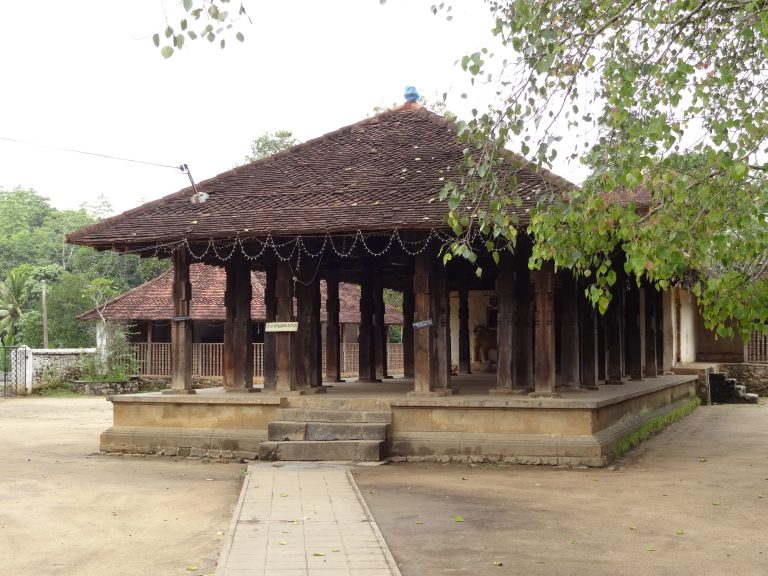
Option A: the three temples of Udunuwara. West of Kandy near Pilimatalawa, three old temples make a classic half-day loop by tuk-tuk or car. Gadaladeniya is a 14th-century stone image house about 12.5 km from Kandy. Lankatilaka is a tall white image house on a rock. And the wooden hall of Embekke Devalaya has pillars carved with 514 different designs. Cover shoulders and knees, and take off your shoes and hat at each. Back in town by lunchtime, climb to the Bahirawakanda Buddha statue on the hill above the city for the view.
Option B: the Knuckles. For a day in the mountains, head out early along the Kandy–Mahiyangana road. The Forest Department’s centre at Deanston has a short trail to a viewpoint. On the Matale side, the drive via Rattota reaches Riverston and the cliff edge of Pitawala Pathana. Mist rolls in later in the day, so start early. Take a local guide for anything longer than the short trails.
Our day trips from Kandy guide has more options, including Ambuluwawa and the cave temple at Aluvihara.
In July or August
Do your dates fall during the Kandy Esala Perahera? It’s the city’s great festival, a series of mostly night-time processions in the month of Esala, so plan around it. In 2026 it ran from 18 to 28 August. The Temple of the Tooth publishes the schedule on its [https://sridaladamaligawa.lk/kandy-esala-perahera/]Esala Perahera page. Our guide to whether the Perahera is worth it weighs it up.
Getting around
The centre is walkable: the temple, the lake, Udawattakele and the dance halls are all close together. For Peradeniya, the tea museum and the temple loop, a tuk-tuk for a few hours is easiest. Agree the price, the stops and the waiting time before you set off. Expect heavy traffic in the city at rush hour.
After Kandy
Kandy sits between the Cultural Triangle to the north and the tea country to the south. Most travellers continue to Nuwara Eliya, up the A5 past Ramboda Falls, or to Ella. See Kandy to Ella and Kandy or Nuwara Eliya. Heading north instead, Aluvihara and Nalanda Gedige make good stops on the way to Dambulla and Sigiriya.
Frequently asked questions (FAQs)
Is three days in Kandy too long?
Not if you like temples, gardens and walks. The city’s main sights fit into one day. Two more let you see Peradeniya, the tea museum, the old temples or the Knuckles without rushing.
What time should I visit the Temple of the Tooth?
Early. It opens at 5.30 am, and the first daily ritual runs from around 5.30 to 7 am. There are further rituals at around 9.30 to 11 am and 6.30 to 8 pm.
How much is the Temple of the Tooth ticket?
Foreign visitors pay LKR 3,000 ($9.04 · convert), which also covers the temple’s museums and the Royal Elephant Stable. Buy tickets only from the machines inside the temple.
Can I take the train to Kandy?
The railway into Kandy is being repaired after Cyclone Ditwah. The travel update at the top of this page shows how far trains run. Our Colombo to Kandy guide has the road options.
What is the best day trip from Kandy?
For history, the loop of three old temples west of the city: Gadaladeniya, Lankatilaka and Embekke. For scenery, the Knuckles, with short trails from Deanston and the viewpoint at Riverston.
Header photo: Bergentroll / Wikimedia Commons (CC0).