Check before you travel Hill-country railway: repairs after Cyclone Ditwah Checked 23 November 2026
Cyclone Ditwah damaged the hill-country railway in November 2025, and it is reopening in stages. Trains from Colombo Fort reached Peradeniya and Gampola again on 2 October 2026, but earth slips near Kadigamuwa station, between Rambukkana and Peradeniya, have blocked the line several times since. From 25 October 2026 the Department of Railways suspended all trains between Rambukkana and Peradeniya and Gampola until further notice, until repairs are finished and the line is confirmed safe; passengers with reserved seats on cancelled trains can claim a full refund at any railway station. Kandy station itself is not served yet. Trains between Nanu Oya and Badulla, which stop at Haputale, Ella and Demodara, restarted on 20 June 2026. The section between Gampola and Nanu Oya is still under repair, so you cannot yet go by train from Colombo or Kandy all the way to Ella. Check the latest services before you plan a rail journey, and book reserved seats on the Sri Lanka Railways seat reservation site.
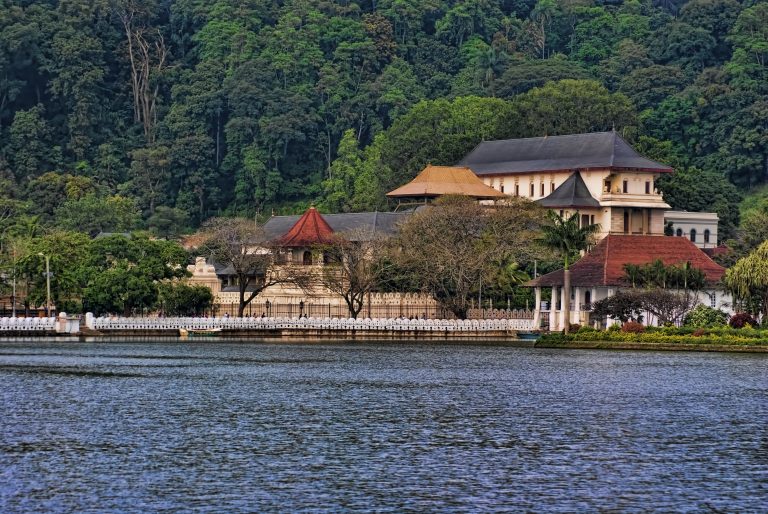
Kandy Lake, also called Kiri Muhuda (“sea of milk”), is an artificial lake in the middle of the hill city, right beside the Temple of the Sacred Tooth Relic. A shaded path runs along the shore, and it is the easiest free thing to do in Kandy.
Is it worth visiting?
Go if you want a gentle walk between sights, with hills on one side, the temple roofs on the other and a good chance of seeing birds and monitor lizards. It also makes a pleasant break after the busy temple area.
Think twice if you hope for clean, swimmable water or a long hike. The lake is for strolling, not swimming, and pollution is a known problem.
How it came to exist
King Sri Wickrama Rajasinha had the lake made in 1807 by flooding paddy fields called Tigolwela, in front of the Temple of the Tooth. It also took its name from an older pond in the same fields. Sources also credit Deveda Moolacharya as architect. Some accounts say the project angered monks of the Asgiriya and Malwatta chapters, but the king carried on.
When builders took soil for the dam, they left the little island in the middle. It was once a retreat for royal women, and later the British stored ammunition there. The pavilion on it is Diyathilaka Mandapaya. A story about a secret tunnel from the palace is folklore, not documented history.

The walk
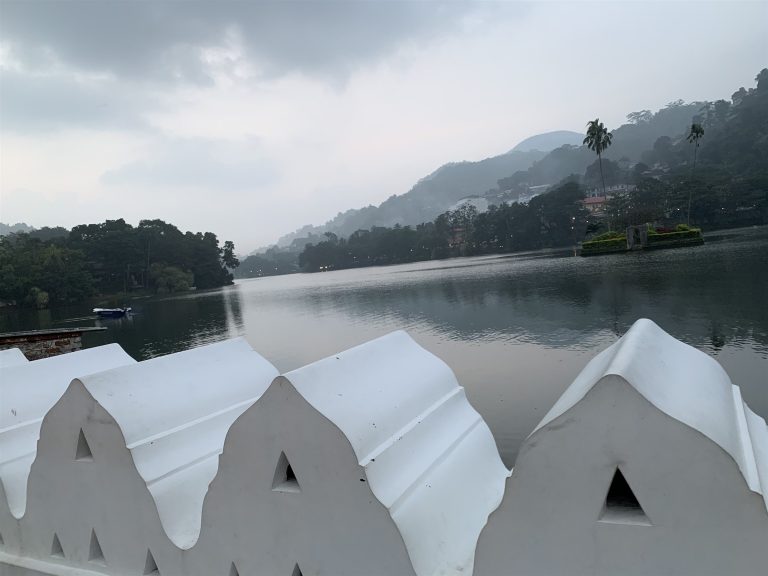
The path around the lake passes the low white wall known as Walakulu Bemma, the “clouds wall”, which is roughly 630 metres long. The king never finished it before the British took Kandy in 1815. People meant the triangular openings to hold oil lamps at festivals.
The Malwatta temple overlooks the water from one side, while the Temple of the Tooth sits at the other end. Also, you may not fish here. You can see egrets, cormorants and other water birds, and recent visitors (2025–26) report monitor lizards on the trees and rocks.
Recent visitors also report that early morning and late afternoon are the best times, when it is cooler and the light is softer. Boat rides run from the lakeshore; no official price list is published, so agree the price before you step in.
Practical tips
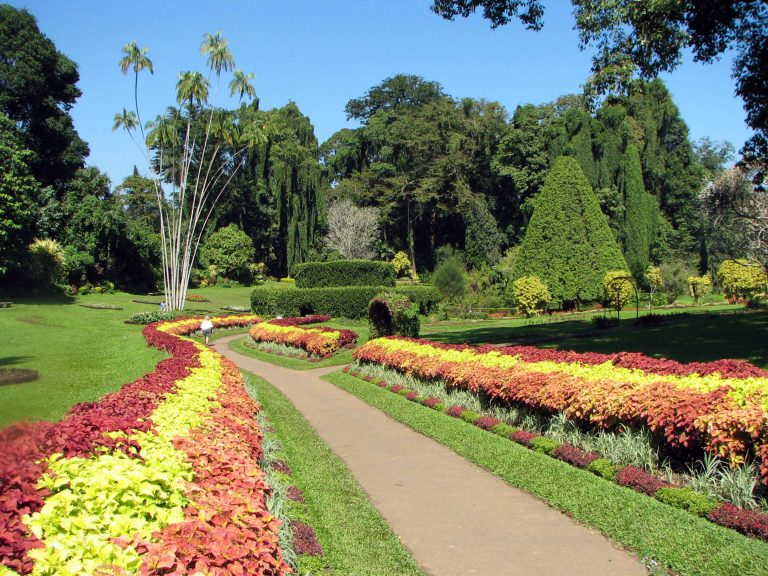
- Combine it with: the Temple of the Sacred Tooth Relic, Udawattakele Forest Reserve for a wooded walk above the town, or the Royal Botanic Gardens, Peradeniya a short drive out.
- Footwear: the path is flat, but rain can leave it wet.
- Rubbish: keep it with you, because the lake already suffers from pollution.
- Fees and hours: no official source states a fee or fixed hours for the lakeside path, so check on the day.
- Getting there: the lake is in the town centre, a short walk from the main streets. Check the travel update at the top of this page for the current train services to Kandy.
For the wider picture, read Kandy. If you plan to be here in the Perahera season, see Is the Kandy Perahera worth planning around?
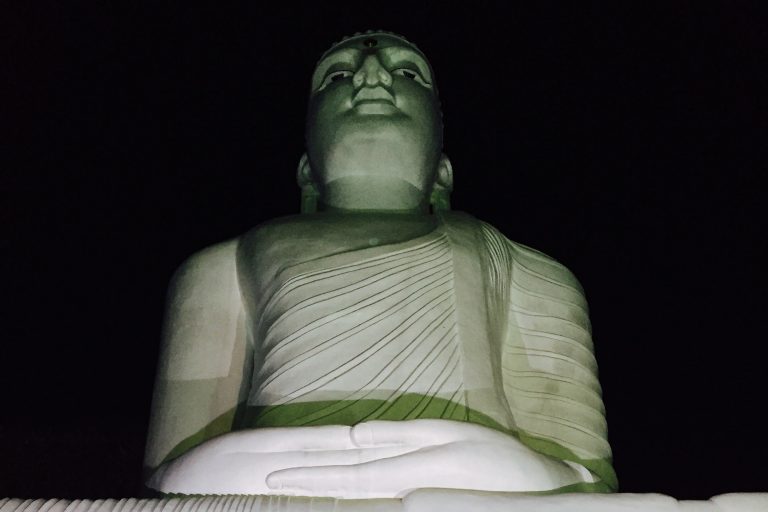
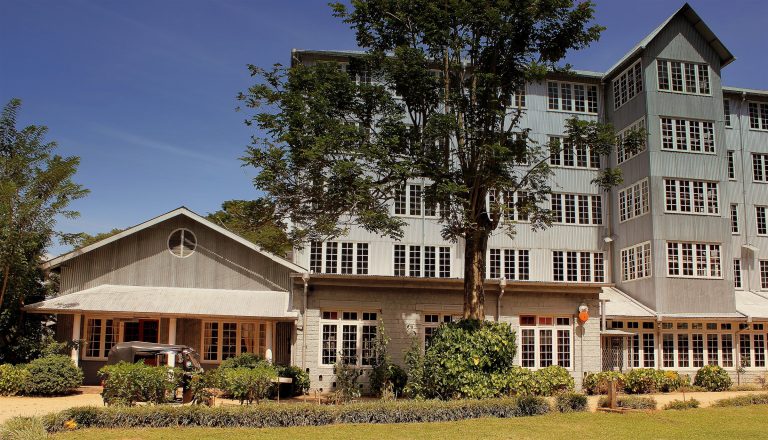
Within easy reach are the Bahirawakanda Buddha statue on the hill above town and the Ceylon Tea Museum.
Frequently asked questions (FAQs)
Where is Kandy Lake?
In the centre of Kandy, next to the Temple of the Sacred Tooth Relic.
Who built Kandy Lake?
King Sri Wickrama Rajasinha had it made in 1807 on former paddy fields.
Can you swim or fish in Kandy Lake?
No. You may not fish, and pollution is a known problem, so swimming is not a good idea.
What is the Walakulu Bemma?
The “clouds wall” beside the lake, about 630 metres long, which the king never finished before the British took Kandy in 1815.
Is there an entrance fee?
No official source gives a fee or hours for the lakeside path, so check on the day.
Header photo: Alexey Komarov / Wikimedia Commons, CC BY 3.0.