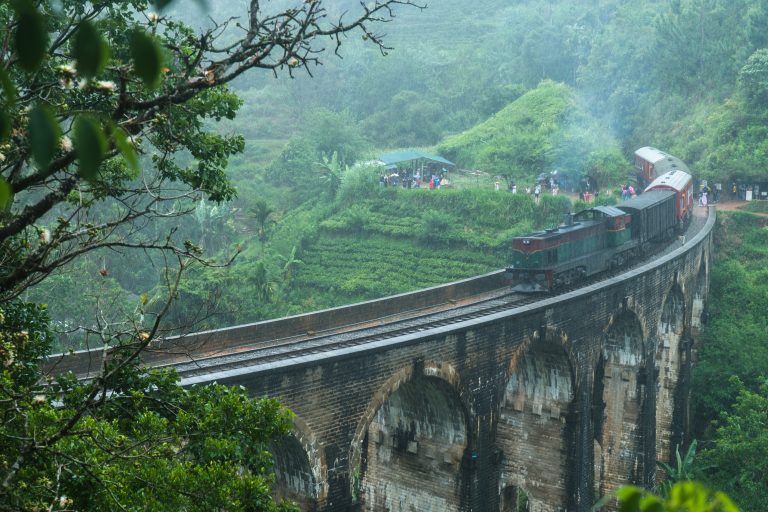
Check before you travel Hill-country railway: repairs after Cyclone Ditwah Checked 5 October 2026
Cyclone Ditwah damaged the hill-country railway in November 2025, and it is reopening in stages. Since 2 October 2026, trains run again from Colombo Fort to Peradeniya and Gampola, but Kandy station itself is not served yet. On 5 October 2026 earth and rocks fell onto the line between Kadigamuwa and Gangoda after heavy rain and derailed an early train; services restarted later the same day, but expect delays or short suspensions after heavy rain. Trains between Nanu Oya and Badulla, which stop at Haputale, Ella and Demodara, restarted on 20 June 2026. The section between Gampola and Nanu Oya is still under repair, so you cannot yet go by train from Colombo or Kandy all the way to Ella. Check the latest services before you plan a rail journey, and book reserved seats on the Sri Lanka Railways seat reservation site.
This is the route for people who want the green half of Sri Lanka: temples and gardens in Kandy, tea country and cool mornings around Nuwara Eliya and Ella, then three nights by the sea on the south coast, with a day in Galle Fort. It leaves out the ancient cities on purpose. That frees up time to walk the hills in the mornings, when the views are clearest, and to stay put once you reach the beach.
Is this route right for you?
Go if you’d rather hike to a viewpoint than climb a rock fortress, you like the idea of a train ride through the tea estates, and you want to end the trip properly on a beach rather than squeezing it in.
Think twice if Sigiriya and the ancient cities are on your list: this route doesn’t go near them, and on a first trip many people want both. Our guide to how many days you need in Sri Lanka shows how ten days usually splits between three regions. Think twice, too, if you’re travelling between May and September, when the south-west monsoon makes this coast rough (see “Choosing the coast by the month” below).
The route at a glance
- Kandy: 2 nights
- Nuwara Eliya: 2 nights
- Ella: 2 nights
- Mirissa or Weligama: 3 nights, with a day in Galle Fort
- Day 10: back to the airport along the expressways
That’s four bases in nine nights, two nights or more in each. Most of the travel is by road; the exception is the train from Nanu Oya, Nuwara Eliya’s station, down to Ella. Rail repairs after Cyclone Ditwah still affect the line from Kandy into the hills; see the travel update at the top of this page.
Kandy (Days 1 and 2)
Most international flights land at Bandaranaike International Airport, north of Colombo. Recent visitors (2025–26) report three to four hours by car from there to Kandy, depending on traffic, so this is a gentle first day. If you land late at night, sleep near the airport in Negombo and drive up the next morning.
On Day 2, see the Temple of the Sacred Tooth Relic. Its daily rituals, with drumming and offerings, take place at around 5.30 to 7 am, 9.30 to 11 am and 6.30 to 8 pm. Cover your shoulders and knees, and buy your ticket (LKR 3,000 for foreign visitors) only from the machines inside. Spend the hot middle of the day walking round Kandy Lake or in the forest of Udawattakele behind the temple, and go back for the evening ritual if you missed the morning one.
Travelling in July or August? That’s when Kandy holds the Esala Perahera, its great night processions, on dates set each year by the official astrologer. The temple publishes them on its Esala Perahera page; book Kandy early if your dates overlap.
Nuwara Eliya and Horton Plains (Days 3 and 4)
Leave Kandy early and stop at the Royal Botanic Gardens, Peradeniya, which open at 7.30 am about 5.5 km west of the city, where the A5 road to Nuwara Eliya begins. From there it’s about 75 km of climbing road, through Gampola and Pussellawa and into the tea estates, to Nuwara Eliya. Recent visitors report two and a half to three hours by bus, a little less by car.
At 1,868 m, Nuwara Eliya is cool all year. The British developed it as a cool-weather retreat, and you can still see it in the red-brick post office and the colonial-era buildings around Gregory Lake.
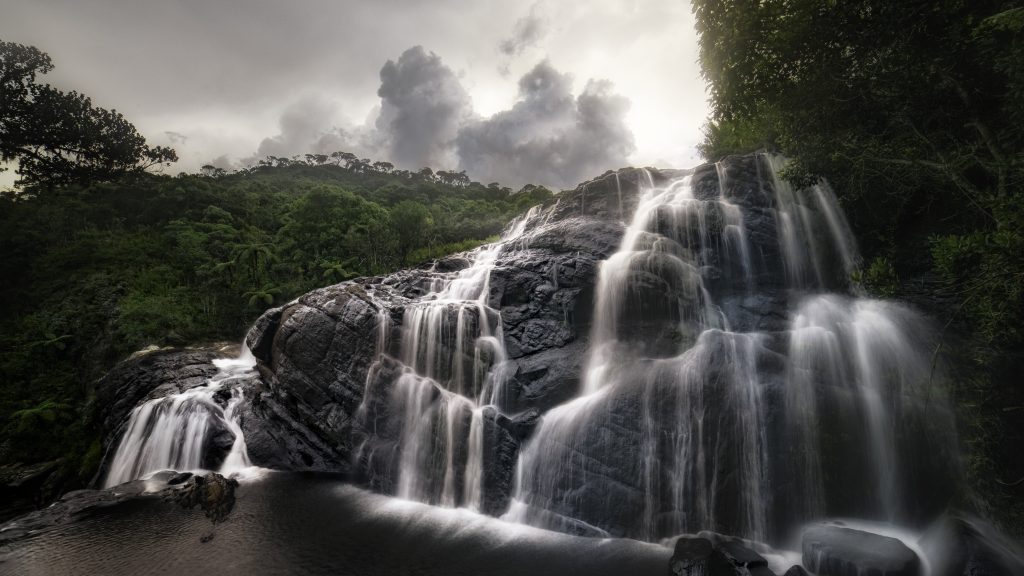
Day 4 belongs to Horton Plains National Park, 32 km away by road via Ambewela and Pattipola. Sri Lanka Tourism advises visiting roughly between 6 and 10 am, before the clouds roll in, so leave before dawn. The main loop of about 9 km takes around three hours and passes World’s End, where the plateau drops away, and Baker’s Falls. Mornings are cold, and polythene isn’t allowed in the park, so carry food in paper or a reusable box. In the afternoon, Hakgala Botanic Gardens, on the Badulla road out of town, is an easy last stop.
Ella (Days 5 and 6)
On Day 5, take the train from Nanu Oya down through the tea country to Ella. Recent visitors report a little over two and a half hours. Reserve seats on the Sri Lanka Railways seat reservation site up to 30 days ahead, with each traveller’s passport number, or buy unreserved tickets at the station on the day. Times change, so check them at the station the day before. If you have a driver, they can bring the bags round by road and meet you at Ella.
Ella’s sights are mostly morning walks, and two nights give you two mornings: Day 6, and Day 7 before you leave for the coast. Use the first for Ella Rock, the longer hike of 3 to 4 hours, and the second for an early climb up Little Adam’s Peak and a look at Nine Arch Bridge, then set off south after a late breakfast. 2 Days in Ella has the detail, including how to avoid the wrong turns on Ella Rock.
Down to the coast (Day 7)
The road south from Ella drops through the Ella Gap on the A23, past Ravana Falls, right beside the road and fullest in and just after the rainy season, to Wellawaya. From there drivers usually cut across to the Southern Expressway (E01) and follow it west towards Matara. Recent visitors report three to four hours by car from Ella to Mirissa; by bus, with changes, it takes much longer.
Elephants on your list? Udawalawe National Park lies between the hills and the south coast, and the Department of Wildlife Conservation’s Elephant Transit Home, where orphaned calves are raised for release into the park, is close by. Safaris are best in the morning or evening, so it needs a night of its own: take it from the beach days rather than the hills.
Mirissa and the south coast (Days 7 to 9)

For three nights, base yourself in Mirissa or Weligama, neighbouring bays on the coast road and railway between Galle and Matara. Mirissa is the place for whale watching: Sri Lanka Tourism gives the season off the south coast as November to April, and morning trips leave the fisheries harbour at around 6.30 am for three to four hours. Choose an operator that briefs you on the rules, keeps its distance from the animals and doesn’t offer swimming with whales, which isn’t allowed. Weligama’s wide sandy bay is a popular place to learn to surf; recent visitors describe small, slow waves and plenty of surf schools along the beach.
Leave one day empty. After a week of early starts, a morning with nothing in it is part of the plan.
The sea here deserves respect. Currents can be strong, and visitors have drowned off Mirissa and Weligama in recent years. Swim only where it’s calm, ask the lifeguards about conditions, and learn to surf with an instructor.
Galle Fort (Day 9, or on the way home)
Galle Fort is an easy day out from Mirissa or Weligama: all three are on the coastal railway and the A2 coast road. On the way, the lagoon at Koggala Lake makes a quiet stop; boat trips run round its mangrove islands, though there are no official prices, so agree one first.
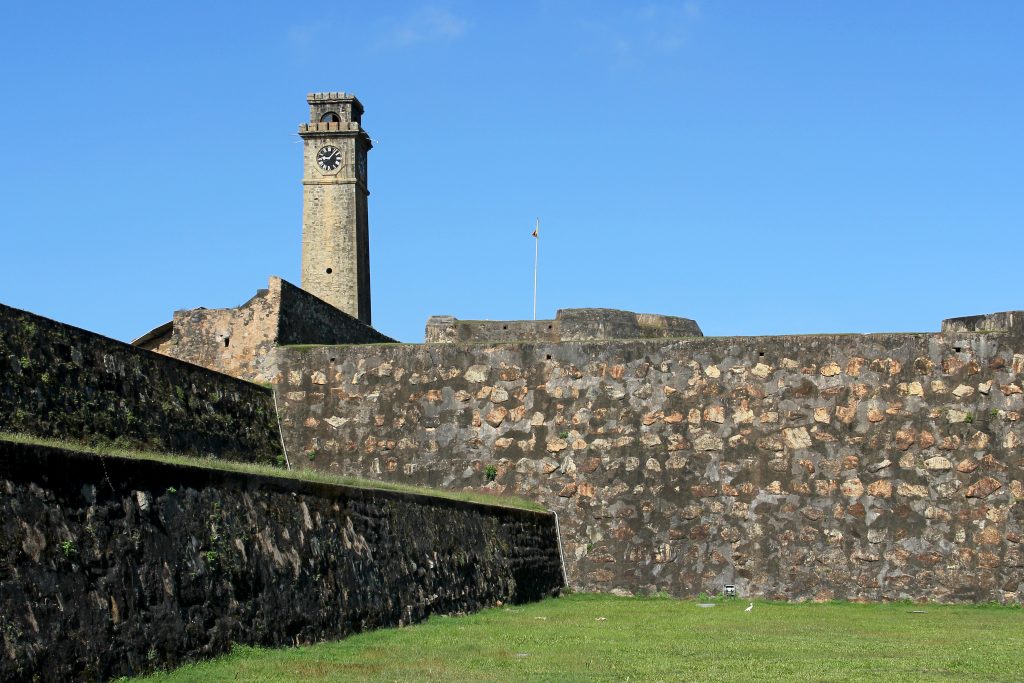
Inside the fort, walk the ramparts to the lighthouse and Flag Rock, look into the Dutch Reformed Church, completed in 1755, and find the shade of the narrow streets at midday. The National Maritime Museum and the Galle National Museum open Tuesday to Sunday, 9 am to 4.45 pm, except public holidays.
If you’d rather end in the fort, move your last night there. Galle is also on your way to the airport: the Southern Expressway runs from Galle towards Colombo, where it joins the expressways to the airport. The expressway section takes about an hour; traffic around Colombo decides the rest, so leave plenty of time before your flight.
Choosing the coast by the month
Sri Lanka Tourism says the south coast’s beaches are at their best from November to April, with calmer seas. From May to September the south-west monsoon brings rain and rough water to this side of the island, and the beach days lose their point.
In those months, think about finishing on the east coast instead. Arugam Bay, whose surf season Sri Lanka Tourism gives as April to October, is reached from Ella via Wellawaya and Monaragala on the A4, but it is a long way back to the airport, so allow a full travel day at the end. The hill country is fine in the middle of the year, though Horton Plains is often foggy from April to September.
A shorter or longer version
- Eight days: cut Kandy to one night, or the beach to two.
- Twelve days: add a night at Udawalawe on the way down, and give Ella a third night and take its walks at a gentler pace.
- Adding the ancient cities: with ten days, that means dropping the beach. Read our guide to how many days you need before you decide.
For the hills on their own, see our four days in the hill country; with two weeks, the 14-day route adds the ancient cities and a safari.
Frequently asked questions (FAQs)
Is 10 days enough for the hill country and the beach?
Yes. It gives you two nights each in Kandy, Nuwara Eliya and Ella, and three nights on the south coast, without moving every day.
How do you get from Ella to the south coast?
By road, down the A23 through the Ella Gap to Wellawaya, then usually on the Southern Expressway towards Matara. Recent visitors report three to four hours by car to Mirissa.
When is the best time for this route?
November to April, when Sri Lanka Tourism says the south coast’s beaches are at their best. From May to September the south-west monsoon brings rough seas to this coast.
Can I see whales on this trip?
Yes, from Mirissa between November and April. Trips leave the harbour at around 6.30 am and last three to four hours.
Can I take the train the whole way?
This route uses the train only between Nanu Oya and Ella, and the rest is by road. Services from Kandy into the hills depend on repair work after Cyclone Ditwah, so check the travel update at the top of this page.
Sources: sridaladamaligawa.lk (faq), sridaladamaligawa.lk (kandy esala perahera), en.wikipedia.org (Bandaranaike International Airport), botanicgardens.gov.lk (royal botanic gardens peradeniya), en.wikipedia.org (A5 road (Sri Lanka)), srilanka.travel (index.php), en.wikipedia.org (Nuwara Eliya), srilanka.travel (attraction&), botanicgardens.gov.lk (botanic gardens hakgala), seatreservation.railway.gov.lk, en.wikipedia.org (Ella, Sri Lanka), srilanka.travel (attraction&), srilanka.travel (attraction&), dwc.gov.lk, srilanka.travel (attraction), srilanka.travel (whale watching), faolex.fao.org, newswire.lk (foreign tourist rescued from drowning…), newswire.lk (surfing trip ends in tragedy…), en.wikipedia.org (Coastal line (Sri Lanka)), en.wikipedia.org (Koggala Lagoon), whc.unesco.org, museum.gov.lk, en.wikipedia.org (Southern Expressway (Sri Lanka)), en.wikipedia.org (Expressways of Sri Lanka), srilanka.travel (attraction), en.wikipedia.org (A4 road (Sri Lanka)) and recent visitor reports. Header photo: dronepicr / Wikimedia Commons, CC BY 2.0.