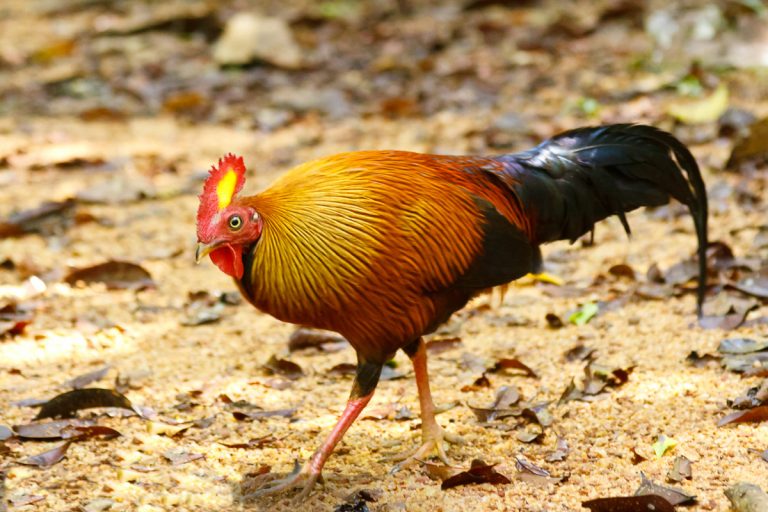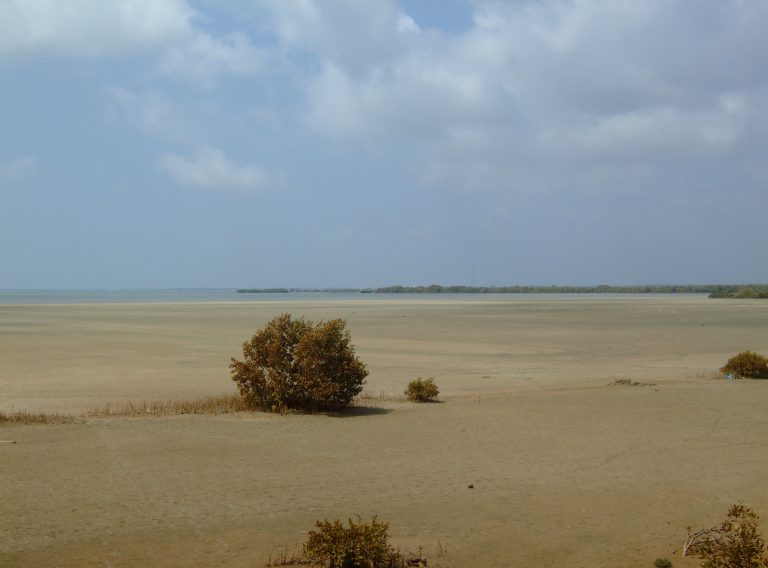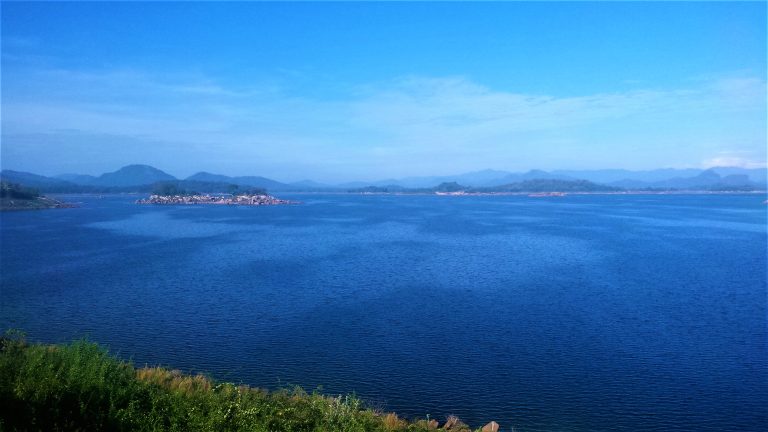

The north-west coast is the part of Sri Lanka most itineraries drive straight past. That’s a shame, because four days here give you something the classic route doesn’t. There are dolphins or kites on the Kalpitiya peninsula, and a long, quiet safari in the country’s largest national park. On the way, the coast road passes lagoons, salt pans and temples. It slots neatly between the airport and the ancient cities, ending at Anuradhapura.
The plan has two versions, because the wind and the sea decide what you do in Kalpitiya. From about November to April, the sea is calm enough for dolphin trips. From about May to September or October, the wind blows and the kite schools are busy.
Is this route right for you?
Go if you like wildlife, water and quiet places, and want a few days off the main circuit. It works well at the start of a trip, before the ancient cities.
Think twice if you want beach bars, nightlife or easy swimming beaches. Kalpitiya is a working fishing area, and much of it is about wind and water rather than sightseeing. Wilpattu, too, rewards patience: animals turn up less often than in open grassland parks.
The route at a glance
- Day 1: Colombo or Negombo up the coast road to Kalpitiya, with stops at Munneswaram and Anawilundawa.
- Day 2: Kalpitiya: dolphins at dawn or a day on the lagoon.
- Day 3: Wilpattu National Park, full day.
- Day 4: On to Anuradhapura.
Day 1: up the coast road
Head north on the Colombo–Puttalam road (A3) from Negombo or Colombo. Two stops break the drive:
- Munneswaram, just east of Chilaw: a Hindu temple complex around one of the island’s five ancient Shiva temples. Shrines to Kali, Ganesha and Ayyanayake and a Buddhist temple stand beside it. It’s a busy place of worship, and the temple asks visitors to leave cameras and phones behind.
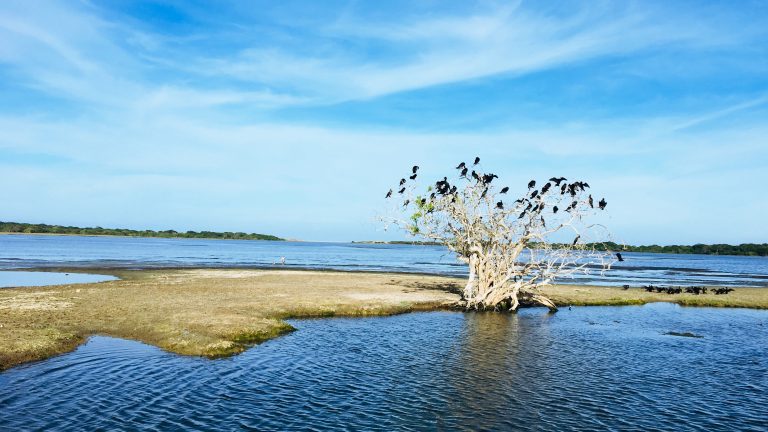
- Anawilundawa Wetland Sanctuary, between Chilaw and Puttalam: a chain of ancient irrigation tanks meeting mangrove swamp. It’s one of the country’s Ramsar-listed wetlands. It’s a working sanctuary rather than a developed site, so bring binoculars and some patience.
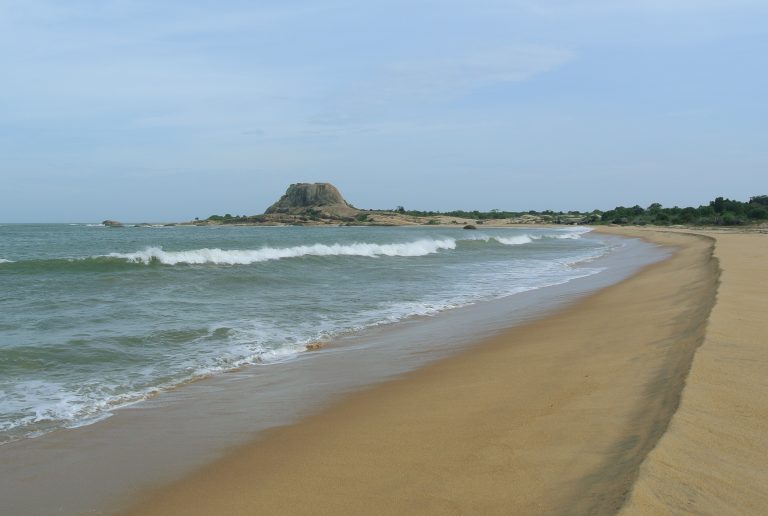
Turn off the A3 at Palavi onto the Palavi–Kalpitiya road (B349). It runs up the peninsula between the Puttalam Lagoon and the ocean. Settle into Kalpitiya for two nights.
Day 2: Kalpitiya
November to April: dolphins. Spinner, bottlenose and Indo-Pacific humpback dolphins live off the coast. Recent visitors (2025–26) report starts of around 5.30 or 6 am, when the sea is calmest. It can take up to an hour by boat to reach them. Choose a skipper who slows down well before a pod and never chases dolphins that are moving away. Nobody should feed, touch or swim with them. Take sun protection, water and seasickness tablets if you need them.
May to October: wind. This is the main kitesurfing season, though the exact months vary from year to year. The shallow lagoons suit learners. A beginner course commonly runs over three to five days, so one day is a taster. Book a registered school with a rescue boat; our guide to kitesurfing in Kalpitiya explains how to choose.
The afternoon, whatever the month, is for the Dutch fort. Built between 1667 and 1676 from coral and limestone, it stands inside a Sri Lanka Navy base. Visitors report showing a passport at the gate and being taken round by a sailor. Photographs aren’t allowed, so ask at your guesthouse first. In the calm months, snorkellers and divers can look into trips to the Bar Reef Marine Sanctuary, off the northern end of the peninsula. Don’t touch or stand on the coral.

Day 3: Wilpattu
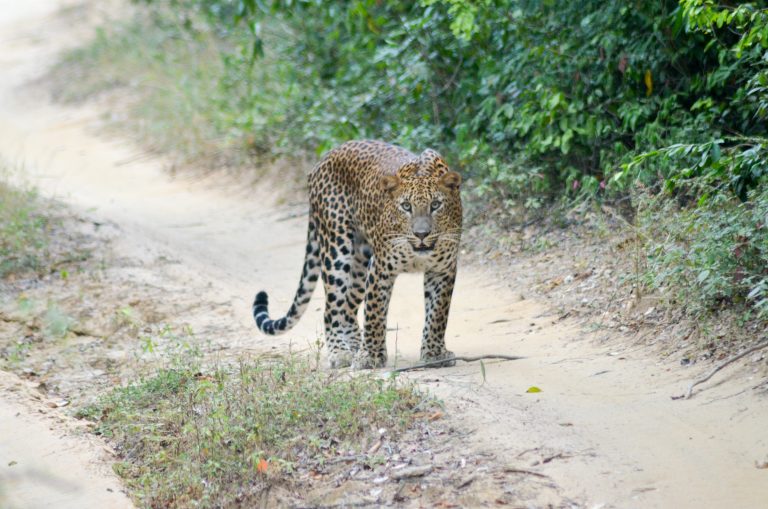
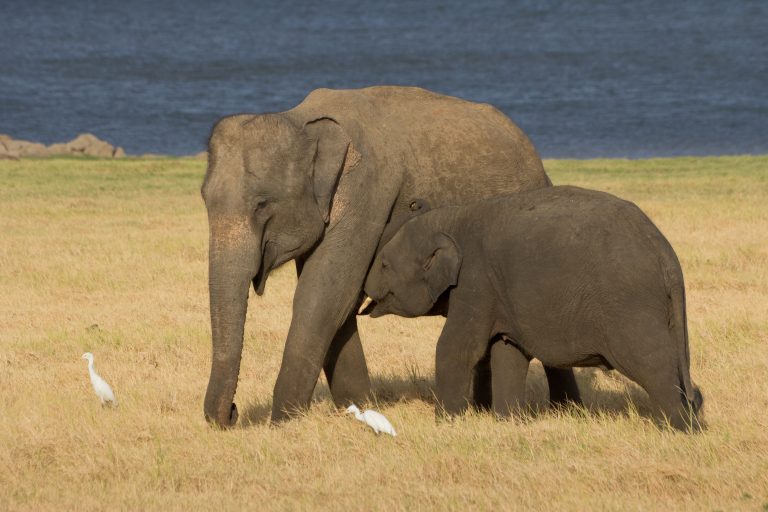
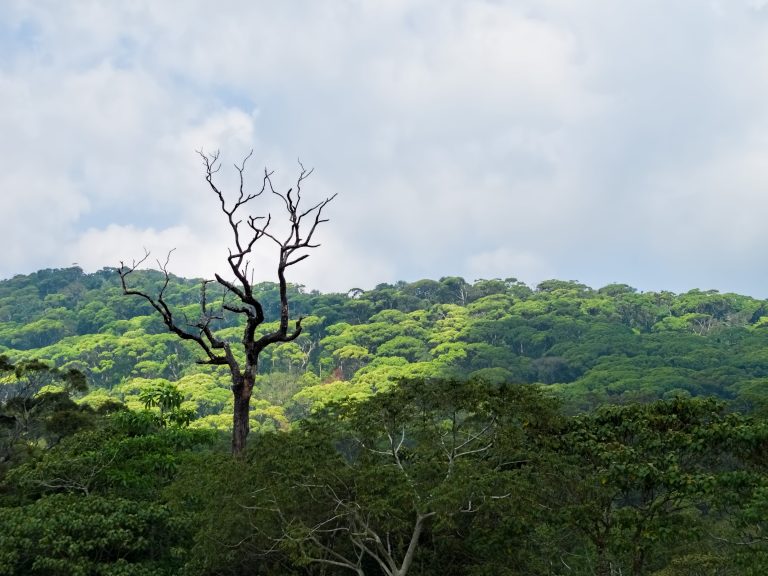
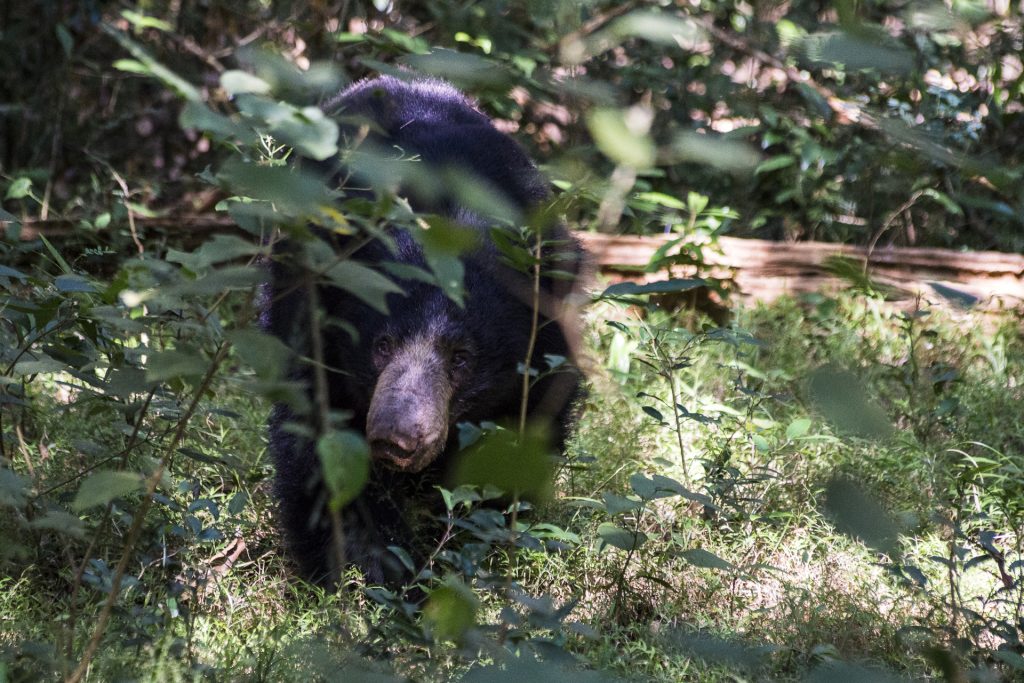
Wilpattu National Park is Sri Lanka’s largest, about 1,317 km² of dry forest, scrub and villus. These shallow natural lakes are where leopards and sloth bears come to drink. A 2018 camera-trap survey identified 133 individual leopards in the park. In thick scrub they’re hard to spot, though, and recent visitors’ luck varies widely.
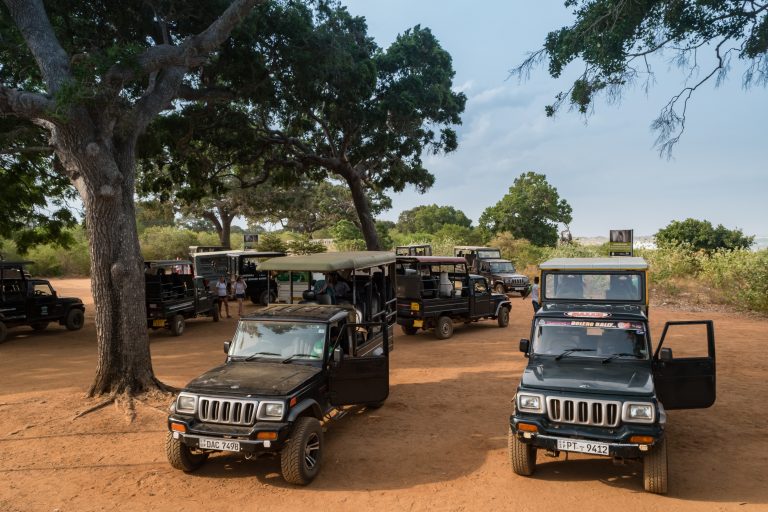
From Kalpitiya, the nearer entrance is Eluwankulama, on the southern edge across the Kala Oya river. You leave your vehicle near the Navy’s Crossway camp and walk over a 63-metre suspension bridge. A safari jeep waits on the far side. Recent visitors report the gates opening at 6 am and full-day safaris running until about 6 pm. A full day suits Wilpattu, because the good areas are far apart and the tracks are slow. Bring food, plenty of water, a hat and something to keep the dust off your camera. Recent visitors mention a single rest stop with toilets in the middle of the park.
Entry is by a Department of Wildlife Conservation permit, which you can book online as a day permit. The DWC doesn’t publish a fee table, so confirm the price when you book. Stay in the jeep, don’t feed any animal, and leave pork behind: it’s banned in national parks.
Sleep near the park tonight, or drive on towards Anuradhapura.
Day 4: on to Anuradhapura
From Puttalam, the A12 runs inland to Anuradhapura, the first great royal capital. There our 2 days in Anuradhapura plan takes over. You could also do Wilpattu from the other side. Its main entrance, Hunuwilagama, is about 40 minutes from Anuradhapura by recent visitors’ accounts. Swap Days 3 and 4 and do the safari from there.
When to go
- Wilpattu: Sri Lanka Tourism gives February to October as the best period. Most of the rain falls in the north-east monsoon, from December to February. The Kala Oya floods after heavy rain, which has closed the Eluwankulama side more than once. In the rainy months, check that your entrance is open.
- Dolphins: about November to April, when the sea is calm. In the south-west monsoon, recent visitors report that most boats stop going out.
- Kitesurfing: a main season from about May to September or October, and a lighter one from about December to February or March.
So February to April gives you dolphins and the best of Wilpattu together. June to September gives you kites and Wilpattu in the dry season.
Getting around
This route is easiest with a car and driver; see our guide to hiring a driver. Safari jeeps take over at the park gate: you can’t drive your own vehicle into Wilpattu.
Frequently asked questions (FAQs)
How many days do you need for Kalpitiya and Wilpattu?
Three or four. Give Kalpitiya two nights for a dolphin trip or a day on the lagoon. Give Wilpattu a full day, as the park is large and the tracks are slow.
Which Wilpattu entrance is closest to Kalpitiya?
Eluwankulama, on the southern edge, across the Kala Oya. You walk over a suspension bridge to the safari jeeps. The main entrance, Hunuwilagama, is on the Anuradhapura side.
When can you see dolphins in Kalpitiya?
In the calmer months, about November to April. Trips leave early, around 5.30 or 6 am, and most boats stop in the south-west monsoon.
Is Wilpattu good for leopards?
Leopards are what Wilpattu is famous for: a 2018 camera-trap survey identified 133 in the park. The forest is thick, though, so sightings are never guaranteed.
Can I add Kalpitiya to a first trip to Sri Lanka?
Yes. It lies up the west coast from Negombo and Colombo, and the A12 from Puttalam leads to Anuradhapura. So it fits between the airport and the ancient cities.
Header photo: Eleleleven / Wikimedia Commons, CC BY-SA 2.0.