Sri Lanka can be done with a wheelchair or limited mobility, but it takes more planning than most countries in the region, and some of its famous sights will stay out of reach. Many old sites are built on rock and reached by long flights of steps, older streets and towns were built long before any accessibility rules, and published accessibility information is scarce. With a private driver, the right hotels and a realistic list of sights, a good trip is possible.
This guide is honest about the gaps. Where there’s no official information, we say so rather than guess.
The law and the reality
On paper, Sri Lanka has accessibility rules. The Protection of the Rights of Persons with Disabilities Act of 1996 was followed by the Disabled Persons (Accessibility) Regulations, gazetted in October 2006, which set out how public buildings and facilities should be built. In 2011 the Supreme Court ordered that new public buildings and public places follow those rules. Sri Lanka also ratified the UN Convention on the Rights of Persons with Disabilities in 2016.
In practice, compliance has been patchy. Campaigners have gone back to the Supreme Court more than once over slow enforcement, and older buildings, streets and heritage sites were built long before any of these rules. Expect newer hotels, malls and the airport to be easier than old towns, temples and ruins.
Getting there: the airport
Most flights land at Bandaranaike International Airport near Colombo. Book wheelchair or mobility assistance with your airline when you book your flight, and confirm it again a few days before you fly. Ground handling at this airport is run by SriLankan Airlines, which trained its staff in wheelchair and stretcher handling in 2017. From the arrivals hall, the airport taxi counter, ride apps and pre-booked drivers are all on hand; our guide to arriving in Sri Lanka has the details.
Getting around
A car with a driver is the realistic choice. Buses are crowded and, as the UK government warns, often driven fast, and Sri Lanka Railways publishes no information on step-free access. A driver takes you door to door, waits while you visit and can help with a folding wheelchair. Specialist operators advertise vans with ramps and restraints and drivers trained to help with transfers; ask exactly what the vehicle has, and ask for a photo of it, before you pay a deposit. Our getting around guide covers hiring a driver.
Trains are part of many itineraries, and the scenic hill-country ride is one of the highlights of a trip. If you can manage steps with help, a reserved seat makes it more comfortable: book on the Sri Lanka Railways seat reservation site. Ask your guesthouse or driver about the specific station before you go.
Tuk-tuks are low but narrow, and suit someone who can transfer from a wheelchair and travel with it folded.
Where to stay
Sri Lanka Tourism classifies hotels, but it doesn’t publish a list of accessible rooms, so ask each hotel directly. Useful questions:
- Is there step-free access from the drop-off point to reception, the restaurant and the room?
- Is there a lift to the room’s floor, and how wide is its door?
- Does the bathroom have a roll-in shower, grab rails and space beside the toilet?
- Can you send photos of the room and bathroom?
Large modern hotels in Colombo and the bigger beach resorts are more likely to meet these needs than small guesthouses in the hills, many of which sit on steep slopes with steps to every room.
The big sights: what to expect
Many of Sri Lanka’s best-known sights involve climbing:
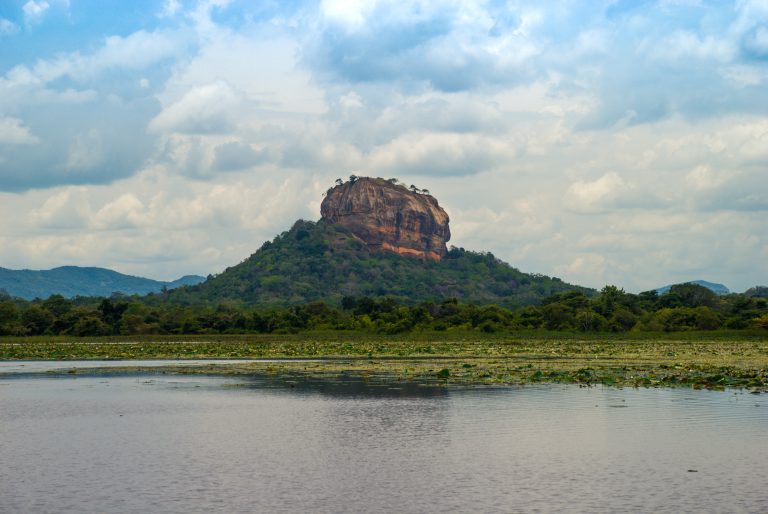
- Sigiriya: the Central Cultural Fund says the ascent involves about 1,200 steps and steep staircases. The water gardens and the museum are at the foot of the rock, but the summit isn’t possible without climbing.
- Dambulla Cave Temple: the caves are high on a rock, reached by a long climb.
- Sri Pada (Adam’s Peak) and Little Adam’s Peak: hikes, with steps most of the way.
Others are easier, though rarely smooth all the way:
- The ancient cities of Anuradhapura and Polonnaruwa spread across flat ground, and you can drive between the main monuments. Paths are sand and stone, and shoes come off at shrines, so expect some help to be needed.
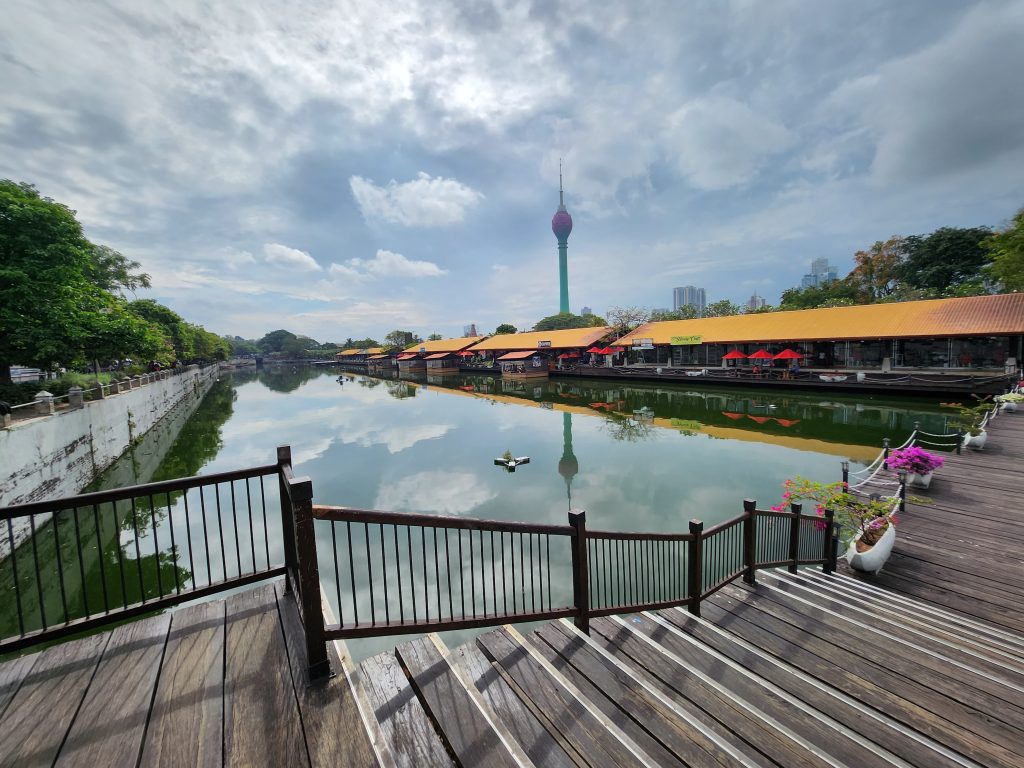
- Colombo Lotus Tower: visitors reach the observation deck by lift.
- Safaris at Udawalawe or Yala are seen entirely from the jeep, as visitors must stay in the vehicle. You will need to climb into a high 4×4, or to ask an operator about the adapted jeeps some advertise.
- Whale watching from Mirissa means boarding a boat from the harbour, so ask the operator how passengers get on.
Temples ask you to remove your shoes, and the stone underfoot can be uneven and hot by midday. Go early.
Health and help
Bring enough of any regular medicine for the whole trip, in its original packaging, with a copy of the prescription. Pharmacies are common in towns, but don’t count on finding a particular brand. Our health guide covers the rest, and in an emergency the free 1990 Suwa Seriya ambulance service covers the whole island. For a slower-paced trip, see Sri Lanka for older travellers.
Frequently asked questions (FAQs)
Is Sri Lanka wheelchair accessible?
Only in part. Newer hotels, malls and the airport are easier, but pavements, old towns, temples and many heritage sites are not. A car with a driver and careful choice of hotels and sights make a trip possible.
Can a wheelchair user visit Sigiriya?
The water gardens and museum are at the foot of the rock, but the climb to the summit involves about 1,200 steps and steep staircases, according to the Central Cultural Fund.
How do I get around Sri Lanka with limited mobility?
A private car with a driver is the most practical way. Specialist operators advertise vans with ramps; ask for details and photos of the vehicle before you book.
Are there laws on accessibility in Sri Lanka?
Yes. Accessibility regulations were gazetted in 2006, and in 2011 the Supreme Court ordered new public buildings to follow them, but compliance in older buildings and at heritage sites is patchy.
How do I book wheelchair assistance at Colombo airport?
Through your airline, when you book your flight. Confirm it again a few days before you travel.
Header photo: Saaremees / Wikimedia Commons, CC BY-SA 4.0.