Check before you travel Hill-country railway: repairs after Cyclone Ditwah Checked 19 October 2026
Cyclone Ditwah damaged the hill-country railway in November 2025, and it is reopening in stages. Since 2 October 2026, trains run again from Colombo Fort to Peradeniya and Gampola, but Kandy station itself is not served yet. Earth slips near Kadigamuwa have blocked the line more than once since then, most recently early on 17 October 2026, when trains towards Gampola and Colombo Fort were delayed; expect delays or short suspensions after heavy rain. Trains between Nanu Oya and Badulla, which stop at Haputale, Ella and Demodara, restarted on 20 June 2026. The section between Gampola and Nanu Oya is still under repair, so you cannot yet go by train from Colombo or Kandy all the way to Ella. Check the latest services before you plan a rail journey, and book reserved seats on the Sri Lanka Railways seat reservation site.
Plenty of travellers in their sixties, seventies and beyond come to Sri Lanka, and the island suits a slower, more comfortable trip well. Distances are short, a car with a driver takes the strain out of the roads, hotels range from colonial bungalows to beach resorts, and the cool hill country is a relief after the heat of the plains. The things to plan around are the heat, the steps at some of the famous sights, and the long days on winding roads.
This page is about pacing a trip comfortably. If you use a wheelchair or have limited mobility, our guide to accessible travel in Sri Lanka goes into more detail.
Travel slowly
Journeys between regions take most of a morning or afternoon, and hill roads are slow and winding. The easiest trips spend two or three nights in each place, so each day has one main outing and time to rest. Our guide to how many days you need explains the trade-offs: with less time, see fewer places rather than the same places faster.
A good rhythm for the warm lowlands is sights from early morning until late morning, a long lunch and rest, then out again in the late afternoon when it’s cooler.
Getting around comfortably
- A car with a driver is the most comfortable way to travel: door to door, with stops when you want them and help with luggage. Agree in writing what the price includes, and say at the start that you don’t want shopping stops. Our getting around guide explains how to book.
- The hill-country train is a highlight, and a reserved seat makes it far more comfortable; book as soon as seats go on sale, 30 days ahead. Many people ride one scenic stretch while the driver takes the bags by road. See the travel update at the top of this page for which sections are running.
- Avoid night driving. The UK government describes driving as erratic, with frequent accidents, particularly at night.
Sights: easy, moderate and demanding
Easier: the Sacred City of Anuradhapura and Polonnaruwa spread across flat ground, and you can be driven between the main monuments. The ramparts of Galle Fort are flat but unshaded; walk them early or late. The botanic gardens at Peradeniya have wide lawns and shade, and jeep safaris at Udawalawe or Minneriya are seen from the vehicle, though you’ll need to climb into a high 4×4.
Moderate: temples ask you to take off your shoes, and the stone gets hot and uneven by midday, so go early and carry socks. The Dambulla Cave Temple is reached by a long climb.
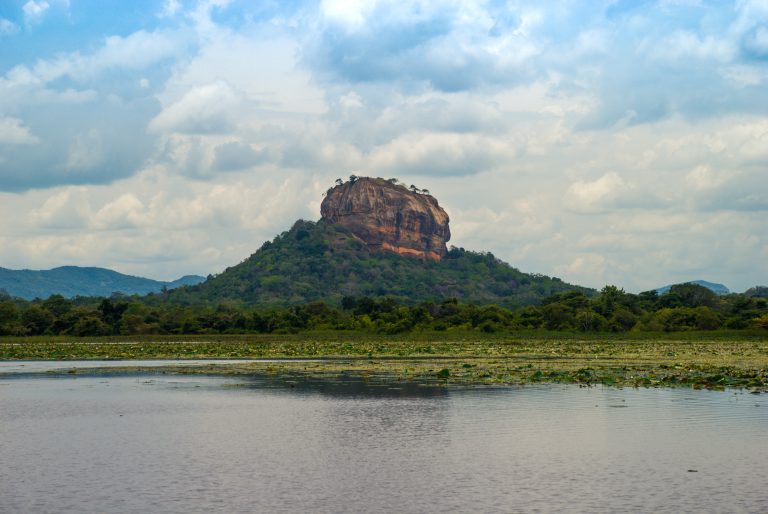
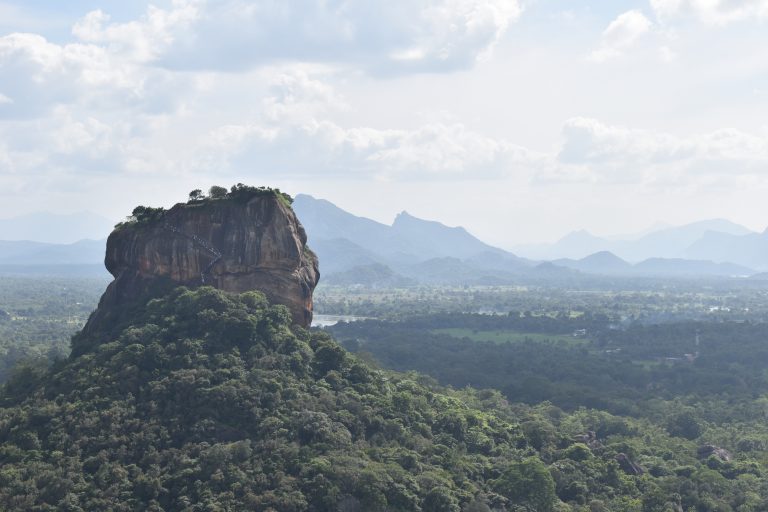
Demanding: Sigiriya involves about 1,200 steps and steep staircases, according to the Central Cultural Fund, though the water gardens at its foot are easy to visit. Pidurangala ends in a scramble over boulders. The night climb up Sri Pada (Adam’s Peak) takes hours of steep steps.
Heat and health
- Heat: the north, the ancient cities and the east can be very hot. On heat-advisory days, the Department of Meteorology advises drinking plenty of water, staying out of direct sun and avoiding strenuous activity in the hottest part of the day.
- Medicines: bring enough of any regular medicine for the whole trip, in its original packaging, with a copy of the prescription. Pharmacies are common in towns, but don’t count on finding a particular brand.
- Mosquitoes and animals: there’s no malaria, but dengue is a risk all year, so avoid bites. Rabies is present, so don’t touch dogs or monkeys.
- Emergencies: the free 1990 Suwa Seriya ambulance service covers the whole island.
- Insurance: check that your policy covers your age, any existing conditions and medical evacuation.
Our health guide has the official sources.
Where to slow down
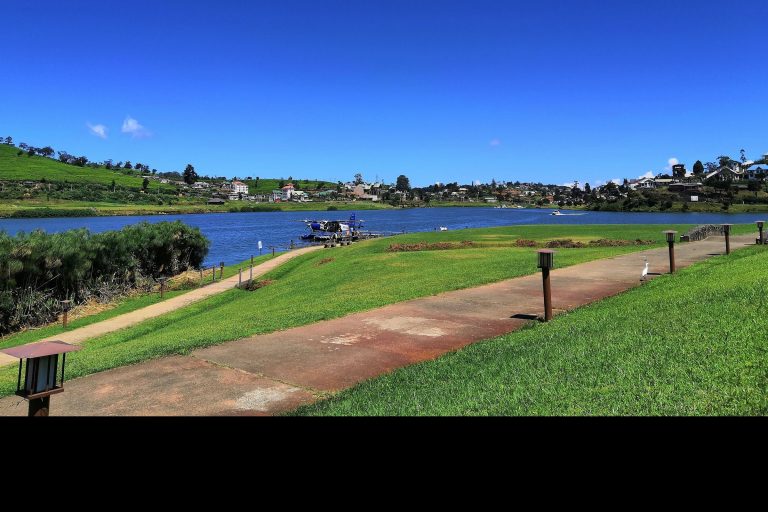
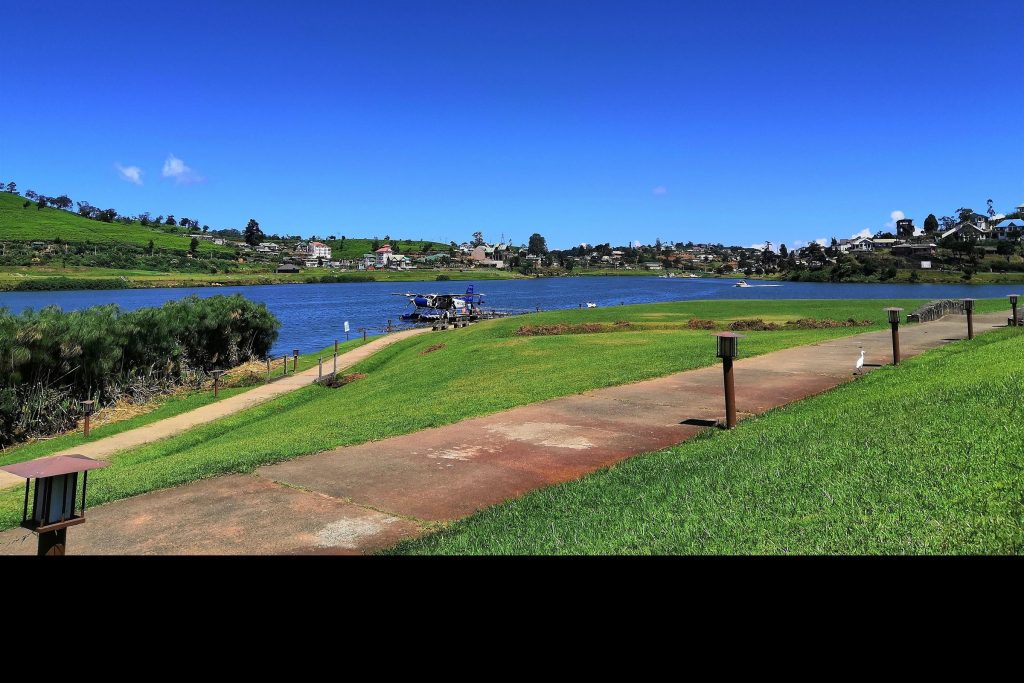
- The hill country: Nuwara Eliya is cool all year, with colonial buildings and gentle walks around the lake and tea estates. Bring a warm layer for the evenings.
- The beaches: choose calm water and a hotel with a pool. Many beaches have strong currents at certain times of year, so ask the lifeguards before swimming.
- Ayurveda: if you’d like a wellness stay, our Ayurveda guide explains how to choose a credible place.
For a comfortable route, our 7 days in Sri Lanka itinerary combines a driver with one scenic train ride.
Frequently asked questions (FAQs)
Is Sri Lanka suitable for older travellers?
Yes, with a slower pace: two or three nights in each place, a car with a driver, early starts and rest in the heat of the day.
Is it hard to climb Sigiriya?
Yes. The Central Cultural Fund says the ascent involves about 1,200 steps and steep staircases. The water gardens at the foot of the rock are easy to visit.
What is the most comfortable way to travel around Sri Lanka?
A car with a driver, door to door, with a reserved seat on one scenic train journey if you’d like.
Is Sri Lanka too hot for older travellers?
The lowlands are hot all year, so plan sights for early morning and late afternoon. The hill country around Nuwara Eliya is cool.
What should I bring for health in Sri Lanka?
Enough of your regular medicines in their original packaging, a copy of your prescriptions, insect repellent and sun protection.
Header photo: Sleepyartz / Wikimedia Commons, CC BY-SA 4.0.