
The best things to bring home from Sri Lanka are mostly light and cheap: tea, spices, a carved mask, a length of batik or handloom. The expensive temptation is gems, and that’s where most of the bad experiences start. This guide covers what’s worth buying, and where prices are fixed or open to bargaining. It also explains how to pay, and the customs rules for a few souvenirs.
What to buy
- Tea. The obvious one, and easy to carry. Look for the Lion Logo on the pack. The Sri Lanka Tea Board says it guarantees 100% pure Ceylon tea packed in Sri Lanka. Tea factories in the hills sell their own tea after a tour, and so does the Ceylon Tea Museum near Kandy. Our guides to which tea factory to visit and Haputale’s tea country help you choose.
- Spices. Cinnamon, cardamom, pepper and cloves. Buy them in markets and supermarkets as well as at spice gardens, and compare the prices.
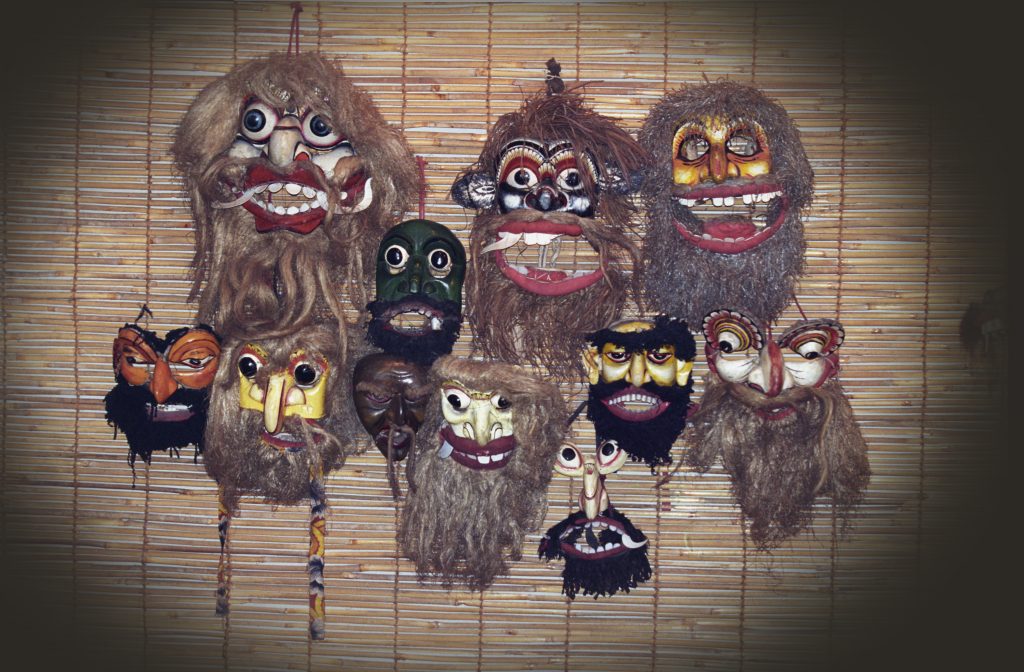
- Masks. Ambalangoda, on the coast road south of Bentota, is the home of carved wooden masks. The Ambalangoda Mask Museum explains what each mask is for before you see the shop upstairs. Visitors describe the prices there as on the high side.
- Batik and handloom. Sarongs, wall hangings and cotton cloth in bright colours, sold all over the tourist areas.
- Crafts. Lacquer work, brassware, wood carving and pottery. Laksala, the state-run chain of the Sri Lanka Handicrafts Board, has showrooms in Colombo, Kandy, Galle and other towns. It gives you a baseline price before you shop elsewhere.
Gems: buy carefully or not at all
Gems are the one souvenir where real money is at stake, and the gem pitch is a well-worn tourist scam. A friendly stranger or a driver suggests a shop. The stones are presented as a bargain you could resell at home. And the price is high for what you get.
If you want a stone, buy it because you like it, from a shop you chose yourself. Pay a price you’d be happy with, with no resale in mind. For anything costly, the government’s [https://ngja.gov.lk/business_services/gem-testing-and-valuation/]National Gem and Jewellery Authority (NGJA) tests and values stones for a fee, at laboratories in Colombo, Galle and Ratnapura. You can check whether one of its certificates is genuine on its [https://gemlab-certificate.ngja.gov.lk/]certificate verification site. A seller who won’t let a stone be tested before you pay has told you what you need to know. The NGJA’s chairman has said that imitations and heat-treated stones sold as untreated are the biggest threat to the trade.
Fixed prices and bargaining
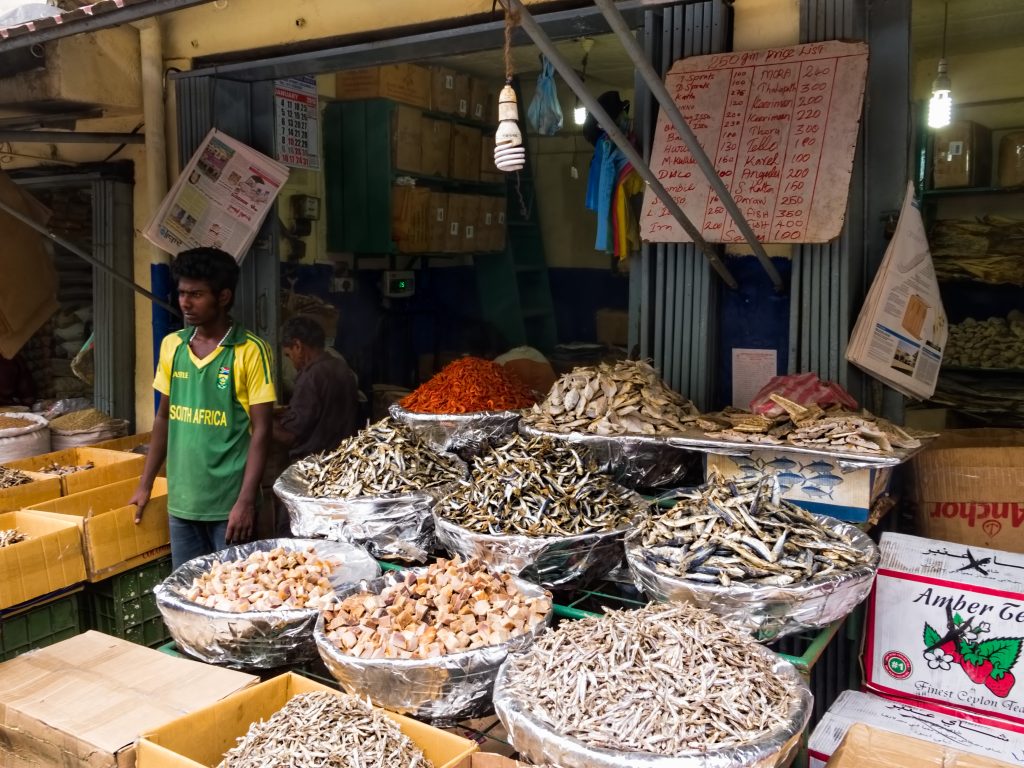
Supermarkets, malls and shops with price labels have fixed prices. In markets and at street stalls, bargaining is normal. Travel guides and visitors say the first price quoted to a tourist can be well above what you’ll settle on.
A few habits keep it friendly:
- Know the baseline. Look at fixed-price shops first, so you know roughly what something should cost.
- Smile and take your time. Haggling is a conversation, not a fight. Walking away politely is fine, and sometimes brings a better offer.
- Only bargain if you mean to buy. Once you’ve agreed a price, pay it.
- Keep it in proportion. A few hundred rupees matters more to a stallholder than to you.
The places to be most on guard are the ones you didn’t choose. Recent visitors report drivers and touts steering them to spice gardens, gem shops and batik “factories”. These pay commission on what you buy. The tour is often interesting; the shop at the end is where the pressure comes. Our scams and touts guide covers these.
Where to shop
- Colombo has the widest range, from malls and fixed-price shops to the crowded lanes of Pettah Market, where each street has its own trade. Sea Street, for example, is known for gold and jewellery. Our free things to do in Colombo guide includes a walk through Pettah.
- Around Kandy, the road north towards Matale and Dambulla is lined with spice gardens. Compare their prices with a supermarket’s before you buy.
- Galle Fort has small shops and galleries inside the walls.
- The hill country is the place to buy tea, at the factories themselves.
Paying
Cards work in hotels, supermarkets and bigger shops, but markets and small shops want cash. Sri Lanka Tourism says a surcharge for paying by card is illegal. Carry small notes: the largest note is LKR 5,000 ($15 · convert), and small shops often can’t change it. Visitors from India, China and several other Asian countries can pay with their home payment apps at shops displaying the LANKAQR code. Our money guide has the details.
If you spend a lot in one shop, ask about the Tourist VAT Refund Scheme. To claim, you must be at least 18 and have stayed less than 90 days. You must also have bought at least LKR 50,000 ($151 · convert) of goods (before VAT) from one authorised retailer. That can be on no more than three invoices issued the same day. The shop issues a tourist VAT refund invoice with your passport. You then claim at the counter in the departure lounge at Bandaranaike International Airport, with the goods.
What you can’t take home
Sri Lanka Customs restricts a few things that look like souvenirs:
- Antiques need an export licence from the Director General of Archaeology, and replicas need proof that they are replicas. Buy old-looking statues and carvings only from shops that can give you the right papers.
- Wooden furniture needs prior approval from the Forest Department.
- Gems for export are handled through the NGJA; keep your receipts and any certificate.
- Plants, animals and parts of them need permits from the quarantine services.
- Gold: only personal jewellery in reasonable amounts.
Shells, coral and anything made from wild animals count as animal parts, so leave them on the shelf. The [https://www.customs.gov.lk/about-us/directorates-and-divisions/passenger-services-directorate/]Sri Lanka Customs passenger page lists the current rules, and remember your home country’s import limits too.
Frequently asked questions (FAQs)
What should I buy in Sri Lanka?
Tea with the Lion Logo, spices, carved masks from Ambalangoda, batik and handloom, and crafts such as lacquer work and brassware. Buy gems only with care, and only at a price you’re happy with.
Is bargaining normal in Sri Lanka?
In markets and at street stalls, yes. Supermarkets, malls and shops with price labels have fixed prices, which help you judge what something should cost.
How do I know if a gem is real?
Have it tested. The National Gem and Jewellery Authority tests and values stones for a fee at its laboratories in Colombo, Galle and Ratnapura. Its certificates can be checked online.
Can I get VAT back on shopping in Sri Lanka?
Yes, under the Tourist VAT Refund Scheme. You must spend at least LKR 50,000 ($151 · convert) before VAT at one authorised retailer, on no more than three invoices issued the same day. Claim at Bandaranaike International Airport’s departure lounge with the goods.
Can I take antiques out of Sri Lanka?
Only with an export licence from the Director General of Archaeology. Sri Lanka Customs also asks for proof that replicas are replicas.
Header photo: Jerzy Strzelecki / Wikimedia Commons, CC BY 3.0.