
A car with a driver is how a great many visitors see Sri Lanka, and for good reason. The roads are slow and busy, and the sights are spread out. A driver takes you door to door, waits while you look round and carries the luggage. It costs much more than buses and trains, and the experience depends almost entirely on who you hire.
This guide is about choosing well. It covers the licence to ask for, what a quote should include and the questions that prevent arguments.
Do you need a driver at all?
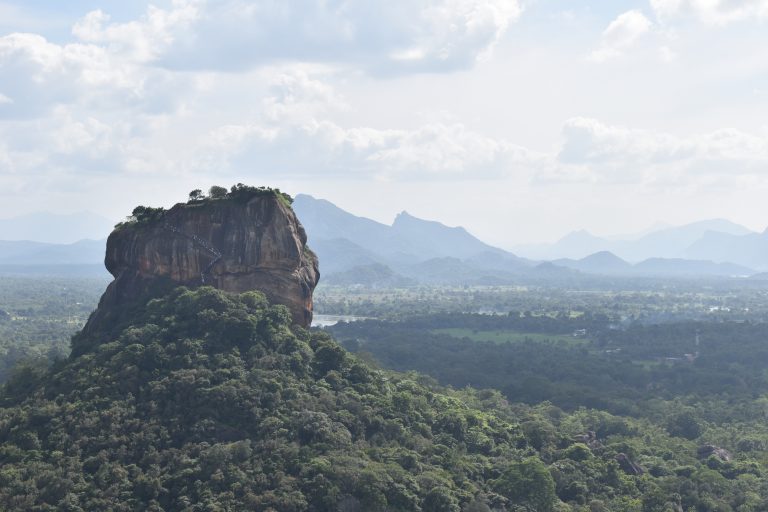
Hire one if you have a lot of luggage, children, limited mobility, or a short trip with a lot of ground to cover. A driver also links sights that are awkward by public transport. Examples are Sigiriya and the Dambulla Cave Temple in one day, or the road from Ella down to Yala with stops on the way.
Think twice if you’re on a tight budget and travelling light. The south coast and the hill-country railway are easy without one. Many independent travellers hire a car for one or two awkward days only. Our guide to Sri Lanka without a driver shows which legs are easy, and getting around Sri Lanka compares all the options.
Driver, chauffeur guide or national guide?
Sri Lanka Tourism (the SLTDA) licenses guides in four categories under its 2019 regulations. They are national tourist guide lecturers, chauffeur tourist guide lecturers, area guides and site guides. A chauffeur guide is licensed both to drive you and to guide you at the sites. A plain driver isn’t licensed to guide.
The rule matters more than it sounds. In January 2026 the SLTDA said that people without a national or chauffeur guide licence cannot lead tourist groups. It had also set up an enforcement unit working with the police. Ask to see the licence, an SLTDA identity card, when you book. Be wary of anyone who can’t show one but offers to “guide” you round the sites.
If you’re happy to do your own reading at each site, a good driver without a guide licence is fine. You can hire a licensed site guide at the bigger sites when you want one.
Where to find one
- Through your hotel or guesthouse. The most common way, and they have a reputation to protect.
- Through a registered travel agency or tour operator. Useful for longer trips planned in advance. Sri Lanka Tourism registers travel agencies, so ask for the registration.
- On a recommendation. Drivers with many repeat guests usually earn them. Ask for the driver’s own number and talk to them before you pay anything.
Be cautious about anyone who approaches you on arrival. Recent visitors report drivers walking up to new arrivals inside the terminal at Bandaranaike International Airport. They offer rides at well above the going rate. The official taxi counter, ride-hailing apps and the airport buses are all better for that first ride; see arriving in Sri Lanka.

What a quote should include
Prices vary a lot with the vehicle, the season and the distance. The published rates we found disagree too widely to quote one. What matters is comparing like with like. Get it in writing, and check:
- How it’s charged: per day, per kilometre, or per day with a kilometre allowance and extra kilometres on top.
- Fuel, tolls and parking. The expressways are tolled, and parking at the big sites adds up.
- The driver’s meals and room. Some quotes include them and some bill them separately. Ask, and agree who pays before day one.
- The vehicle: a car, a van or something bigger. Check the air conditioning works, and ask for seatbelts in the back if you want them.
- Entrance tickets and safari jeeps. Usually not included. You go into every national park in a jeep with a driver, so your car waits outside.
- The route and the number of days, with any day trips.
Tips are on top of the price and aren’t compulsory.
The conversation that prevents arguments
A few minutes at the start saves the most common disputes:
- “No shopping stops, please.” Recent visitors (2025–26) report drivers steering them to spice gardens, gem shops and craft outlets. These pay commission on what you buy. Say it on day one, kindly and clearly.
- You choose the lunch places, rather than leaving it to the driver.
- Agree the start time each day, and how long you want at each stop.
- Share your plan in advance, with the places you want to see. Changes on the road are fine, but extra kilometres may cost more.
Remember that the driver is working, often for long days. Daylight driving is safer for everyone. The UK government describes driving in Sri Lanka as erratic, especially at night, with animals and pedestrians on busy roads.
Driving yourself instead
Self-drive is possible, with a Sri Lankan document as well as your home licence. The Department of Motor Traffic issues temporary licences at the airport. Our getting around guide explains what you need. Most first-time visitors find a driver less stressful, and it lets you look at the view.
Frequently asked questions (FAQs)
Is it worth hiring a driver in Sri Lanka?
For many visitors, yes: it’s door to door, flexible and the easiest way to fit several sights into a day. It costs much more than buses and trains, so budget travellers often hire one only for awkward days.
What is a chauffeur guide in Sri Lanka?
A driver who also holds a chauffeur tourist guide lecturer licence from Sri Lanka Tourism. It allows them to guide you as well as drive. Ask to see the SLTDA identity card when you book.
Do I pay for the driver’s food and room?
It depends on the quote: some include the driver’s meals and room and some bill them separately. Check in writing before you agree.
How do I avoid shopping stops?
Say at the start, clearly, that you don’t want shopping stops, and choose your own lunch places. Recent visitors report drivers taking guests to spice gardens and gem shops that pay commission.
Can my driver take me into a national park?
No. You go into the national parks by safari jeep with a driver, booked separately, while your car waits outside.
Header photo: Travel Kalutara / Wikimedia Commons, CC BY-SA 4.0.