Sri Lanka is an easy country to travel in once you know a handful of things, and a slightly baffling one if you don’t. Why can’t the tuk-tuk driver change your 5,000 note? Why is the bar shut on a Tuesday? Why did a two-hour drive take five? These are the things to know before visiting Sri Lanka that we’d give a friend before their first trip, short on each point and linked to the full guide where there’s more to say.
Before you fly
- Everyone needs an ETA. The electronic travel authorisation is Sri Lanka’s tourist visa, and you apply online before you travel. Since 25 May 2026 it has been free for citizens of 40 countries, including the UK, the US, Canada, Australia and India, but it isn’t automatic: you still apply. Use only eta.gov.lk, because look-alike sites charge extra. Our visa and ETA guide has the full list and the fees.
- Your passport needs six months. The ETA site asks for a passport valid for at least six months from the day you arrive, a return ticket and enough money for your stay.
- Cover a Buddha tattoo. Visitors have been refused entry and deported over visible Buddha tattoos. If you have one, wear sleeves or trousers that hide it from the moment you land. Our cultural etiquette guide tells the story.
- Check your plugs. The standard socket is the British-style three-pin Type G, and older buildings still have round-pin Type D sockets. Sri Lanka Tourism gives the supply as 230–240 volts, 50 Hz. A travel adaptor that covers both saves hunting for one later.
- Set your watch to UTC+5:30. Sri Lanka keeps the half-hour offset, like India, which catches people out when booking calls home or reading flight times.
Money
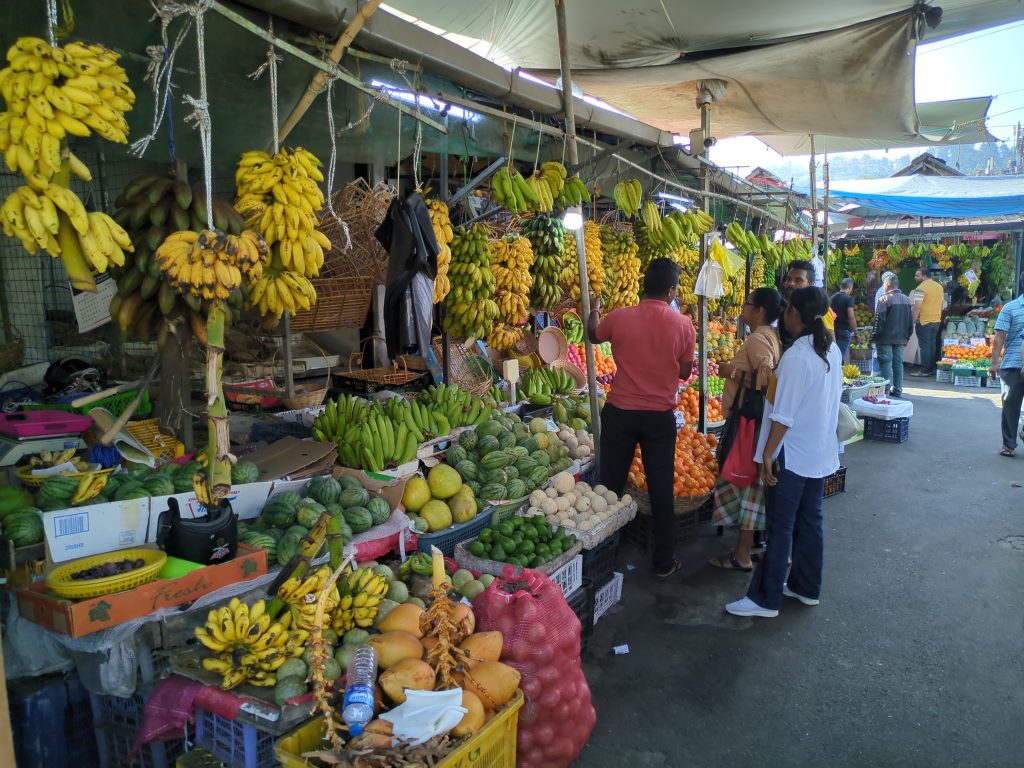
- The rupee is a cash currency outside the cities. Cards work in hotels, supermarkets and bigger restaurants, but tuk-tuks, buses, market stalls and small guesthouses want cash. If a shop adds a surcharge for paying by card, Sri Lanka Tourism says that is illegal.
- Carry small notes. The largest note is LKR 5,000 ($15 · convert), and drivers and small shops often can’t change it. Break big notes in supermarkets and hotels.
- Keep your exchange receipts. You need them to change unspent rupees back before you leave. Our money guide explains cards, ATMs and the QR payment apps.
- Check the bill before you tip. Many hotel and restaurant bills add a 10% service charge. Where it hasn’t been added, or for drivers and guides, a tip for good service is appreciated. See tipping in Sri Lanka.
Phones and the internet
- Bring your passport to buy a SIM. A Sri Lankan SIM has to be registered in your own name. The phone companies have 24-hour counters in the airport arrivals hall. Our SIM and eSIM guide compares the tourist plans.
- Get data before you leave the airport. Ride-hailing apps such as PickMe and Uber need it, and they are the easiest way to avoid haggling over fares in the bigger towns.
Getting around
- Distances lie. Roads in the hills are narrow and winding, and towns are slow to cross. Plan on fewer places and longer travel days than the map suggests. How many days you need shows what fits into a trip.
- The famous train is still being repaired. Cyclone Ditwah damaged the hill-country line in November 2025, and it is reopening in stages. The travel update at the top of our train travel guide has the current state of each section.
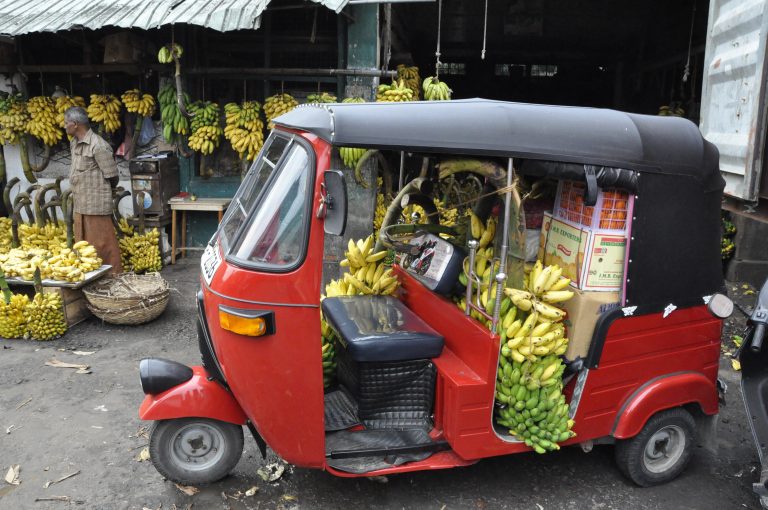
- Agree the fare first. With a tuk-tuk, settle the price before you get in, or book through an app. Our guide to scams and touts covers the tricks.
- Think twice about driving yourself. Traffic drives on the left, and official travel advice describes driving here as erratic and accident-prone, especially at night. You also need a Sri Lankan permit as well as your home licence. Canada’s travel advice suggests hiring a driver instead, and many visitors do. See getting around Sri Lanka.
Weather
- There are two monsoons, not one rainy season. From December to March the south and west coasts and most of the hill country are at their driest; from May to September it’s the east coast and the north. October and November are wet almost everywhere. Choose your coast by the month: see the best time to visit.
- Do the hills early. Cloud and mist often close in on viewpoints by early afternoon, so start walks at dawn.
Temples, Poya and manners
- Shoulders and knees covered, shoes and hats off at temples. A light scarf or sarong in your daypack solves most problems.
- Don’t pose with Buddha statues. Photograph the statue, but don’t stand in front of it or beside it for a picture, and never with your back to it.
- Poya days are dry. Every full moon is a Poya, a public holiday when liquor shops and bars close. Check our festival and Poya calendar before you plan a celebration dinner.
- Use your right hand to eat and to give or take things, and take your shoes off before going into someone’s home.
- Nude and topless sunbathing aren’t allowed, and away from the beach people dress modestly.
- Carry your passport. UK government advice says you must carry it as ID.
- Ask before you fly a drone. Every flight needs approval from the Civil Aviation Authority; see our drone rules guide.
Language
Sinhala and Tamil are the official languages, with English as the link language. Sri Lanka Tourism says most people have some English and signboards are often in English too, so you can get by on the main routes without learning a word. Off them, a smile and a little patience go a long way. Ayubowan (“may you live long”) is the Sinhala greeting, said with the palms pressed together.
Health and safety
- No malaria, but dengue. The World Health Organization certified Sri Lanka malaria-free in 2016. Dengue mosquitoes bite by day, so use repellent from morning to evening. Our health guide covers vaccines, rabies and drinking water.
- Treat the sea with respect. Many beaches have strong rip currents at some times of year and most have no lifeguards. Ask locally where it’s safe to swim, and see our guide to swimming safety and rip currents.
- Keep your distance from wild elephants. Stay in the jeep in national parks, and never walk or cycle up to an elephant on the road for a photo.
- Save the numbers. Police 119, ambulance 1990, and the Sri Lanka Tourism hotline 1912, which can connect you to the Tourist Police. Our travel safety guide has more.
Frequently asked questions (FAQs)
Do I need a visa for Sri Lanka?
Yes, in the form of an ETA, applied for online at eta.gov.lk before you travel. It has been free for citizens of 40 countries since 25 May 2026, but you still have to apply.
What plugs does Sri Lanka use?
The standard socket is the British-style three-pin Type G, and older buildings still have round-pin Type D sockets. The supply is 230–240 volts, 50 Hz.
Is Sri Lanka a cash country?
Mostly, outside hotels, supermarkets and bigger restaurants. Carry small notes, because drivers and small shops often can’t change a LKR 5,000 ($15 · convert) note.
What should I not do in Sri Lanka?
Don’t pose for photos with Buddha statues, show a Buddha tattoo, wear shorts or sleeveless tops into temples, sunbathe topless or fly a drone without approval.
Should I tip in Sri Lanka?
Check the bill first, because many hotels and restaurants add a 10% service charge. Where it isn’t included, a tip for good service is appreciated.
What time zone is Sri Lanka in?
Sri Lanka Standard Time, UTC+5:30, the same as India.
Header photo: Bergentroll / Wikimedia Commons, CC0.