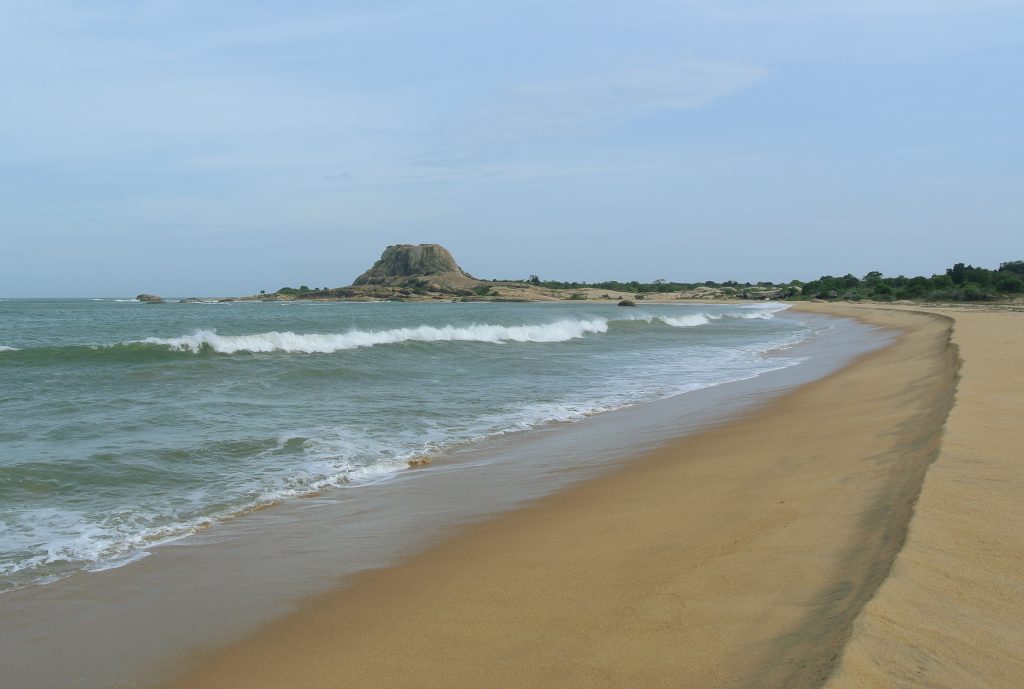

Yala National Park lies on the Indian Ocean coast in south-eastern Sri Lanka, across Hambantota and Monaragala districts. The Department of Wildlife Conservation (DWC) manages it. It became a wildlife sanctuary in 1900 and a national park in 1938, and today it is best known for its leopards, elephants and birdlife.
Is it worth visiting?
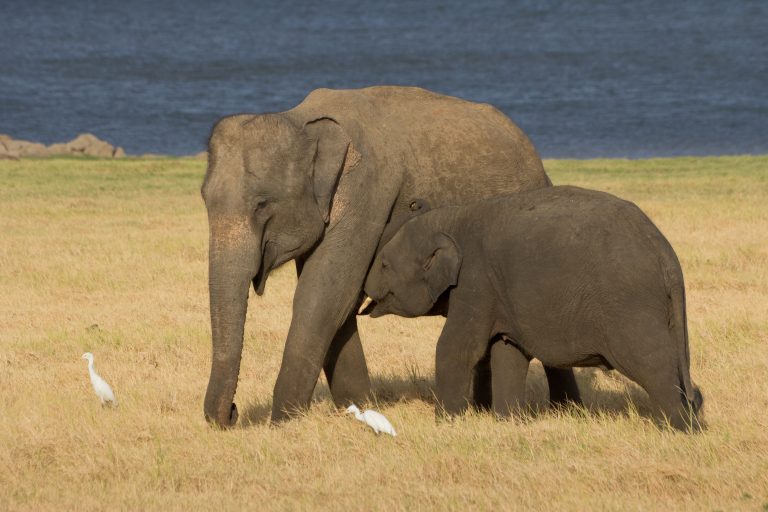
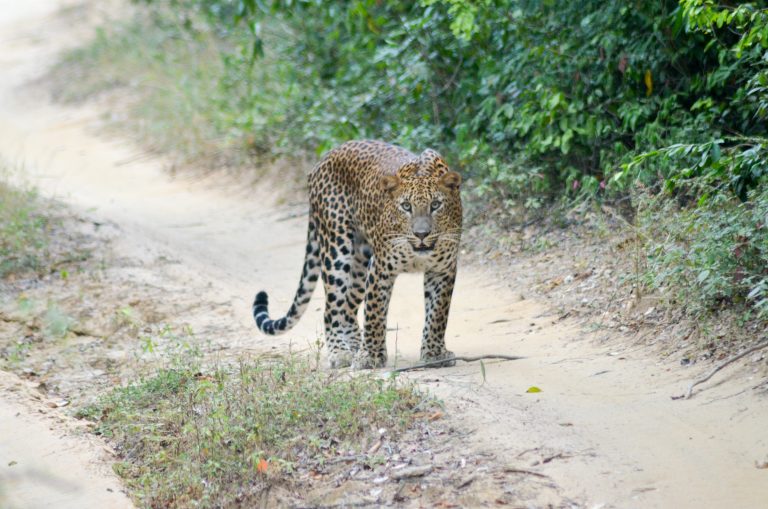
Go if you want a chance of seeing a Sri Lankan leopard. Yala has one of the highest leopard densities in the world. Elephants, water buffalo, spotted deer and crocodiles are also common sights on a jeep safari.
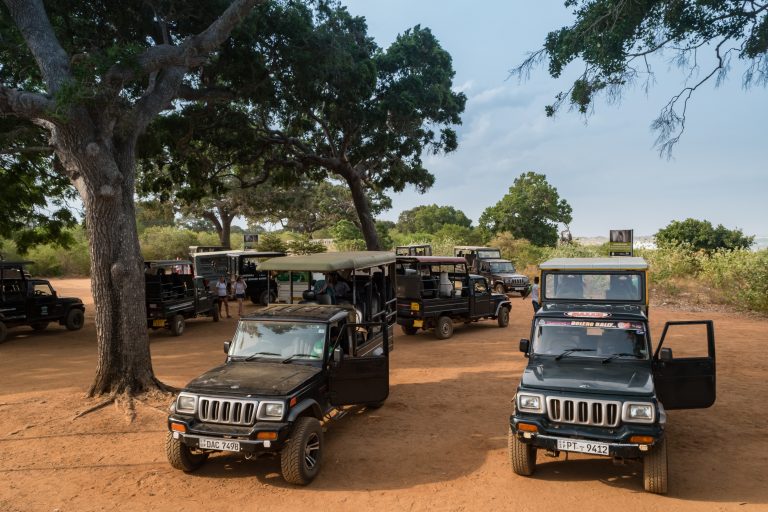
Think twice if you dislike crowds. Block I, where most safaris go, is very busy, and jeeps often bunch around a leopard sighting. The park can also close in part during drought or after heavy rain (see below).
Annual closure and the 2026 dates
The DWC has traditionally closed the park in the driest months, around September and October. That is when water and food run short and the animals need rest. In 2026 it closed Blocks I and II from 14 September, for a planned month, because of drought. Several water sources inside the park had dried up, so wildlife officers were pumping water from the Menik Ganga. They also brought in water by bowser to fill the ponds. The department announced that both blocks would reopen to visitors on 16 October 2026.
Weather can close the park at short notice at other times too. Heavy rain closed the Palatupana entrance in February 2025. Then, in the heavy rains of late November 2025 (Cyclone Ditwah), most of Yala closed; the DWC began reopening parks to day visitors from 1 December 2025. The travel update at the top of this page shows any current closure.
Blocks and entrances
For administration the DWC divides Yala into blocks (also called zones). Blocks I and II are in Hambantota District and Blocks III to V in Monaragala District. The Yala Strict Nature Reserve adjoins them.
- Palatupana: the main entrance and park headquarters, reached from Tissamaharama via Kirinda. This is the way into Block I, the most visited part of the park. There is a visitor information centre at the gate.
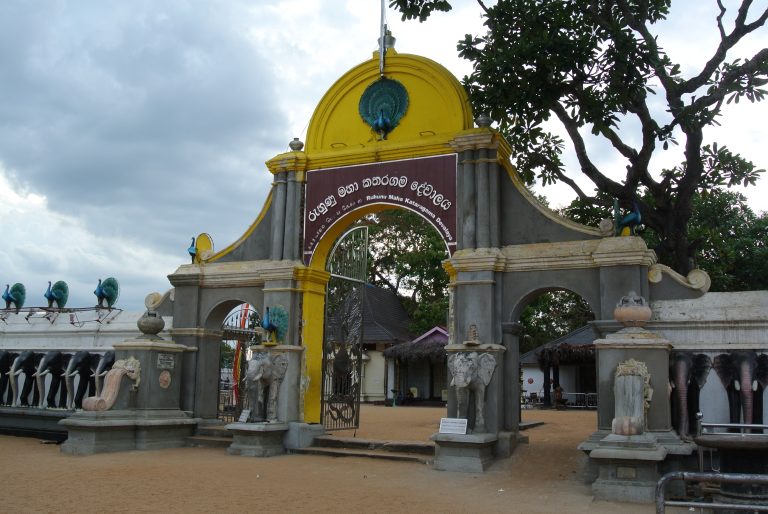
- Katagamuwa: the DWC also describes a route into the park from Kataragama via Katagamuwa.
Leopards and other wildlife
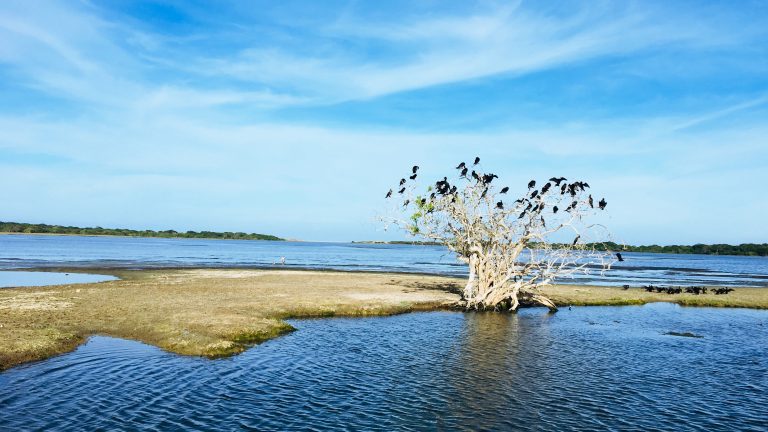
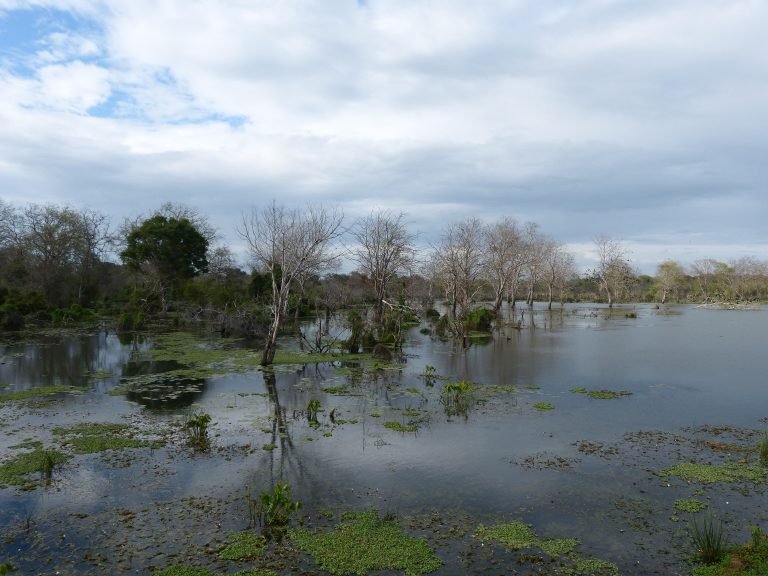
The DWC describes Blocks I and II as the best areas for leopards. Sri Lanka Tourism advises that dawn and dusk are the best times for a safari. Besides leopards you may see elephants, water buffalo, spotted deer, sambar, sloth bears, and both mugger and saltwater crocodiles near the water. The park’s lagoons and tanks draw water birds such as painted storks, black-necked storks and spot-billed pelicans. Migrant birds also stay in and around the park from September to March.

Two Buddhist pilgrimage sites, Sithulpawwa and Magul Vihara, are inside the park and are still places of worship.
Safari rules and recent enforcement
Crowding by safari jeeps around leopards is a long-running problem at Yala. Recent cases show how the DWC enforces the rules:
- Stay in the vehicle: in June 2026 five visitors were arrested for walking outside their jeeps at Sudu Weli Mulla, in breach of park rules, and were to be produced before the Tissamaharama Magistrate’s Court.
- Drive slowly and keep your distance: vehicles have killed a young leopard and a jungle cat in the park. In April 2026 the DWC investigated reports that a safari vehicle had hit a well-known male leopard, Lucas, and suspended a jeep while it did so. Later reports said Lucas was in good health. Mandatory driver training, fines and licence suspensions are among the measures in place. The park warden has also asked drivers to switch off their engines near animals.
- No pork: since October 2024 the DWC has banned raw pork and pork products in all national parks until further notice. The ban protects wild boar from a disease found in domestic pigs.

Permits, tickets and where to stay
- Permits: the DWC issues park permits, and you can reserve a day permit online: see the DWC’s day-permit booking guide. The booking asks for your group (including the driver and any guide) and your vehicle. Keep the receipt, ideally printed with its QR code, to show at the park entrance.
- Fees: the DWC website does not currently show a fee table. A gazette last revised the fees from 2 September 2022, so confirm the price when you book.
- Bungalows: the DWC runs tourist bungalows inside the park, booked through the DWC. A stay runs from 1 pm on the first day to 10 am on the day you leave.
- Base: most visitors stay in or around Tissamaharama, the town closest to Palatupana.
Yala fits into a trip along the south coast from Galle, or a loop down from the hill country around Ella past Ravana Falls. If you only have time for one park, see Yala or Udawalawe, or Wilpattu or Yala for the quieter leopard park in the north-west. For the other parks with leopards and how to improve your chances, see where to see leopards in Sri Lanka. For a quieter safari next door, see Yala or Kumana.
Frequently asked questions (FAQs)
Is Yala National Park open all year?
Not always. The DWC has traditionally closed the park in the driest months, around September and October, and heavy rain can close it at short notice. The travel update at the top of this page shows any current closure, so check with the DWC before you go.
Where is the main entrance to Yala?
At Palatupana, reached from Tissamaharama via Kirinda. It is also the way into Block I, the most visited part of the park.
Which part of Yala is best for leopards?
The DWC describes Blocks I and II as the best areas for leopards, and Sri Lanka Tourism says dawn and dusk are the best times for a safari.
Can you get out of the jeep in Yala?
No. Walking outside your vehicle breaks park rules; in June 2026 five visitors were arrested for doing so.
Header photo: Adbar / Wikimedia Commons, CC BY-SA 3.0.