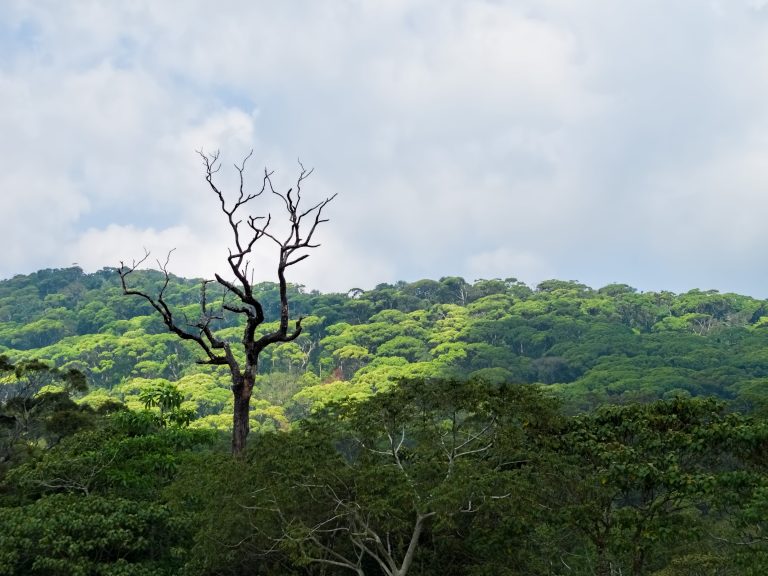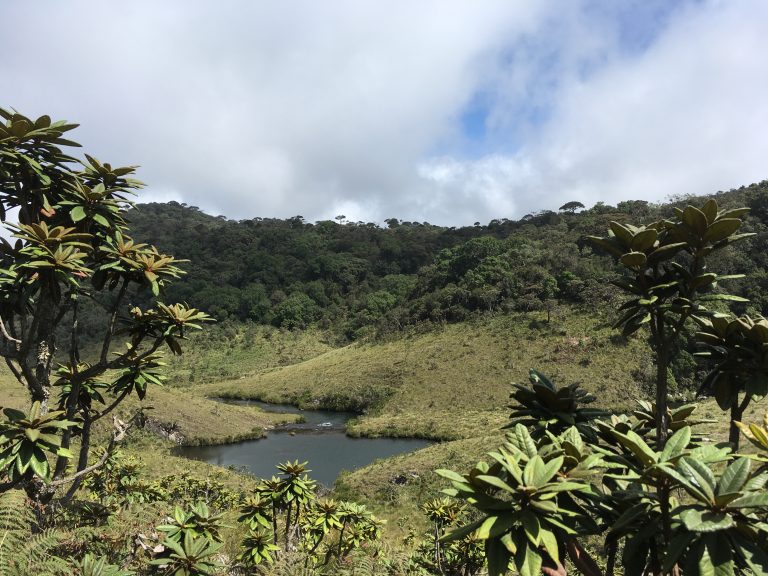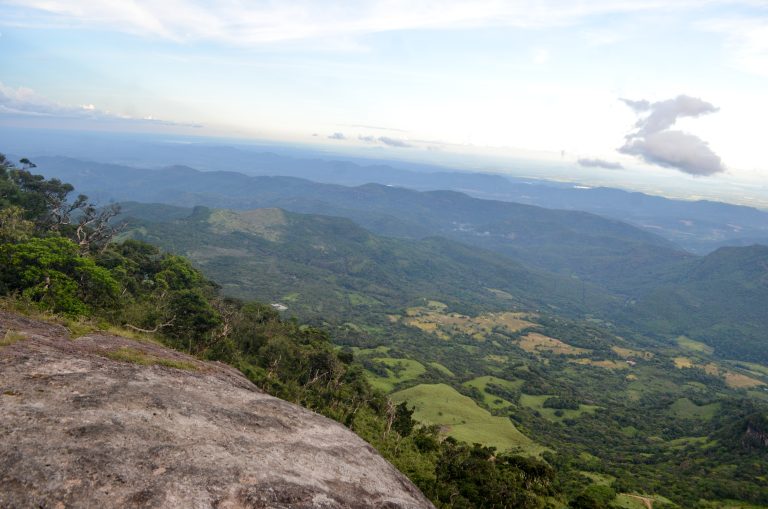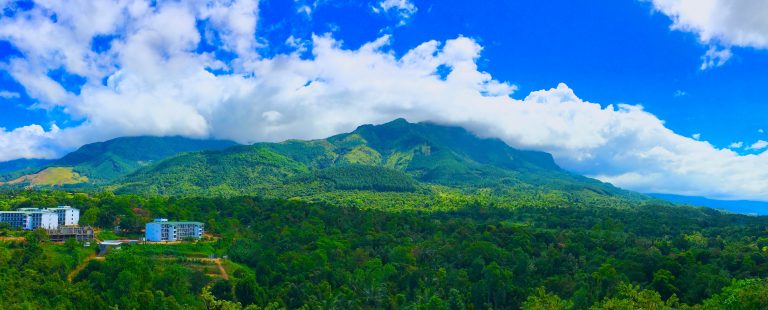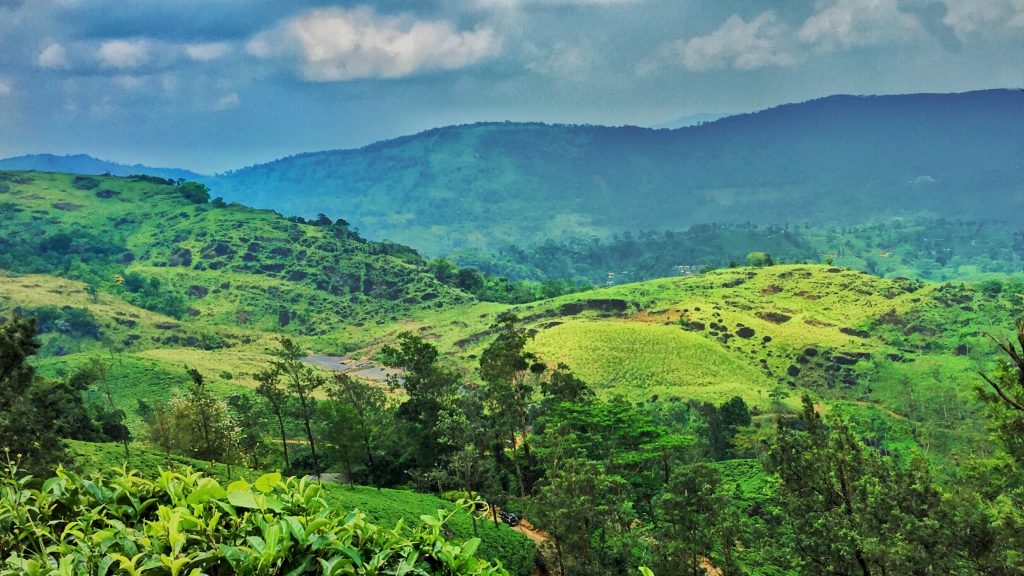
Deniyaya is a small tea town in the hills of Matara District, on the A17 road inland from Galle and at the southern edge of the Sinharaja rainforest. It was founded in 1904 beside the Gin Ganga to serve the surrounding tea estates, and the river still rises in the Gongala hills nearby. Most visitors come for one reason: it is the base for the Deniyaya side of Sinharaja Forest Reserve, the side you reach from the south coast.
Is Deniyaya for you?
Go if you’re on the south coast and want a day or two in the rainforest without the long drive round to the Kudawa entrance, and you’re happy with a simple guesthouse among tea bushes and an early night.
Think twice if you dislike rain, leeches and damp clothes, or you’re travelling from Colombo, because the Kudawa side, reached by the Kalawana–Weddagala road, is the easier approach from there.
Which side of Sinharaja?
Sinharaja has four main access roads, and the forest guide covers them all. The choice that matters here is simple. Sri Lanka Tourism names the north-western Kalawana–Weddagala road as the closer and easier one from Colombo. The south-eastern Deniyaya–Pallegama road is the one that makes sense if you’re coming up from Galle, Matara or the beaches, and recent visitors (2025) coming from the south coast use it, by bus to Deniyaya and then by tuk-tuk.
So if your trip runs Colombo, hill country, south coast, Deniyaya fits as a detour inland from the coast rather than a stop on the way down from Colombo.
The town and the tea
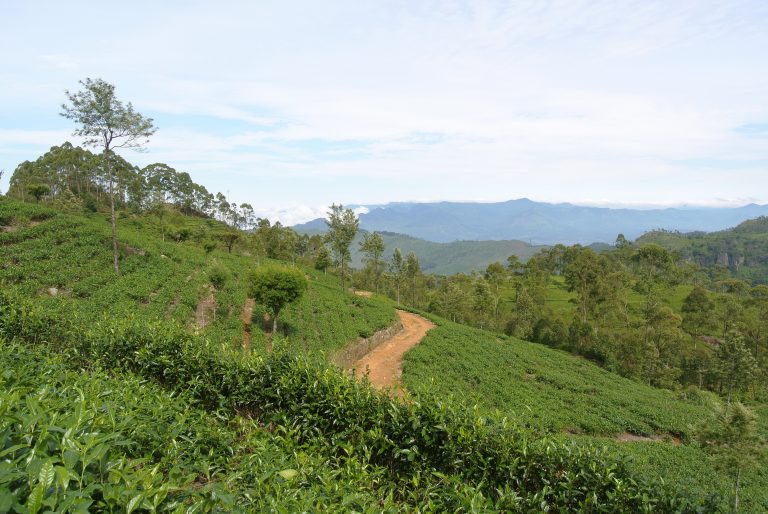
Deniyaya is a working town, not a resort. Tea is the main living here, alongside some vegetable growing, and the estates run right up to the forest edge; tea cultivation has spread into areas close to Sinharaja. Recent visitors (2025–26) describe the places to stay as small and nature-focused: family guesthouses, eco-lodges and old estate bungalows rather than big hotels, many of them out of town towards the forest. Ask yours about transport to the entrance when you book.

From Deniyaya into the forest
The road to the forest leaves town for Pallegama and Mederipitiya, where the Deniyaya-side entrance is. Recent visitors (2025) take a tuk-tuk from town or arrange the ride through their guesthouse, buy tickets at the entrance and walk with a guide, hired at the gate or booked through where they’re staying. We could not confirm the current fee or opening hours from an official source, so check with your guesthouse the evening before.
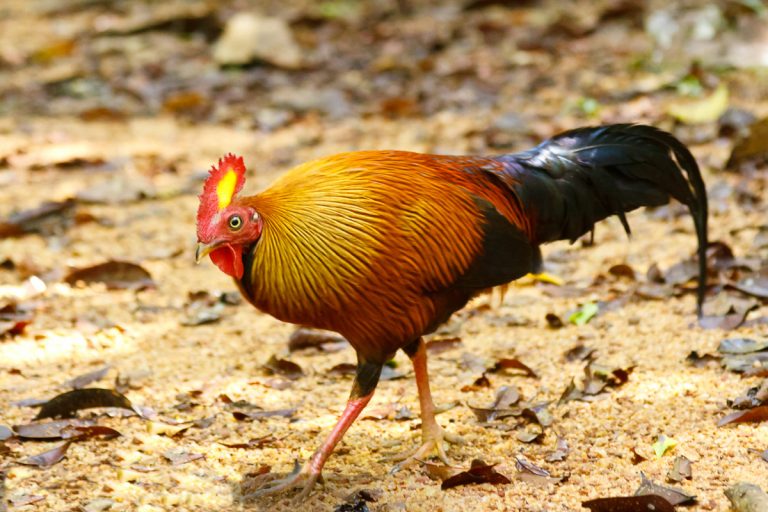
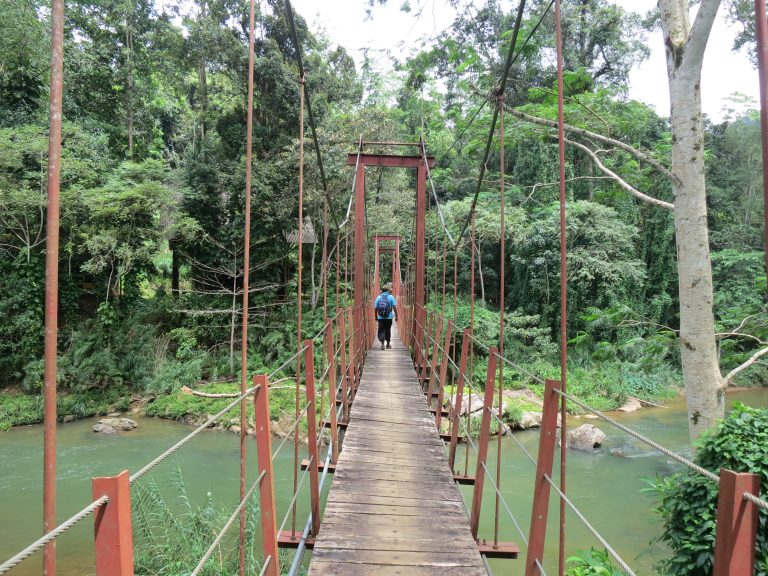
Recent visitors report a swimming spot at a waterfall, Kekuna Ella, on one of the Deniyaya-side routes. For what lives in the forest, the birds, the history of the reserve and when it is wettest, read our Sinharaja guide; this side of the forest is the same rainforest, just a different door.
Start early, while it is still cool, and give yourself time to dry off and warm up afterwards.
Rain, leeches and landslides
Deniyaya’s cool, wet climate is the reason both the tea and the forest grow so well, and you’ll feel it. Sri Lanka Tourism suggests August to September and January to April for Sinharaja, and warns about leeches. Recent visitors say leeches turn up even outside the forest after rain, and that wet clothes can take a couple of days to dry, so pack quick-drying layers and leech socks.
After heavy rain, the hill roads of this part of Matara District, including around Kotapola on the A17, regularly appear in landslide warnings from the National Building Research Organisation (NBRO). If it has rained hard, check the latest NBRO warnings and ask locally before driving or walking near streams. Recent visitors also point out that there are no lifeguards at the waterfalls around town, so heed local warnings and keep out of the water when it is high.
Beyond town
Head north on the A17 and the road crosses Suriyakanda towards Rakwana, the town on the north-eastern, Rakwana–Morningside approach to the forest. Buses also run between Deniyaya and Ratnapura, the gem town, if you’re heading inland rather than back to the coast.
South, the same road drops through Kotapola, Morawaka and Akuressa to the coast. That makes Deniyaya an easy pairing with Matara or Galle: two nights inland, then back to the sea.
Getting there
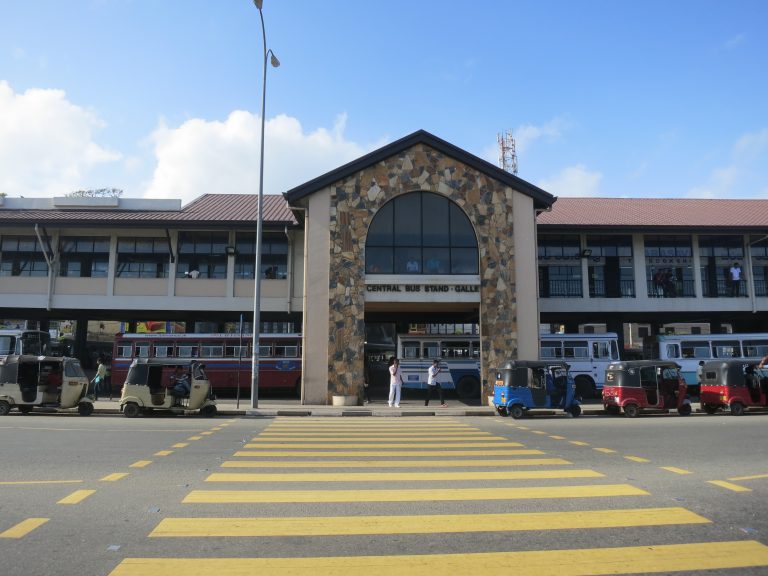
By road, the A17 runs from Galle through Akuressa, Morawaka, Kotapola and Deniyaya, then on over Suriyakanda and Rakwana to Madampe. Buses run to Deniyaya from Matara through Akuressa, and less often from Galle and Ratnapura; recent visitors use the 360 from Matara and the 375 from Galle. Without a car, the simplest route is the train along the coast to Matara and a bus inland from there.
Frequently asked questions (FAQs)
Is Deniyaya a good base for Sinharaja?
Yes, if you’re coming from the south coast. Deniyaya is the base for the south-eastern side of the forest, reached via Pallegama and Mederipitiya. From Colombo, the Kudawa side is easier.
How do you get to Deniyaya?
On the A17 from Galle via Akuressa, or by bus from Matara through Akuressa, with fewer buses from Galle and Ratnapura. Without a car, take the train to Matara and the bus inland.
Do you need a guide on the Deniyaya side of Sinharaja?
Recent visitors report that you walk with a guide, hired at the entrance or through your guesthouse, and that tickets are sold at the gate.
When is the best time to visit Deniyaya?
Sri Lanka Tourism suggests August to September and January to April for Sinharaja. Expect rain and leeches at any time, especially after wet spells.
Is Deniyaya in the hill country?
It is in the hills of Matara District in the Southern Province, with a relatively cool climate, but it is a long way from the central tea highlands around Ella and Nuwara Eliya.
Header photo: Rajike Dewasurendra / Wikimedia Commons, CC BY-SA 4.0.