Check before you travel Pekoe Trail: Stage 2 closed, alerts on eight stages Checked 19 October 2026
The Pekoe Trail’s Trail Watch, updated on 17 October 2026, lists Stage 2 as temporarily closed for hikers’ safety, with an alternative Stage 2B route planned. Stages 3, 4, 7, 9, 12, 18, 19 and 20 are under an Amber (Orange) Alert, and all other stages under a Yellow Advisory because of the north-east monsoon. Check the trail’s website or Trail Watch in the app before you start a stage.
Check before you travel Hill-country railway: repairs after Cyclone Ditwah Checked 19 October 2026
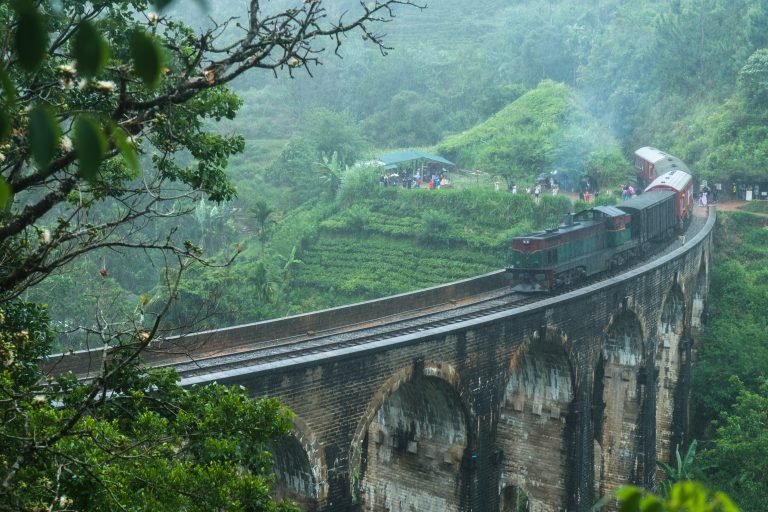
Cyclone Ditwah damaged the hill-country railway in November 2025, and it is reopening in stages. Since 2 October 2026, trains run again from Colombo Fort to Peradeniya and Gampola, but Kandy station itself is not served yet. Earth slips near Kadigamuwa have blocked the line more than once since then, most recently early on 17 October 2026, when trains towards Gampola and Colombo Fort were delayed; expect delays or short suspensions after heavy rain. Trains between Nanu Oya and Badulla, which stop at Haputale, Ella and Demodara, restarted on 20 June 2026. The section between Gampola and Nanu Oya is still under repair, so you cannot yet go by train from Colombo or Kandy all the way to Ella. Check the latest services before you plan a rail journey, and book reserved seats on the Sri Lanka Railways seat reservation site.
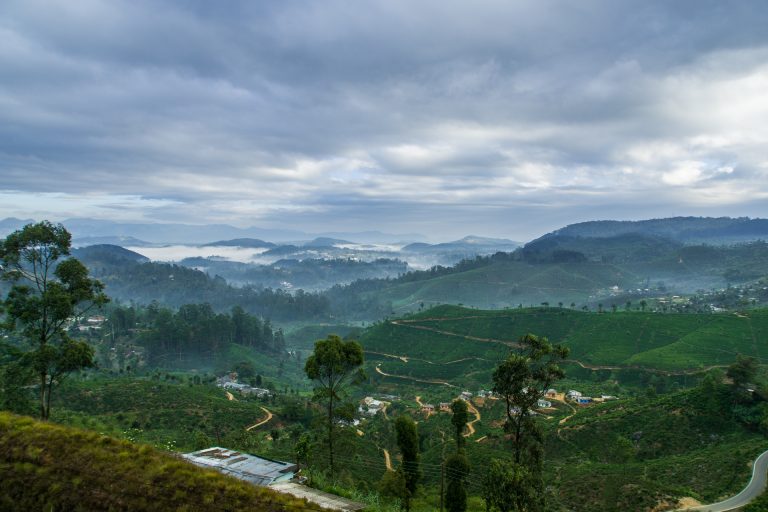
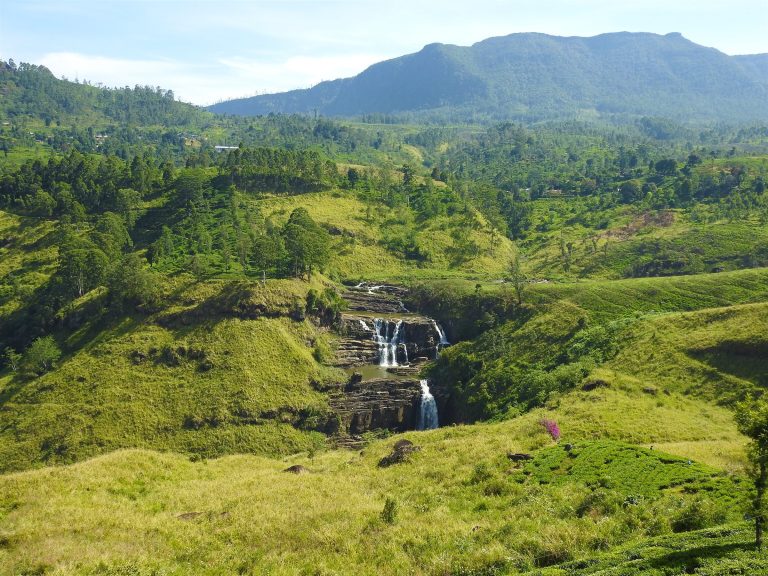
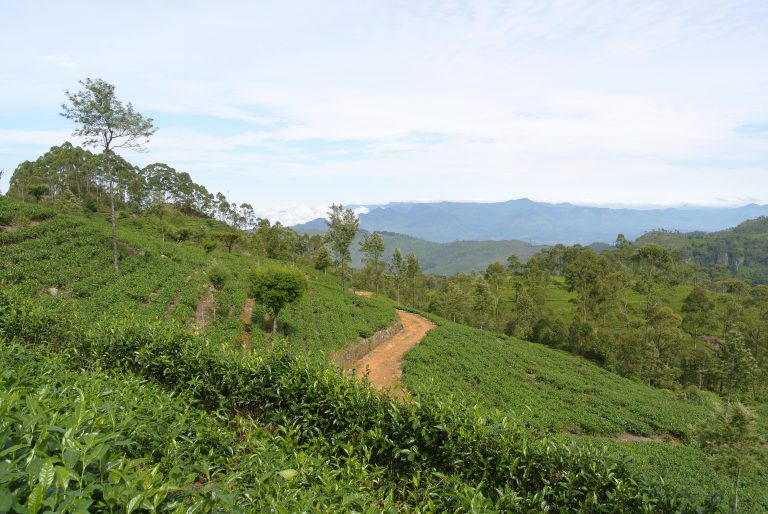
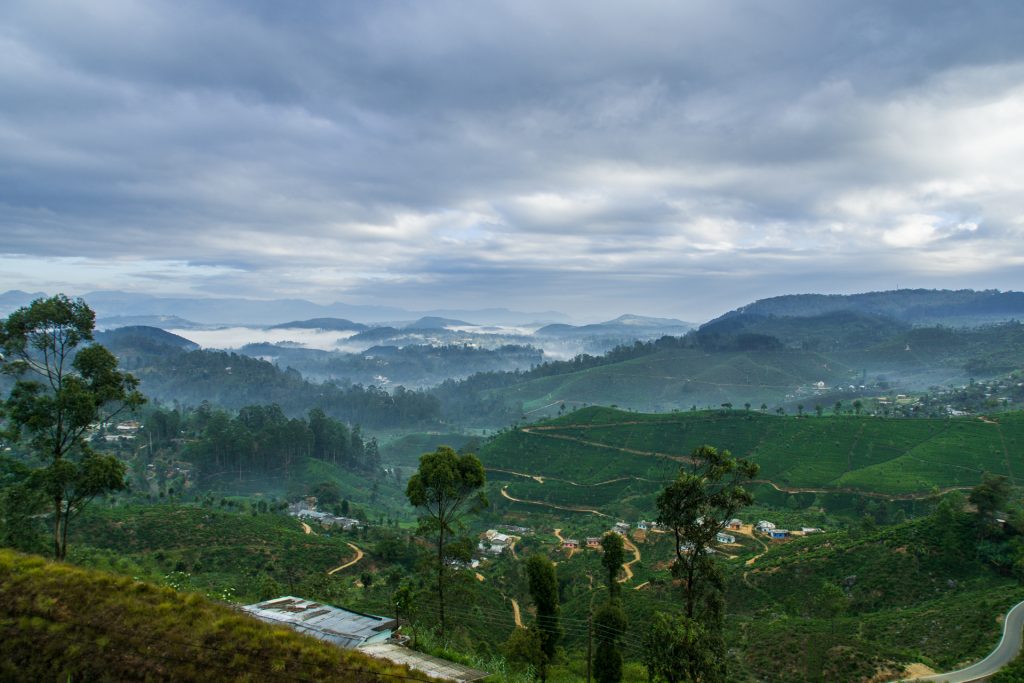
The Pekoe Trail is a long-distance walking route of about 300 km through Sri Lanka’s tea country, split into 22 stages. It follows old estate roads, village paths and stretches beside the railway that once tied the plantations together, from the hills above Kandy through Hatton, Haputale and Ella to the edge of Nuwara Eliya. You can walk it end to end, or pick a stage or two and walk them as day hikes.
It is run by a non-profit, the Pekoe Trail Company, and it has been showered with praise: TIME named it one of the World’s Greatest Places in 2025. Before you go, check the trail’s official site for closures; see also the travel update at the top of this page.
What it’s like to walk
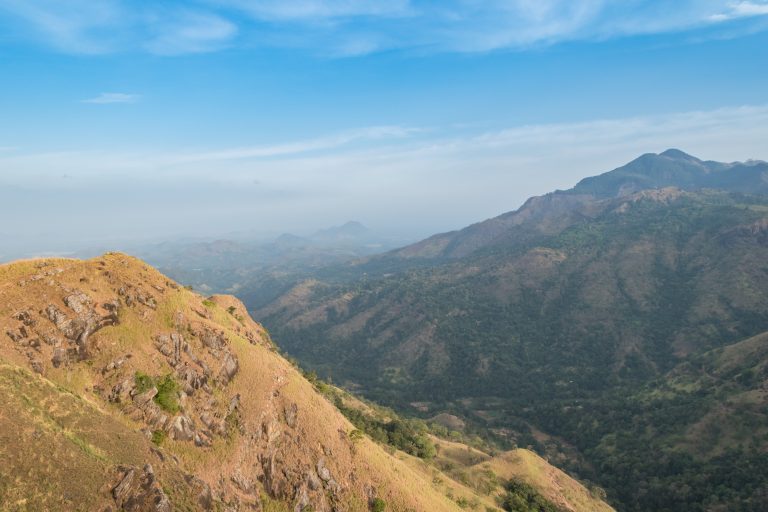
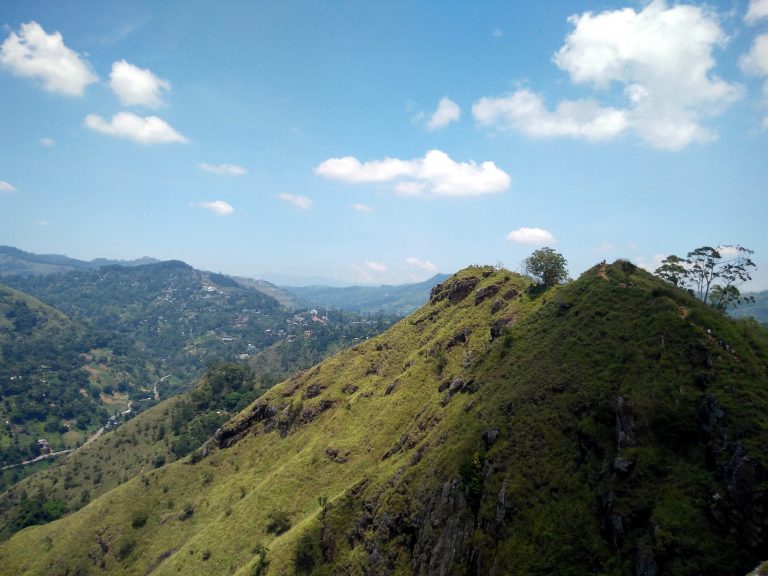
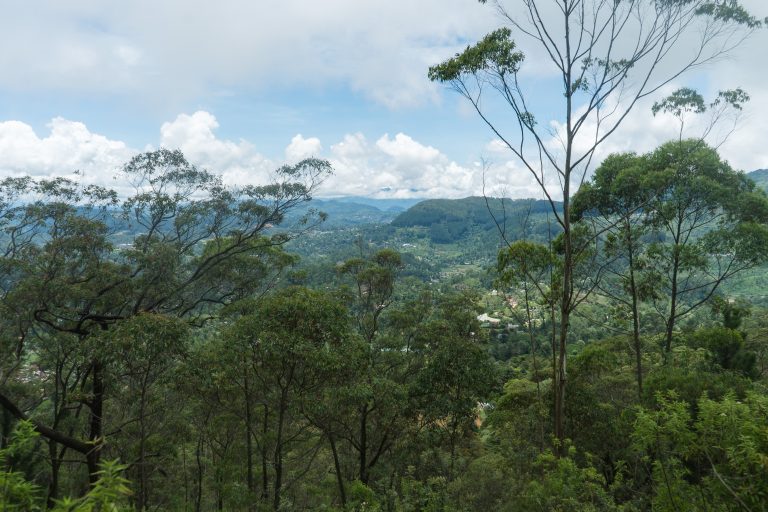
This is a working landscape, not a wilderness trek. You’ll pass villages, tea factories, temples and long views rather than a single summit, and share the path with tea pluckers, dogs, motorbikes and the odd tuk-tuk; many stages follow estate roads rather than narrow trails. You don’t need to be a mountaineer, but you do need to be happy walking for several hours in the heat or the rain.
How the trail works
- Stages. There are 22, each a day’s walk between two villages or towns. Stage 1 starts at the Ceylon Tea Museum on the Hantana estate above Kandy and ends at Galaha. Stage 22 runs from Kandapola to Pedro Estate, just outside Nuwara Eliya.
- Navigation. The trail has its own signage, and the official Pekoe Trail app gives turn-by-turn navigation and the stage maps. Download the stages you need before you set off, as the signal comes and goes in the hills.
- Getting to and from the stages. Each stage runs one way, so plan the trip back before you start: a train, a bus or a tuk-tuk booked through your guesthouse.
The trail pass
The trail asks hikers for a suggested contribution of US$10 per stage for overseas visitors and Rs 600 ($1.81 · convert) per stage for Sri Lankan residents. It is voluntary, the trail stresses that it is not an entry fee, and nobody checks passes on the path. It pays for maintenance, signage, the app and work with local communities, and registering also lets the trail contact hikers if there’s an incident on a stage.
You buy it on the web portal or in the app, choosing the stages you plan to walk; the pass then sits in the app under your email. Some stages cross land with its own fees. The stages through Horton Plains National Park need the park’s own ticket from the Department of Wildlife Conservation, which the trail pass doesn’t cover.
Choosing a stage
If you only have a day, choose by where you’re staying:
- From Kandy: Stage 1, from the Ceylon Tea Museum to Galaha, is the start of the trail and the easiest to reach.
- From Ella and Haputale: the stages around Ella and Haputale take in some of the best-known tea scenery and fit neatly into a stay there. Our guide to hiking around Ella covers the shorter walks.
- From Nuwara Eliya: the final stage ends at Pedro Estate, where you can finish with a factory visit.
Stage lengths vary, so check the distance and the climbing on the app before you commit, and plan to finish well before dark.
Weather, closures and safety
The trail runs through the wettest parts of the hill country, and both monsoons affect it. In heavy rain, landslides close sections and paths turn to mud. The trail posts a Trail Watch status for every stage, from a yellow advisory to closures, and it asks hikers to check it before starting. Mornings are usually the clearest time to walk; in the hills, cloud and mist often build by early afternoon.
- Leeches are common after rain. Long socks, repellent and closed shoes help.
- Carry water and snacks. Shops are few on some stages.
- Dogs live on most estates and are usually more noise than trouble; keep walking calmly.
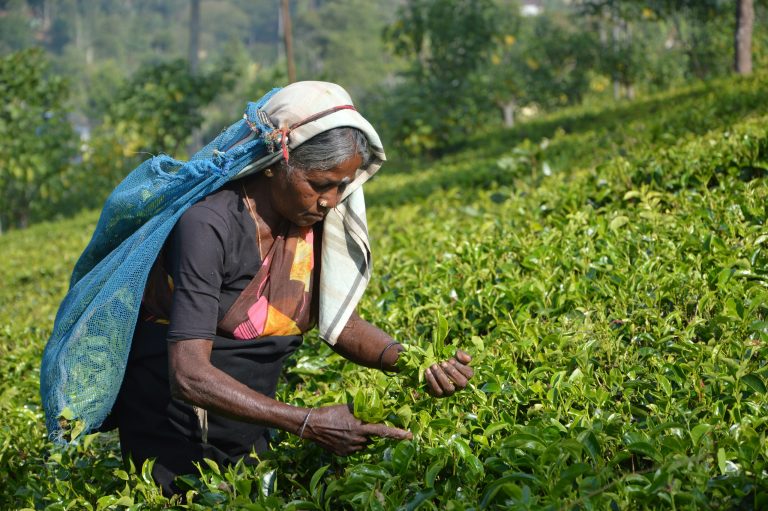
- Respect the estates. You’re walking through people’s workplaces and homes. Keep to the path, don’t pick tea and ask before photographing pluckers.
Where to stay
The trail’s website lists accommodation along the route. If you want to walk several stages in a row, book a base with good transport, such as Hatton, Haputale or Ella, and use trains and tuk-tuks to reach each day’s start. Parts of the hill-country railway are still under repair, so check the travel update at the top of this page before you rely on a train.
Frequently asked questions (FAQs)
How long is the Pekoe Trail?
About 300 km, in 22 stages, from the Ceylon Tea Museum near Kandy to Pedro Estate outside Nuwara Eliya, by way of Hatton, Haputale and Ella.
Do you need a pass to walk the Pekoe Trail?
No. The trail asks for a suggested contribution of US$10 per stage for overseas visitors and Rs 600 ($1.81 · convert) for Sri Lankan residents, but it is voluntary and nobody checks passes on the trail.
Which Pekoe Trail stage is best for a day walk?
Choose by where you’re staying: Stage 1 from Kandy, the stages around Ella and Haputale, or the final stage to Pedro Estate near Nuwara Eliya.
Is the Pekoe Trail open?
Most of it, most of the time, but sections close after heavy rain. Check the Trail Watch status on the trail’s website or app before you start.
Do I need a guide for the Pekoe Trail?
Not necessarily. The trail is signposted and the official app has turn-by-turn navigation. A local guide can help with transport and the estate stories.