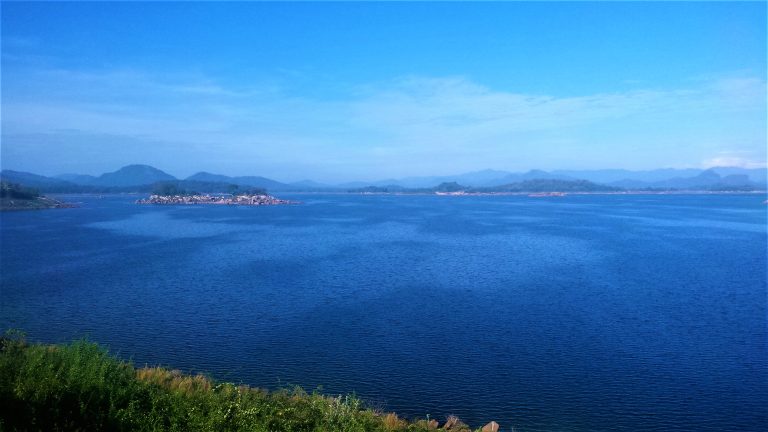
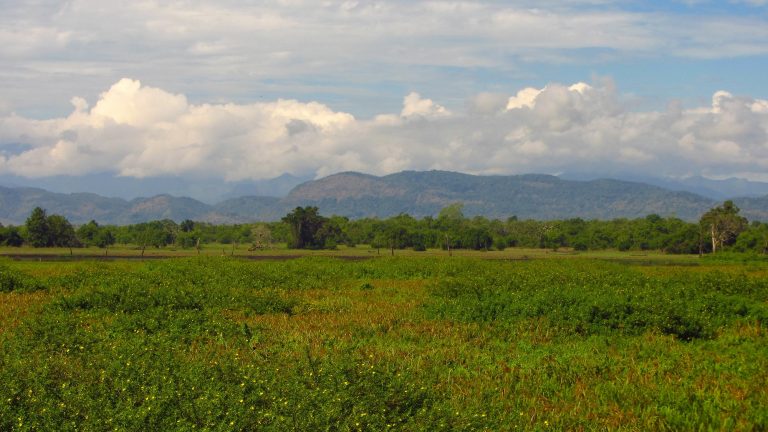
Udawalawe National Park is a dry-zone park around the Udawalawe Reservoir, on the boundary of Sabaragamuwa and Uva provinces and about 165 km by road from Colombo. It is mainly a place to watch elephants from a jeep, across open grassland and scrub. It is also an easy detour between the hill country and the south coast.
Is it worth visiting?
Go if elephants are what you want to see. The park dates from 1972. It protects the reservoir’s catchment and gives a home to animals displaced when the dam was built. The open ground also makes wildlife easier to spot than in a jungle park. You can fit a morning or afternoon safari into a journey without much of a detour.
Think twice if leopards are your main aim. The park has them, but visitors rarely see one. Try our Yala National Park guide for the park known for big cats. Also think twice if you dislike early starts. A safari here means sitting in a jeep in the heat.
What you will see
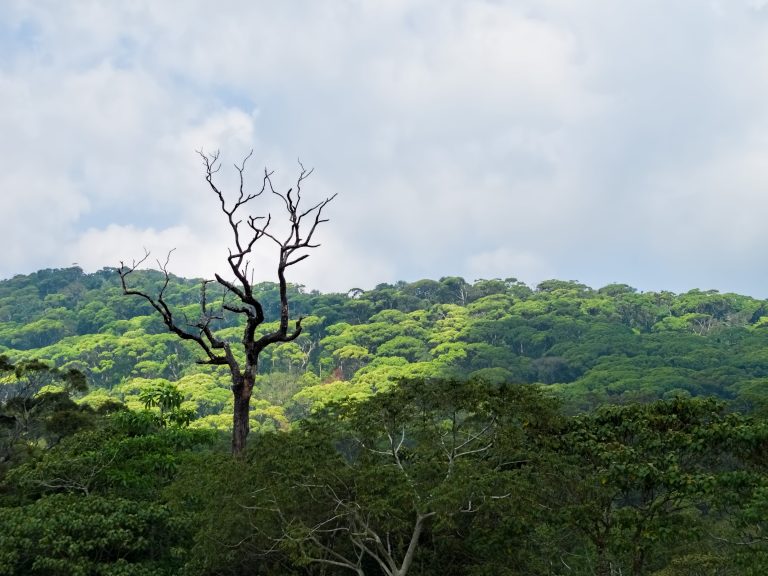
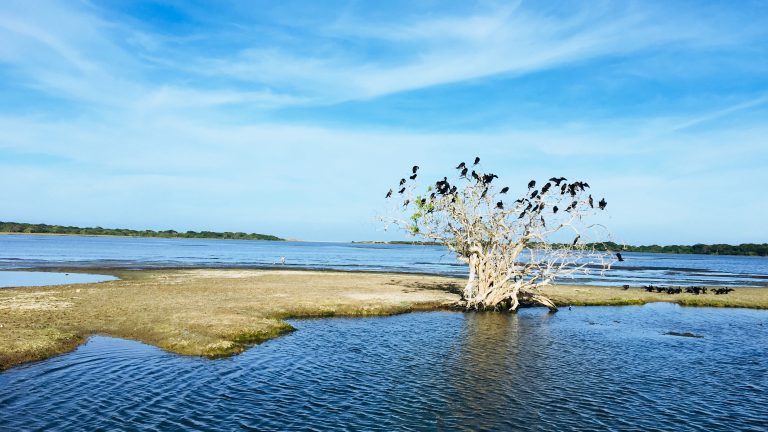
The reservoir sits at the heart of the park, and the shoreline is where most of the action happens. Dead trees still stand in the water, left over from the forest that was there before the dam.

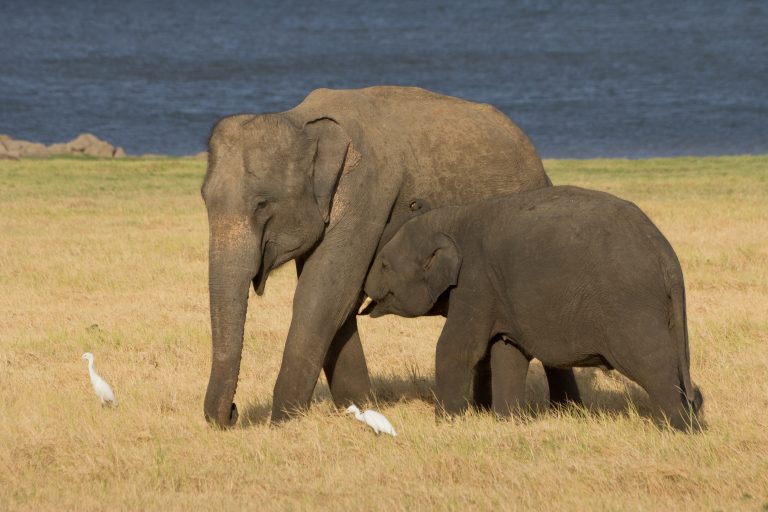
- Elephants: the headline act. Herds often come to the reservoir and the rivers.
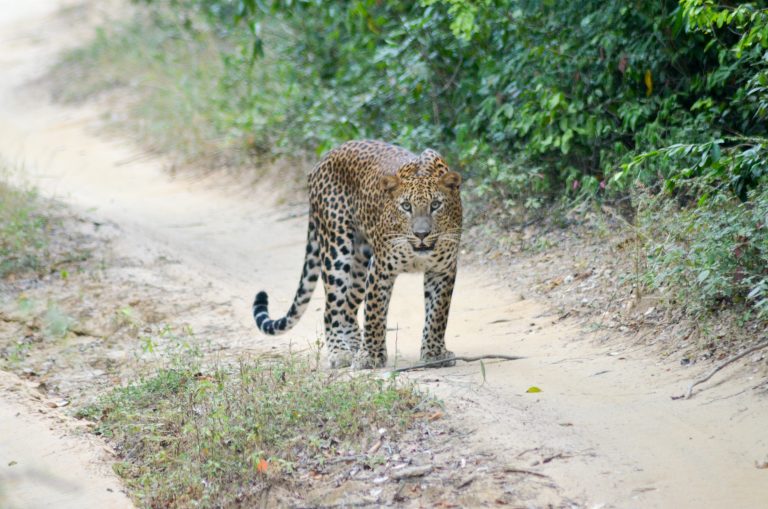
- Other animals: Wikipedia lists sambar and spotted deer, water buffalo, wild boar, jackals, toque macaques and grey langurs. Leopards and sloth bears live here too, but visitors rarely see them.
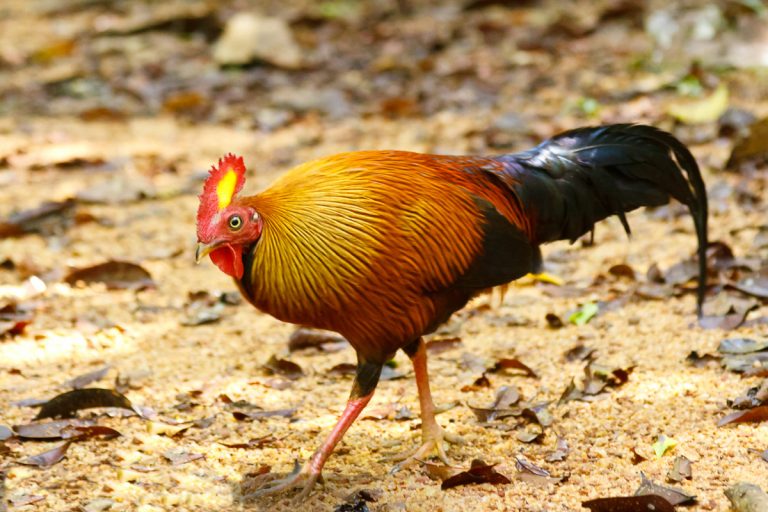
- Birds: Wikipedia and Ceylon Expeditions record about 184 species, 33 of them migratory. Endemics include the Sri Lanka junglefowl and the Sri Lanka grey hornbill. The reservoir also draws water birds such as painted storks and spoonbills. For other birdwatching places, see our guide to birdwatching in Sri Lanka.
Safari practicalities
Entry is by permit from the Department of Wildlife Conservation (DWC). Its site says visitors need a permit, which they pay for at a set fee. We could not find a current fee list on the DWC pages, so we have not quoted prices. Recent visitors (2025–26) report that you buy tickets at the park gate and pay in Sri Lankan rupees. They also say the jeep and driver cost extra, and you book them separately. Operators’ fee figures differ, so confirm the total before you go, using the DWC contact details on the DWC website.
- Jeep with a driver: visitors report that private cars are not allowed in. Safaris run in a 4×4 with a driver-guide, usually for three to four hours.
- Time of day: early morning and late afternoon are the usual advice. Animals are active then, and the light is softer. Midday, though, is hot.
- Season: the park is open all year. Operators suggest the dry months from May to September for the best views. Migratory birds, however, are mostly there from November to March.
- Rules: don’t feed animals, stay in the vehicle and keep your voice down. There is reportedly no mobile signal inside, so download your map first.
- Entrance: one entrance sits near the 11th milepost on the Thimbolketiya–Thanamalwila road.
If a gathering of jeeps worries you, midweek mornings are generally quieter than weekends and holidays, based on visitor reports.
The Elephant Transit Home
Next to the park, the DWC runs the Elephant Transit Home. It opened in October 1995 for orphaned, injured or abandoned calves. The staff raise them there until they can go back into the wild. Visitors can see feeding sessions, but the timetables quoted online disagree. Check the times on arrival and don’t count on an exact slot. It works as an add-on to a safari rather than a substitute for one.
Around Udawalawe
The town of Udawalawe has jeep operators, guesthouses and restaurants. Our Udawalawe destination guide covers where to stay and how to get around. If you are planning a wider trip, see the Sri Lanka wildlife safari itinerary. Then read our responsible travel guide for how to behave around wildlife.
Frequently asked questions (FAQs)
Where is Udawalawe National Park?
On the boundary of Sabaragamuwa and Uva provinces, about 165 km by road from Colombo. The reservoir and its grassland make up the heart of the park.
What can you see at Udawalawe?
Mainly elephants, plus deer, water buffalo, wild boar, monkeys and about 184 recorded bird species. Leopards live here, but visitors rarely see them.
When was Udawalawe National Park created?
It became a national park in June 1972, to protect the reservoir’s catchment and shelter animals displaced by the dam.
Can I drive my own car into the park?
Recent visitors report that you need a jeep with a driver, and that private cars are not allowed. Check at the gate.
What is the Elephant Transit Home?
A DWC centre next to the park, founded in October 1995, that raises orphaned and injured elephant calves for release. The centre posts feeding times on site.
Header photo: M.S Dulan De Silva / Wikimedia Commons, CC BY-SA 4.0.