You’ll eat rice and curry most days in Sri Lanka, and a cooking class is the quickest way to understand what’s on the plate: why there are five small curries rather than one, what goes into a pol sambol, and how a family kitchen turns a coconut into three different ingredients. Classes run in kitchens and gardens all over the island, from homestays in Ella to guesthouses near Galle, and most end with you eating everything you’ve made.
Our Sri Lankan food guide explains the dishes; this page is about choosing and getting the most from a class.
A class suits anyone who likes food and wants a few recipes to take home, and children usually love the hands-on part. It also makes a good plan B for a rainy afternoon in the hills. If you only want to eat, though, skip it: a class takes about three hours, and a good local restaurant serves the same food in a fraction of the time.
What a class usually involves
Recent visitors (2025–26) describe classes of about three to three and a half hours, often in a family’s kitchen or a garden hut, cooking over gas or a wood fire in clay pots. A typical session goes like this:
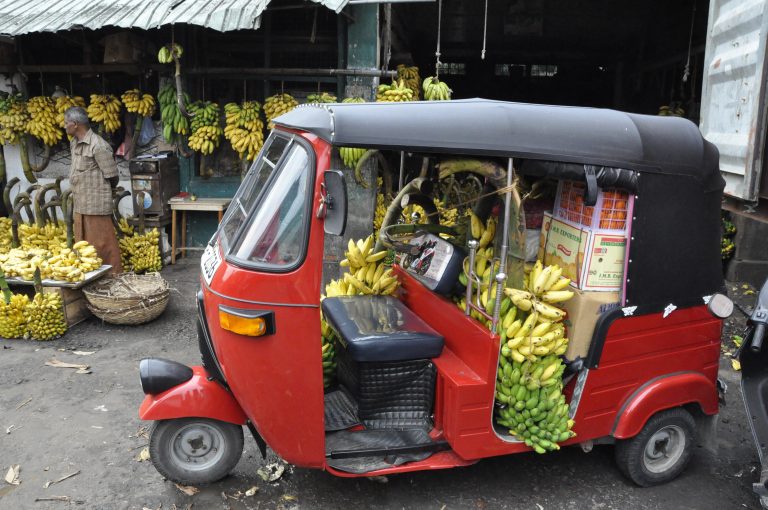
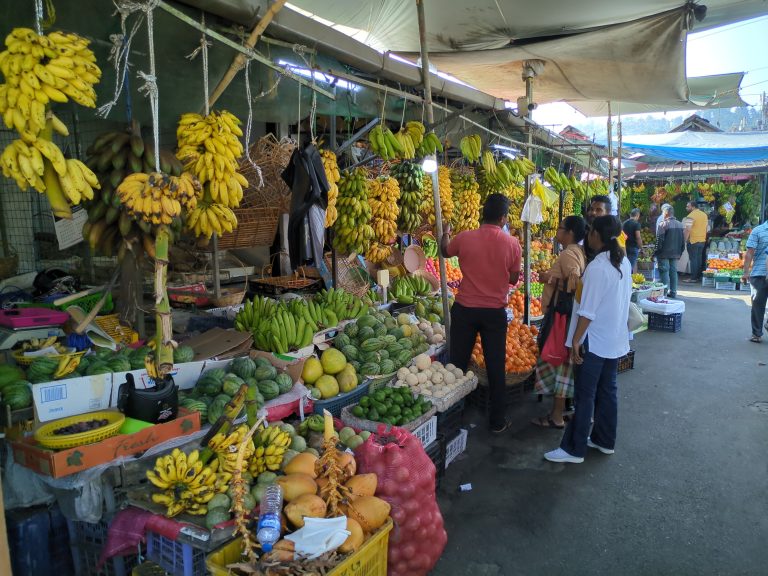
- The market or the garden. Some classes start with a walk round a local market, or the garden, to pick vegetables, herbs and spices; on the coast, some visit the fish market.
- Coconut, three ways. Grated coconut for the sambol, coconut milk for the curries, and coconut oil for frying: coconut runs through the whole cuisine.
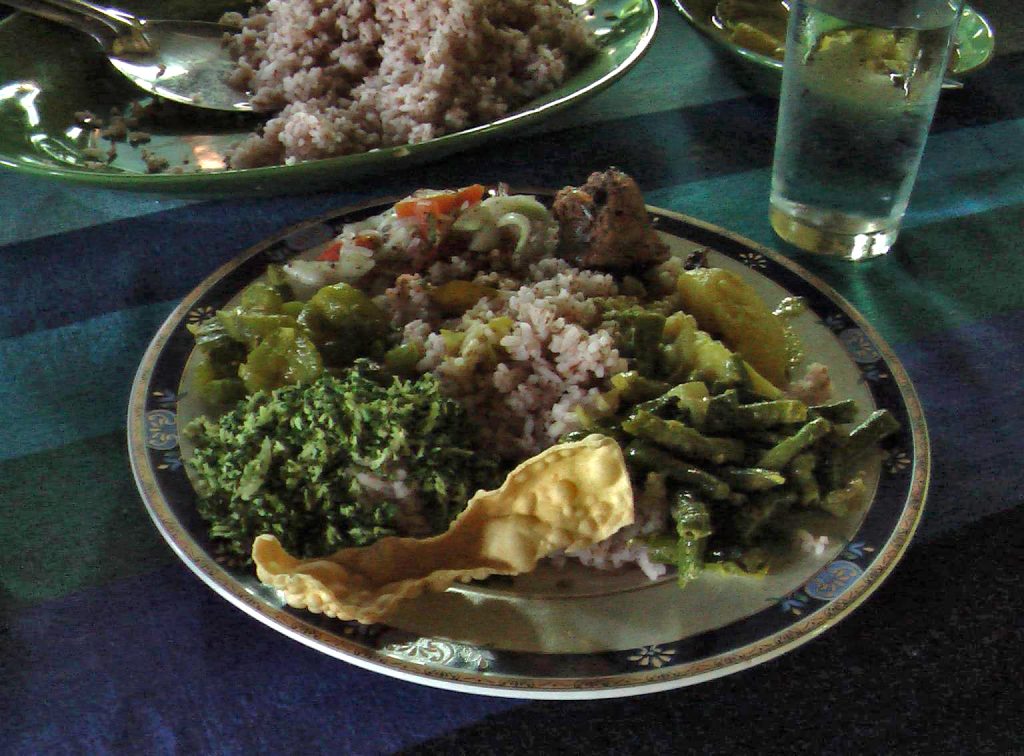
- Several curries at once. Usually a dhal (lentil curry), two or three vegetable curries, perhaps fish or chicken, plus a sambol and rice. Classes change the dishes with the season.
- Roasting and grinding spices. You’ll often toast and grind a curry powder from whole spices, and learn why roasted and unroasted curry powders taste different.
- The meal. At the end you sit down and eat what you made, usually with your hosts.
Some classes add roti, hoppers or a dessert such as watalappam, the coconut-milk and jaggery custard.

Choosing a class
- Ask what you’ll cook. A good class tells you the menu or the kind of dishes in advance. Check how much you actually cook and how much you watch.
- Vegetarian or vegan? Say so when you book. Many vegetable dishes and pol sambol are made with Maldive fish, smoked cured tuna, so it’s worth checking it will be left out. For eating out, see vegetarian and vegan in Sri Lanka.
- Allergies and spice. Tell the host about allergies, and how much chilli you can handle; you can always add more.
- Small groups. Family-run classes in homes are often small, which means more hands-on cooking.
- Recipes to take home. Ask whether you’ll get written recipes, or take photos as you go.
Prices vary a lot depending on the setting, the group size and whether a market visit is included. Agree the price, the length and what’s included before you go.
Where to take one
- Ella and the hill country: classes in homestays and huts with views over the tea, a good choice for an afternoon between walks.
- Kandy: village-style classes, some starting with a market visit.
- The south coast: around Galle, Unawatuna and Mirissa, classes may include fish and seafood curries.
Your guesthouse is often the best place to start: many family-run guesthouses offer a class themselves, or know someone who does.
What to take home
Most spices are easy to buy in supermarkets and markets, at fixed prices. If a class ends in a spice shop, compare the prices before you buy: our guide to scams and touts explains how spice-garden shops work.
Frequently asked questions (FAQs)
How long is a Sri Lankan cooking class?
Recent visitors describe classes of about three to three and a half hours, usually ending with a meal of the dishes you cooked.
What do you cook in a Sri Lankan cooking class?
Usually several curries at once, such as dhal and vegetable curries, perhaps fish or chicken, with a sambol and rice. Some classes add roti, hoppers or a dessert.
Can vegetarians take a cooking class in Sri Lanka?
Yes, but say so when you book. Many vegetable dishes and pol sambol use Maldive fish, so ask for it to be left out.
Where is the best place for a cooking class in Sri Lanka?
Classes run all over the island. Ella’s hill-country homestays, village classes near Kandy and seafood-focused classes on the south coast are all popular.
Do cooking classes include a market visit?
Some do, especially in Kandy and on the coast. Ask when you book.
Header photo: Krankman / Wikimedia Commons, CC BY-SA 4.0.