LGBTQ+ travellers do visit Sri Lanka and have good trips, but you should go knowing the law. Same-sex sexual activity is illegal here. The UK government says it is not aware of any prosecutions. Canada’s advice, however, warns of discrimination and asks LGBTQ+ travellers to consider the risks carefully. This page sets out what the law says, where reform stands and how to travel with as little worry as possible.
What the law says
Two sections of Sri Lanka’s Penal Code, which dates from the colonial era, cover same-sex activity:
- Section 365 makes “carnal intercourse against the order of nature” punishable by up to ten years in prison.
- Section 365A makes “gross indecency” between persons, in public or private, punishable by up to two years, a fine, or both.
The wording applies to men and women. Canada’s travel advice says Sri Lankan law criminalises sexual acts and relationships between people of the same sex. It adds that LGBTQ+ people could also face discrimination based on their sexual orientation, gender identity, gender expression or sex characteristics.
How it works in practice
The law is rarely used in court. The UK Foreign Office says it is not aware of any prosecutions. But a law that is seldom enforced can still be used. LGBTQ+ rights groups report that police still receive complaints citing these sections. The practical risk for visitors is less about arrest than about attention, blackmail or a bad encounter with someone who knows the law is on their side.
Where reform stands
In 2023 a private member’s bill was put before Parliament to remove the offence from Section 365, except for bestiality, and to repeal Section 365A entirely. On 9 May 2023 the Supreme Court dismissed a petition against the bill as “fanciful” and without merit. That cleared the way for Parliament to debate it. The then president said his government would not oppose it. However, according to Outright International, the bill was not adopted by the previous parliament, so the law described above still stands. We’ll update this page if that changes.
Travelling as an LGBTQ+ visitor
- Keep affection private. Public displays of affection are uncommon for any couple in Sri Lanka, so holding hands or kissing in public draws attention whoever you are. Most LGBTQ+ couples keep it low-key in public, as many local unmarried couples do.
- Hotels. Travel writers who have visited as a gay couple say they booked double rooms without any problem and never felt in danger. They did find local attitudes more conservative than in tourist areas. If you’d like reassurance, choose places whose reviews mention LGBTQ+ guests, or ask when you book.
- Dating apps. The UK government’s general advice for LGBT+ travellers warns that in some countries entrapment campaigns target LGBT+ people, including through popular dating apps. It suggests sensible precautions when meeting people you don’t know well. That advice is worth following here: meet in busy public places, tell someone where you’re going, and don’t share your hotel details early.
- Transgender travellers. Make sure the name and gender on your passport match the details on your ETA and bookings, and carry any supporting documents you normally use. Canada’s advice specifically mentions discrimination based on gender identity and expression.
- Unwanted attention. The UK government’s advice is simple: move away to a safe place. In an emergency call the police on 119, or the Sri Lanka Tourism hotline on 1912, which can put you through to the Tourist Police.
Our travel safety guide covers the wider picture, and our cultural etiquette guide covers dress and behaviour at temples, which apply to every visitor.
Where to feel most at ease
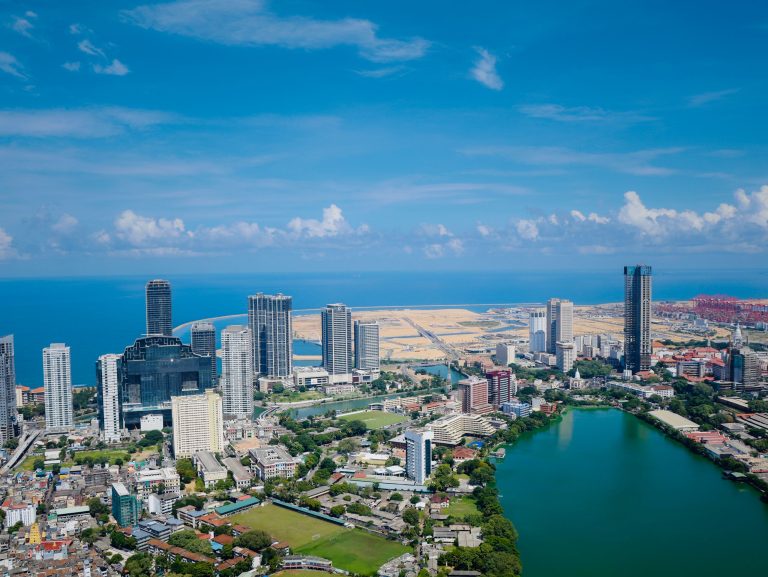
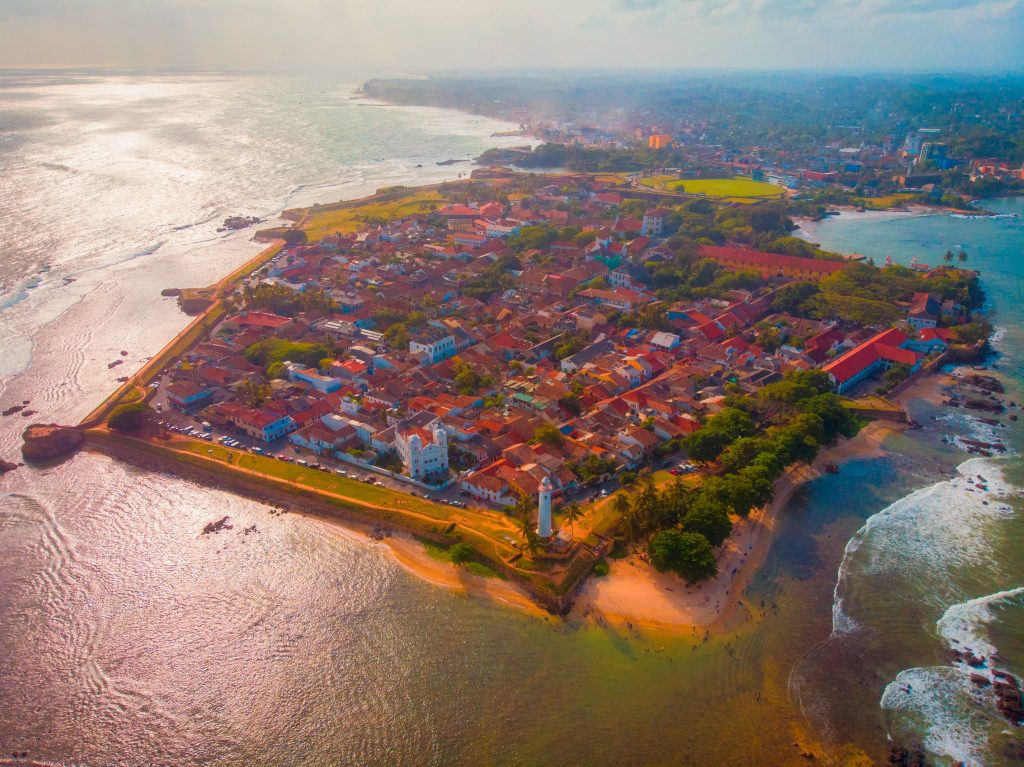
Places with lots of international visitors tend to be the most relaxed: the beach towns of the south coast, such as Unawatuna, Mirissa and Weligama, Arugam Bay in its surf season, Galle Fort and the hill-country town of Ella. Colombo, the biggest city, has the widest choice of hotels, bars and restaurants. Smaller towns, rural areas and religious sites are more conservative, so take more care there.
Frequently asked questions (FAQs)
Is it illegal to be gay in Sri Lanka?
Same-sex sexual activity is illegal under Sections 365 and 365A of the Penal Code, with penalties of up to ten and two years in prison. The UK government says it is not aware of any prosecutions.
Is Sri Lanka safe for LGBTQ+ travellers?
Many LGBTQ+ travellers visit without problems, but the law is still in force and discrimination is possible. Keep affection private in public, take care with dating apps, and read your own government’s travel advice before you go.
Is Sri Lanka changing the law on homosexuality?
A bill to decriminalise same-sex activity was cleared by the Supreme Court in May 2023. However, it was not adopted by the previous parliament, so the law remains in force.
Can same-sex couples share a hotel room in Sri Lanka?
Travel writers who visited as a gay couple say they booked double rooms without problems. Choose places with good reviews from LGBTQ+ guests, or ask when you book, if you want reassurance.
Are dating apps safe to use in Sri Lanka?
The UK government warns that entrapment campaigns in some countries use dating apps. Meet people in busy public places, tell someone where you’re going and take care with personal details.
Header photo: Rovin Shanila / Wikimedia Commons, CC BY-SA 4.0.