
Check before you travel Hill-country railway: repairs after Cyclone Ditwah Checked 19 October 2026
Cyclone Ditwah damaged the hill-country railway in November 2025, and it is reopening in stages. Since 2 October 2026, trains run again from Colombo Fort to Peradeniya and Gampola, but Kandy station itself is not served yet. Earth slips near Kadigamuwa have blocked the line more than once since then, most recently early on 17 October 2026, when trains towards Gampola and Colombo Fort were delayed; expect delays or short suspensions after heavy rain. Trains between Nanu Oya and Badulla, which stop at Haputale, Ella and Demodara, restarted on 20 June 2026. The section between Gampola and Nanu Oya is still under repair, so you cannot yet go by train from Colombo or Kandy all the way to Ella. Check the latest services before you plan a rail journey, and book reserved seats on the Sri Lanka Railways seat reservation site.
Almost every international flight lands at Bandaranaike International Airport at Katunayake, which sits just south of Negombo and north of Colombo. So the first and last nights of most trips come down to the same question: stay in Negombo, minutes from the airport, or in Colombo, the capital, further down the expressway?
The rule of thumb is simple. Sleep in Negombo when the flight is late at night or early in the morning, or when you just want to rest. Sleep in Colombo when you have a day to spend, or when your next move is a train.
Negombo: closest to the airport
Negombo is the nearest major town to the airport. After a long flight, that short ride is its biggest advantage; in October 2026 the airport’s fixed taxi fare was Rs 3,780 ($11 · convert) to Negombo against Rs 8,100 ($24 · convert) to central Colombo.
It’s not just a transit stop, either. Negombo has a long beach, a fishing harbour where the market is busiest early in the morning, a lagoon with mangroves and boat trips, and enough Catholic churches to earn it the nickname “Little Rome”. The sea can be rough, though, especially in the south-west monsoon from May to September, and visitors report litter on parts of the beach, so don’t expect a resort bay.
Colombo: the capital, and the hub
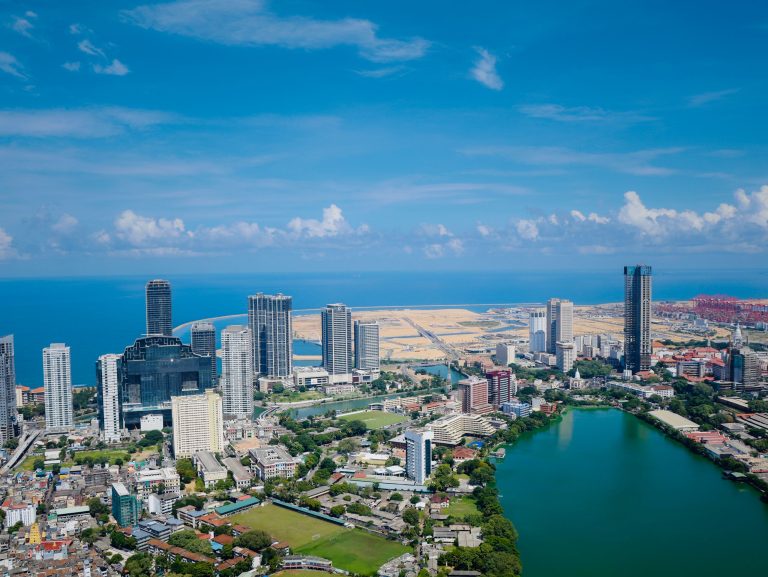
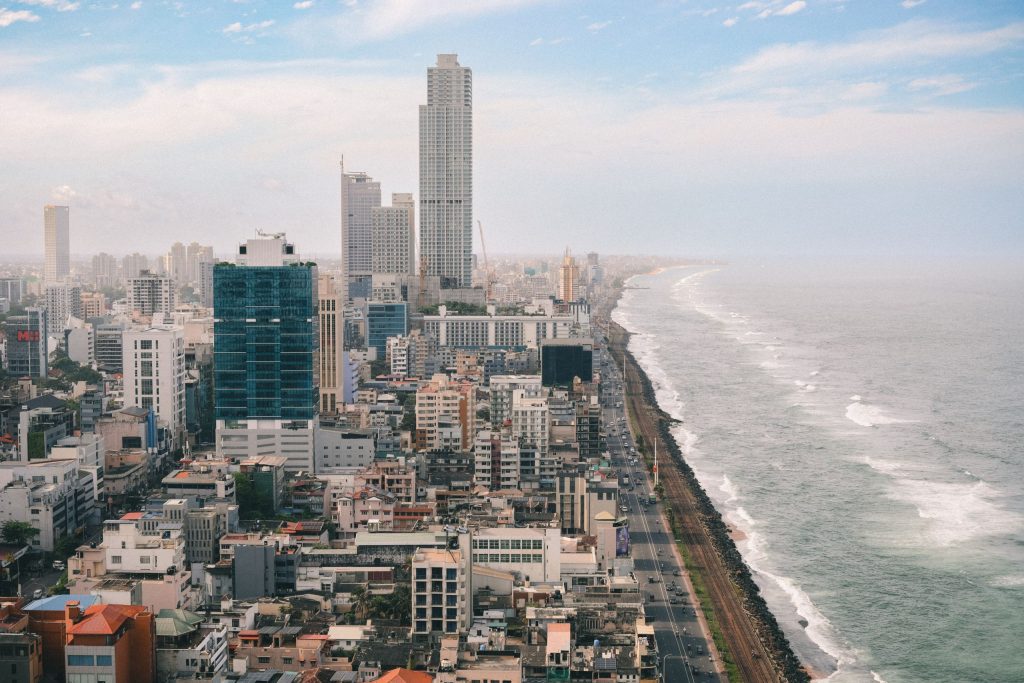
Colombo is the bigger choice, with temples, museums and markets, and sunsets at Galle Face Green. It’s also where the transport starts. Colombo Fort station, beside Pettah Market, is the hub of the rail network, and the main bus stations are next to it.
Getting there takes longer. The Colombo–Katunayake Expressway (E03) links the airport with the city, and the airport’s air-conditioned bus 187 runs 24 hours a day to Colombo Fort in about 50 minutes, according to the airport. If you’ve never seen Colombo, a night here and a day on foot is a good start; our free things to do in Colombo and 1 day in Colombo plan it.
Choose by your flight and your next move
- Landing late at night: Negombo. You’ll be in bed while you’d still be on the expressway to Colombo.
- Landing in the morning, with energy: Colombo, for the afternoon in the city and a train the next morning.
- Heading straight for the south coast: neither. The airport’s bus to Makumbura connects with buses on the Southern Expressway, or take a taxi; see Colombo airport to the south coast.
- Catching a train next day: Colombo, so you’re near Colombo Fort station. Our train travel guide explains booking, and the travel update at the top of this page covers the hill-country line.
- Heading north to the Cultural Triangle or Kalpitiya: Negombo puts you on the right side of Colombo.
- Early flight home: Negombo, almost always. Leave plenty of time for check-in and security.
- Late flight home, with a last day to fill: Colombo for shopping and a last look round, or Negombo for a slow last day by the lagoon or the sea.
A spare day in each
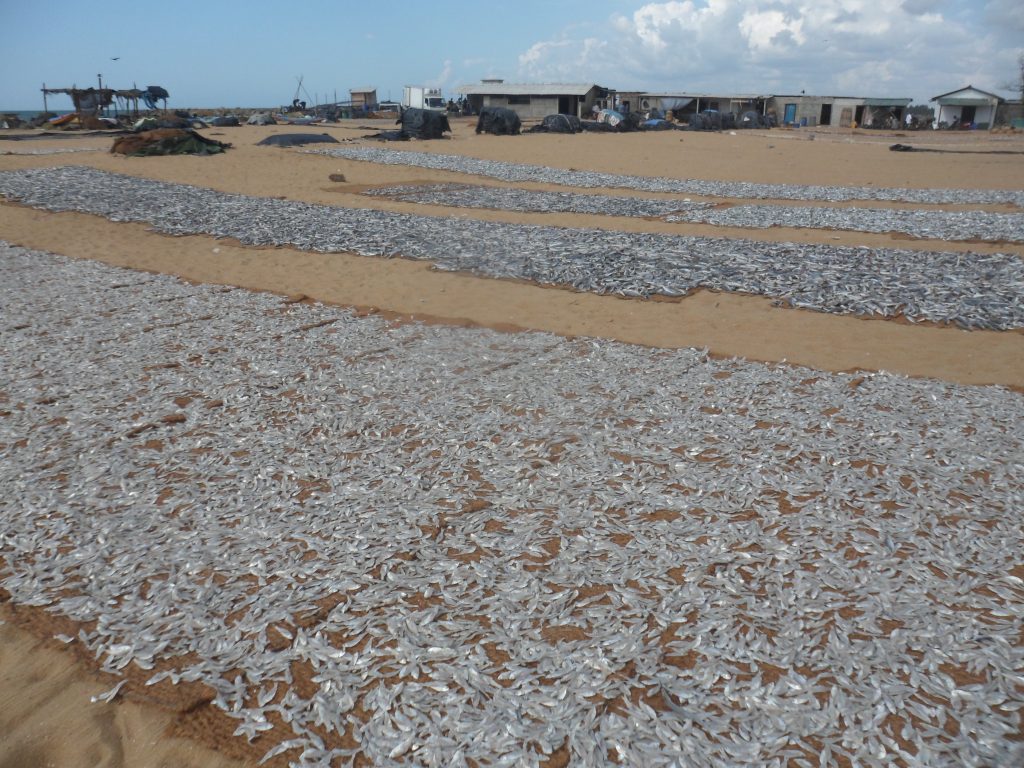
In Negombo, go to the fish market early, walk past the fish drying on the sand, take a boat on the lagoon and look into St Mary’s Church, keeping sightseeing for outside service times. In Colombo, walk Pettah Market, visit Gangaramaya Temple and the National Museum, and end at Galle Face Green for the sunset.
Getting from the airport safely
Sort out rupees and a SIM card in the arrivals hall, where the banks and phone counters are open 24 hours. Then use the official taxi counter, Uber or PickMe, or a pick-up you’ve arranged. Recent visitors (2025–26) report drivers approaching new arrivals inside the terminal with rides at inflated prices. Our guide to arriving in Sri Lanka goes through each step.
Frequently asked questions (FAQs)
Should I stay in Colombo or Negombo on my first night?
Negombo if you land late or just want to rest, as it is the nearest major town to the airport. Colombo if you land in the morning and want to see the city or catch a train the next day.
Is Negombo or Colombo better for my last night?
Negombo for an early flight, as it is closest to the airport. With a late flight and a day to fill, either works.
How do I get from the airport to Colombo?
By the official airport taxi, Uber or PickMe, or the airport’s 24-hour bus 187 to Colombo Fort, which takes about 50 minutes.
Is Negombo worth visiting?
For a night or a day, yes: it has a beach, a fishing harbour, a lagoon and old churches. The sea can be rough in the south-west monsoon.
How much is a taxi from the airport to Negombo?
The airport’s fixed fare was Rs 3,780 ($11 · convert) to Negombo in October 2026, against Rs 8,100 ($24 · convert) to central Colombo.
Header photo: Sofiia Asmi / Pexels.