Check before you travel Hatton roads: earth-slip risk in heavy rain Checked 19 October 2026
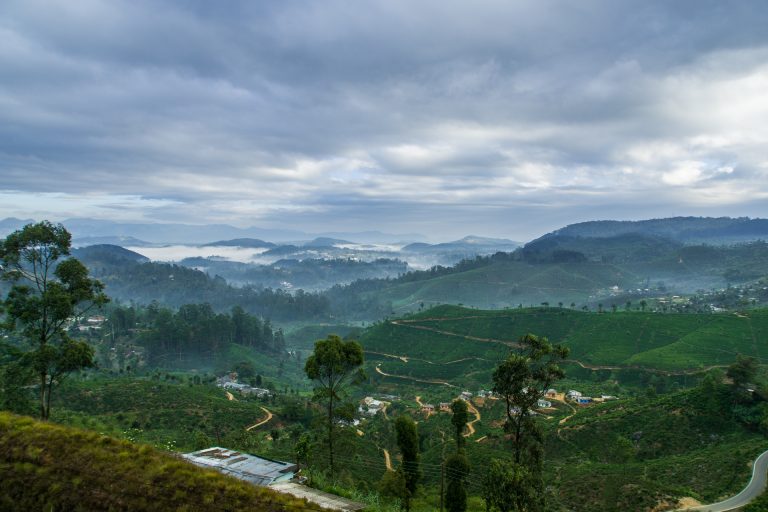
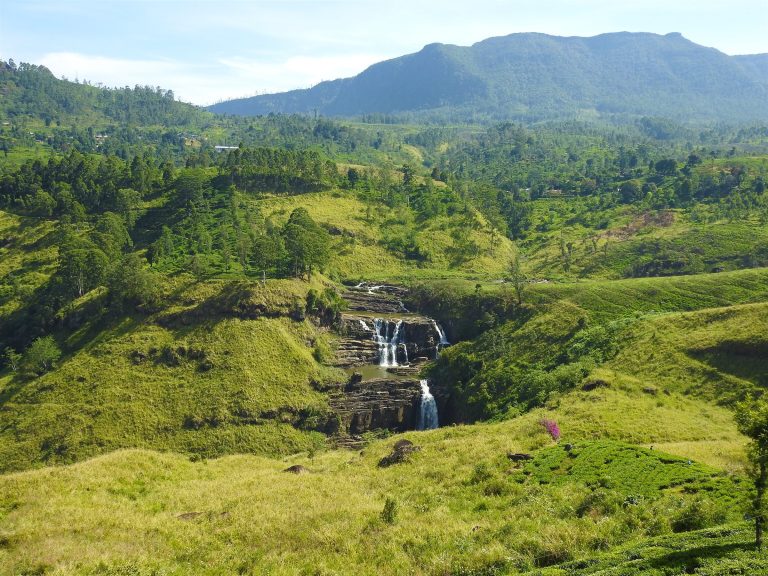
On 24 September 2026 an earth slip blocked the Hatton–Colombo road at Kuyilwatte for several hours, and Hatton Police urged motorists to take care on the Hatton–Nuwara Eliya and Hatton–Colombo roads and nearby routes because of the continuing risk of earth slips. This stretch also leads to St Clair’s Falls and Devon Falls. After heavy rain, check local news and heed police and Disaster Management Centre warnings before you drive.
Check before you travel Hill-country railway: repairs after Cyclone Ditwah Checked 19 October 2026
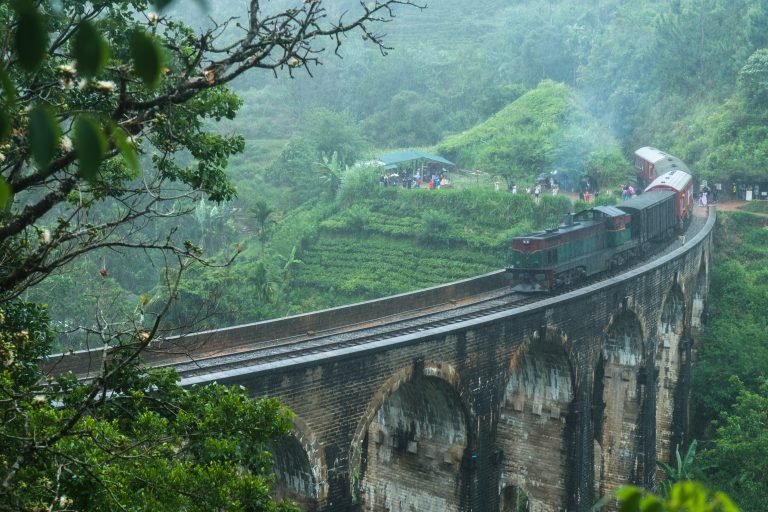
Cyclone Ditwah damaged the hill-country railway in November 2025, and it is reopening in stages. Since 2 October 2026, trains run again from Colombo Fort to Peradeniya and Gampola, but Kandy station itself is not served yet. Earth slips near Kadigamuwa have blocked the line more than once since then, most recently early on 17 October 2026, when trains towards Gampola and Colombo Fort were delayed; expect delays or short suspensions after heavy rain. Trains between Nanu Oya and Badulla, which stop at Haputale, Ella and Demodara, restarted on 20 June 2026. The section between Gampola and Nanu Oya is still under repair, so you cannot yet go by train from Colombo or Kandy all the way to Ella. Check the latest services before you plan a rail journey, and book reserved seats on the Sri Lanka Railways seat reservation site.
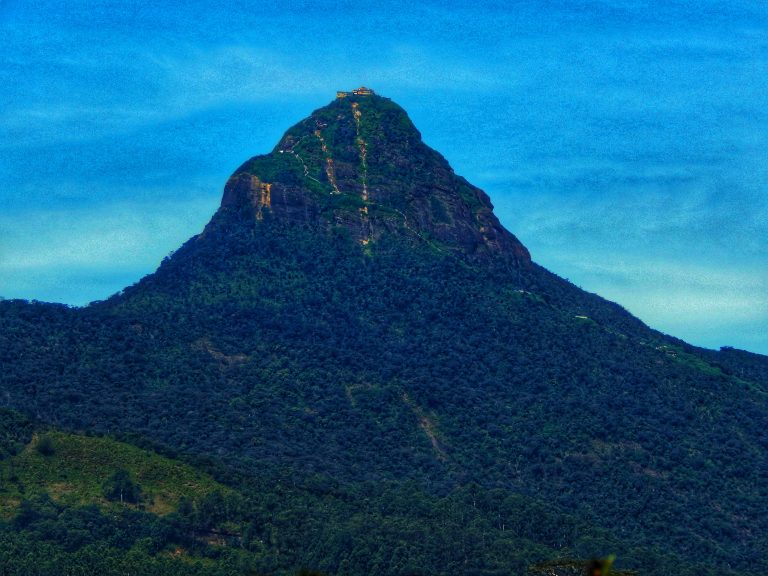
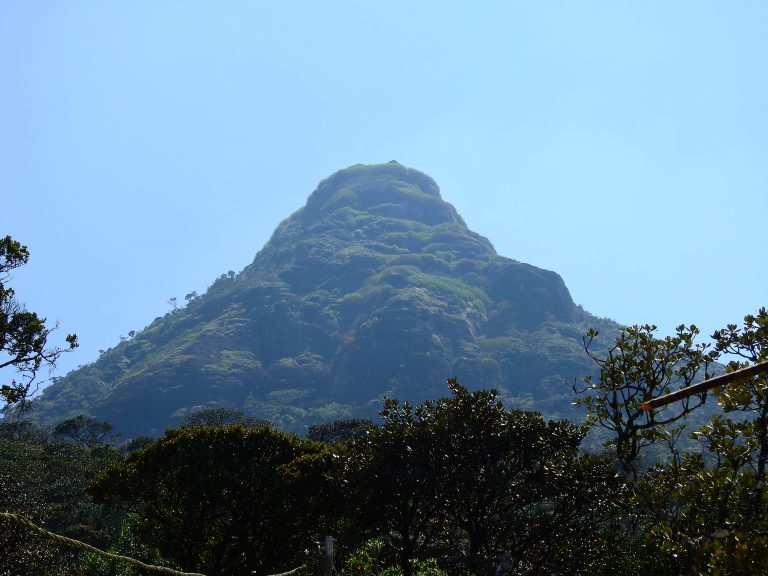
You start in the dark, somewhere around two in the morning, with a string of lights zigzagging up the mountain above you. Thousands of steps later, cold, sweaty and among hundreds of pilgrims, you reach the top of Sri Pada (Adam’s Peak) in time to watch the sun come up and the mountain throw its triangular shadow across the land below. Climbing Adam’s Peak this way is one of the hardest things most visitors do in Sri Lanka, and one of the most memorable.
This page is about doing the night climb: when to start, what to bring and how to get through it. Our Sri Pada guide covers the mountain itself, the routes, the season and the rules.
Is it for you?
Go if you can climb steep steps for three to five hours, and want to share the mountain with people for whom it’s a pilgrimage, not a hike.
Think twice if you have bad knees, or hate crowds and queues. The descent is as tough as the climb, and on busy nights the path near the top slows to a standstill.
Choose your night
- In season. The pilgrimage season runs from Unduvap Poya in December to Vesak Poya in May; in 2026–27 it’s expected to open on 23 December. In season the path is lit, with tea stalls and toilets along the way. Outside it, the climb is allowed only from Nallathanniya or Palabaddala with a pass from the wildlife office, and the weather is often wet, windy and misty.
- Avoid the busiest nights. Sri Lanka Tourism says January to March is particularly busy and April is the peak. Climbers advise avoiding Poya days, weekends and public holidays, when the queue near the summit can add hours. A weekday in the season is the sweet spot. Check the dates on our festival and Poya calendar.
Timing the climb
Most visitors climb from Nallathanniya, also called Dalhousie, on the shortest and steepest route. Climbers report that the ascent takes three to five hours depending on fitness and crowds, and most start between midnight and about 2.30 am to reach the summit before sunrise. On a busy weekend, start earlier. It’s better to wait at the top than to be stuck in the queue when the sun comes up.
Spend the evening before in Nallathanniya, which has guesthouses close to the start, eat early and try to sleep for a few hours.

What to wear and bring
- Warm layers for the top. You’ll be soaked in sweat on the way up and then sit still on a cold, windy summit before dawn. A dry base layer, a fleece and a windproof jacket make the wait bearable, and a hat and gloves help too.
- A torch or head torch. The path is lit in season, but a torch helps on the darker stretches and out of season it’s essential.
- Water and snacks in reusable containers. Single-use plastics are banned in the Sri Pada area, including disposable bottles under one litre, and checks are made at the entry points. Bring your own refillable bottle and a few small notes for tea at the stalls.
- Good shoes. Trainers with grip are fine; the steps are uneven and can be wet.
- No alcohol. Police ban alcohol and other intoxicants on the route.
The climb itself
Climbers describe a gentle start past shops and shrines, steepening steadily to a long, steep staircase near the top. Pace yourself from the start, and stop at the tea stalls rather than pushing through. Pilgrims of all ages make the climb, many dressed in white. Make way for older pilgrims, step aside to let people pass, and keep your voice down at the summit shrine.
At the top, shoes come off at the temple, as at any Buddhist shrine. Find a spot facing east to wait for sunrise, then turn west to see the shadow of the peak.
Coming down
The descent is where knees and calves complain, and it’s in daylight, so you’ll see how steep it really is. Take it slowly. Some pilgrims climb from Nallathanniya and come down the other side towards Ratnapura, but that means arranging transport at the other end, so most visitors return the way they came. Choosing between this and Ella’s big hike? See Adam’s Peak or Ella Rock.
Getting there
Nallathanniya is reached by road from Hatton. Hatton is on the hill-country railway, parts of which are still being repaired: see the travel update at the top of this page for which sections are running, and our train travel guide for booking. From Hatton, buses, tuk-tuks and taxis go to Nallathanniya.
Frequently asked questions (FAQs)
What time should I start climbing Adam’s Peak?
Climbers report the ascent takes three to five hours, so most start between midnight and about 2.30 am from Nallathanniya to reach the top before sunrise. Start earlier on busy weekends.
How hard is the Adam’s Peak climb?
Hard but manageable for most fit adults: hours of steep steps, especially near the top. The descent is tough on the knees, so take it slowly.
When is the best time to climb Sri Pada?
On a weekday in the pilgrimage season, from Unduvap Poya in December to Vesak in May. Avoid Poya days, weekends and holidays if you want to avoid the longest queues.
What should I bring to climb Adam’s Peak?
Warm layers for the summit, a torch, water in a reusable bottle, snacks and good shoes. Single-use plastics and alcohol are banned.
Can I climb Adam’s Peak outside the season?
Only from Nallathanniya or Palabaddala, with a pass from the wildlife office. The weather outside the season is often wet, windy and misty.
Header photo: Alexey Komarov / Wikimedia Commons, CC BY-SA 4.0.