Check before you travel Hill-country railway: repairs after Cyclone Ditwah Checked 19 October 2026
Cyclone Ditwah damaged the hill-country railway in November 2025, and it is reopening in stages. Since 2 October 2026, trains run again from Colombo Fort to Peradeniya and Gampola, but Kandy station itself is not served yet. Earth slips near Kadigamuwa have blocked the line more than once since then, most recently early on 17 October 2026, when trains towards Gampola and Colombo Fort were delayed; expect delays or short suspensions after heavy rain. Trains between Nanu Oya and Badulla, which stop at Haputale, Ella and Demodara, restarted on 20 June 2026. The section between Gampola and Nanu Oya is still under repair, so you cannot yet go by train from Colombo or Kandy all the way to Ella. Check the latest services before you plan a rail journey, and book reserved seats on the Sri Lanka Railways seat reservation site.
Sri Lanka is a manageable trip with a baby or toddler, as long as you plan for the heat, the roads and the mosquitoes, and accept a slower pace than you’d choose on your own. Distances are short on the map but long on the road, hotels are used to families, and the cool hill country makes a welcome break from the plains. This page covers the practical side; for a full route built around older children, see our Sri Lanka with kids itinerary.
Plan fewer moves
The biggest difference with a little one is how far you travel in a day. Journeys between regions take most of a morning or afternoon, and some days on winding hill roads take three or four hours. Recent family travellers (2025–26) advise keeping road journeys short and spending two or three nights in each place. Our guide to how many days you need shows what fits; with a toddler, plan on seeing fewer places.
Mornings are the time for sights. Most big sights are best before the heat, which suits early-waking small children, and a long rest in the middle of the day helps everyone.
Getting around
- Car seats: car seats aren’t standard in hired vehicles, and seat belts aren’t always fitted properly. Recent family travellers advise bringing your own seat, one that fits with an ordinary lap-and-shoulder belt, and checking the belts before you set off.
- Driving: the UK government describes driving as erratic, with frequent accidents, particularly at night. Plan to arrive before dark.
- Trains: the hill-country train is a highlight for many families. Book reserved seats as soon as they go on sale, 30 days ahead, and keep children inside the carriage at all times: people have died falling from moving trains. See the travel update at the top of this page for which sections are running.
- Tuk-tuks: fun for short hops, but there are no seat belts. Hold small children securely and keep trips short.
Sleeping and eating
Recent family travellers report that most hotels, including small boutique places, can arrange a cot in your room, and can store food or equipment. Ask when you book. Sri Lankan curries are often very spicy, but hotels usually serve plainer food too, and recent visitors say children tend to like hoppers, bowl-shaped rice pancakes. If your baby relies on a particular formula or food, pack enough for the trip.
Health: the three things that matter
- Mosquitoes: there’s no malaria in Sri Lanka, but dengue is a risk all year. The mosquitoes that spread it bite during the day, so use a repellent suitable for your child’s age, cover arms and legs, and use nets where provided. See a doctor quickly about any high fever.
- Animals: rabies is present, and the UK’s National Travel Health Network says children are at greater risk because they’re less likely to avoid animals or mention a bite, scratch or lick. Keep them away from dogs, cats and monkeys, and get medical help the same day for any bite or scratch.
- Heat and sun: hats, shade and plenty of fluids. Plan climbs and outdoor sights for early morning.
Talk to your travel clinic about vaccines before you go. Our health guide has the official sources.
Beaches and water
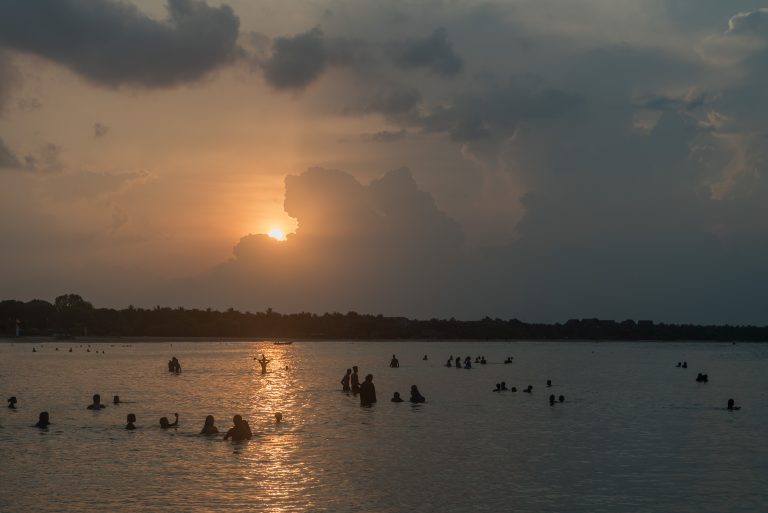
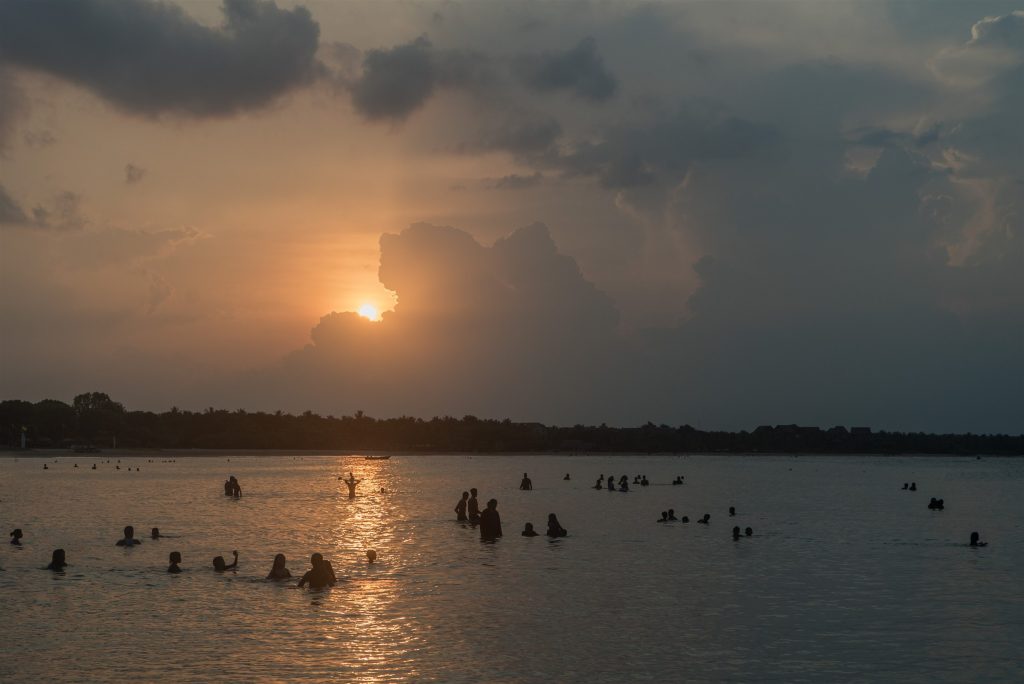
Many beaches have dangerous surf or rip currents at certain times of year, and visitors have drowned off several south-coast beaches. With small children, look for calm, shallow water: Pasikuda on the east coast is known for a long, shallow bay, best in the middle of the year, though lifeguards rescued a child there in September 2025, so stay within arm’s reach. Never let children in alone, and see our guide to swimming safety.
Temples and sights
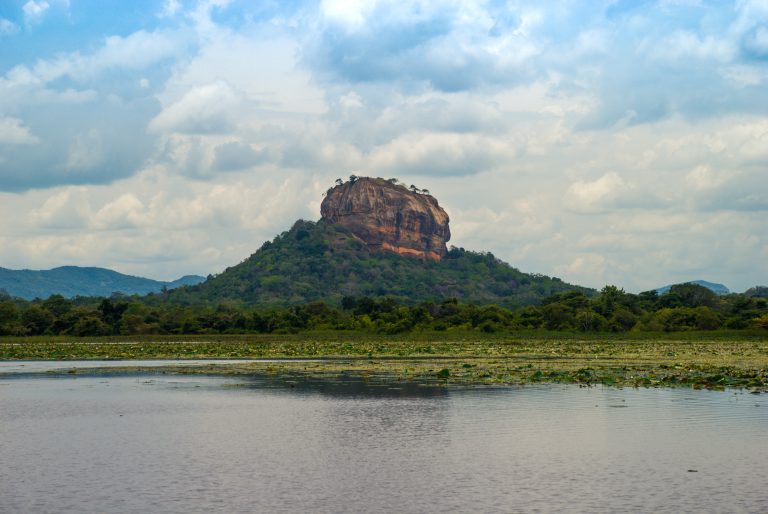
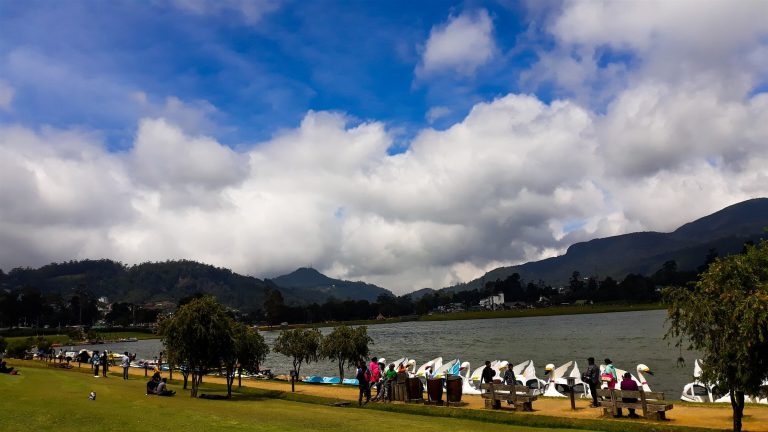
Shoes come off at every temple, and stone floors get very hot by late morning, so visit early and carry socks. Sigiriya and similar climbs mean long flights of steps and steep metal staircases; a baby carrier is easier than a pushchair on steps and in the gardens. The cool hill country around Nuwara Eliya and Ella needs a warm layer in the evenings.
Frequently asked questions (FAQs)
Is Sri Lanka good for travelling with a baby?
Yes, with planning: fewer moves, early starts, your own car seat and care with mosquitoes, animals and the sea.
Do I need to bring a car seat to Sri Lanka?
Recent family travellers advise it. Car seats aren’t standard in hired vehicles, and seat belts aren’t always fitted properly.
Is there malaria in Sri Lanka?
No. The WHO certified Sri Lanka malaria-free in 2016, but dengue is a risk all year, so avoid mosquito bites.
Which beach is best for toddlers in Sri Lanka?
Look for calm, shallow water. Pasikuda, on the east coast, has a long shallow bay, best in the middle of the year. Watch children closely everywhere.
Can I get a cot in Sri Lankan hotels?
Most hotels can arrange one, according to recent family travellers. Ask when you book.
Header photo: Alexey Komarov / Wikimedia Commons, CC BY-SA 4.0.