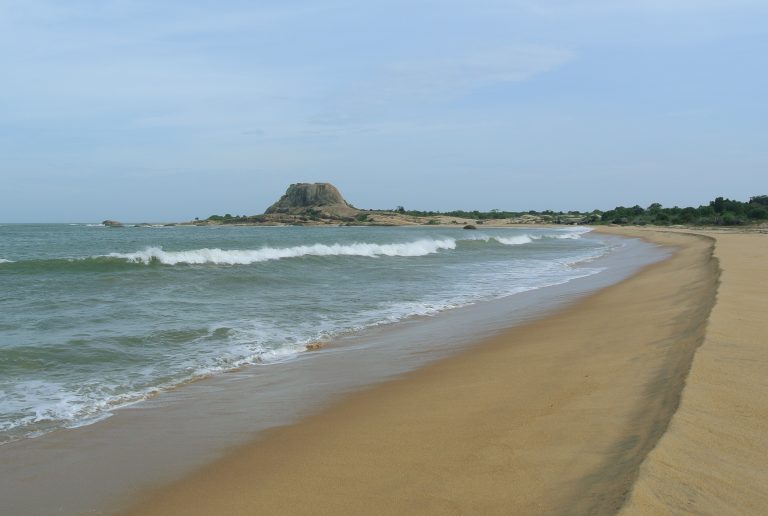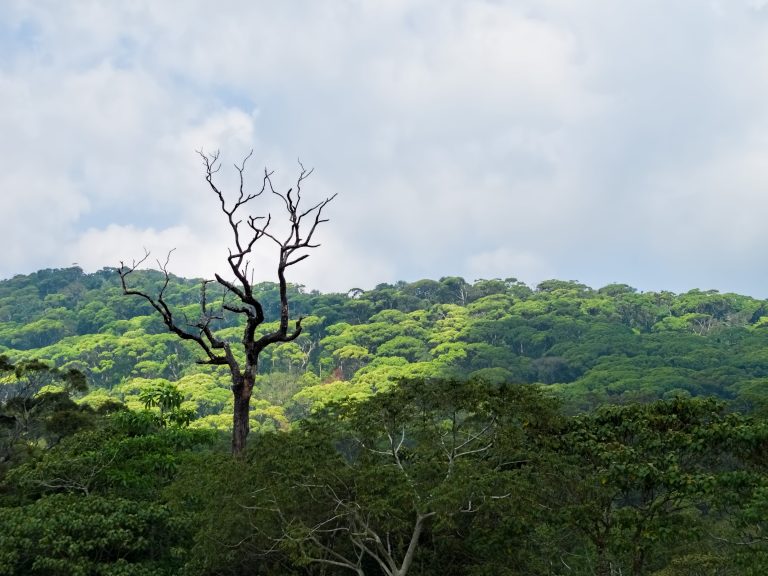
Wilpattu National Park is Sri Lanka’s largest national park, with about 1,317 km² of dry forest, scrub and open lake shores. It lies on the north-west coast, roughly 30 km west of Anuradhapura and 26 km north of Puttalam. People come for its villus, shallow natural lakes that fill with rain. They also come for the leopards and sloth bears that come down to drink at them.
Is it worth visiting?
Go if you want a long, unhurried safari in properly wild country. You get a real chance of a leopard or a sloth bear, and long stretches of track with no other jeep in sight. Recent visitors (2025–26) say the jeeps spread out soon after the gate. They still bunch up quickly, though, when a leopard or bear appears.
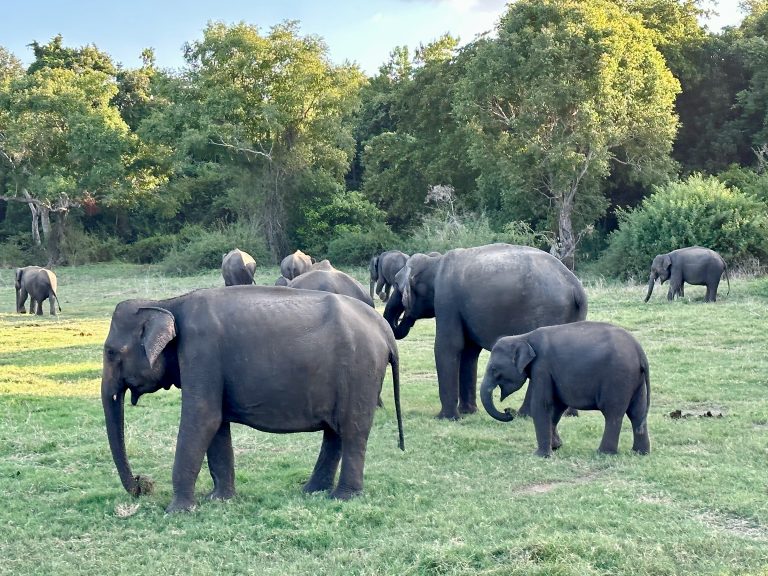
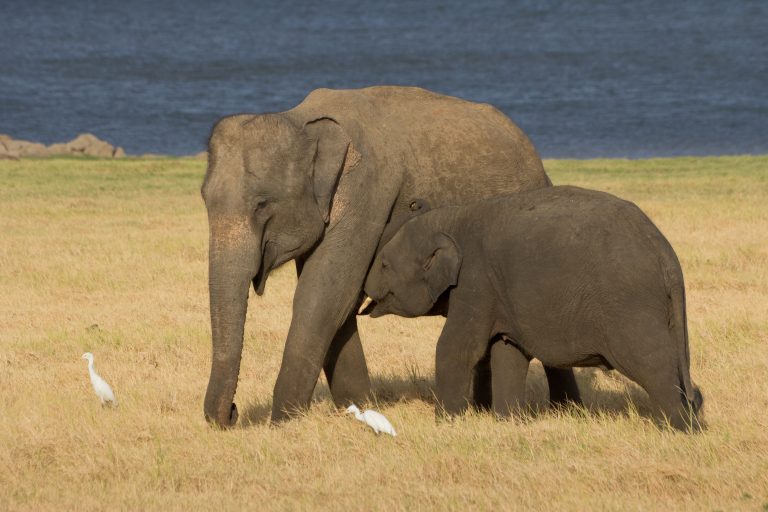
Think twice if you’re short of time or want guaranteed sightings. The forest is thick and the park is huge, so animals turn up less often than in open grassland parks. Recent visitors describe half-days that produced little more than deer, buffalo, crocodiles and birds. Elephants live here, but if they are your main reason for a safari, the herds at Minneriya are better known. For how Wilpattu compares with the busier leopard park in the south, see Wilpattu or Yala.
The villus
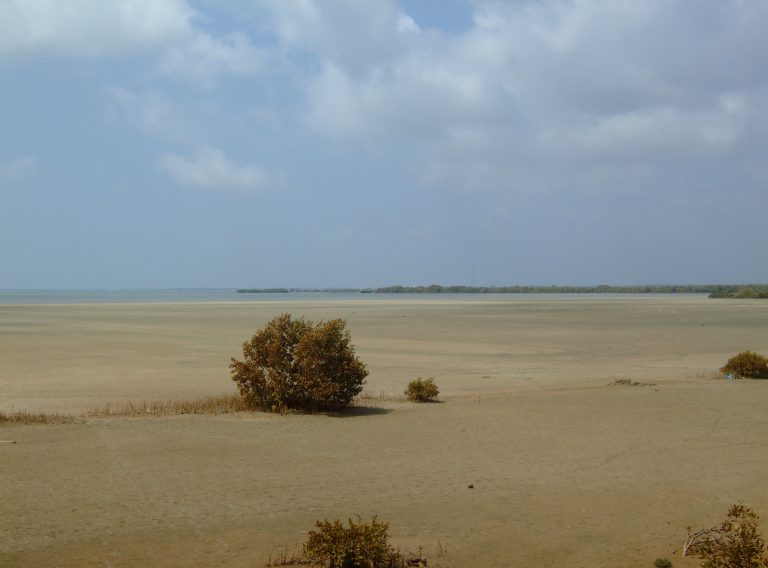
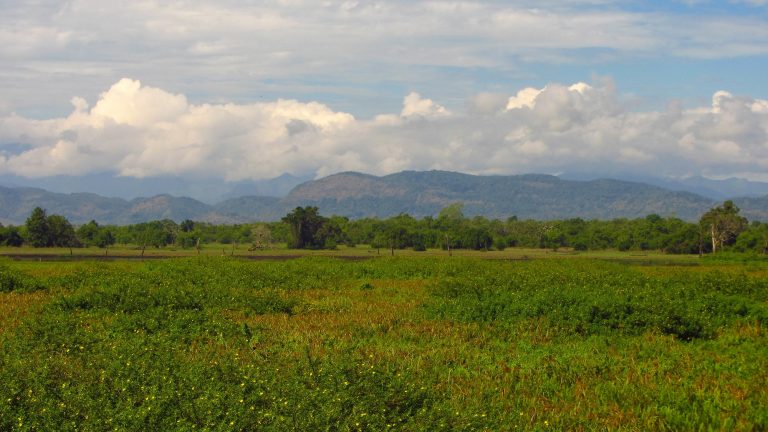
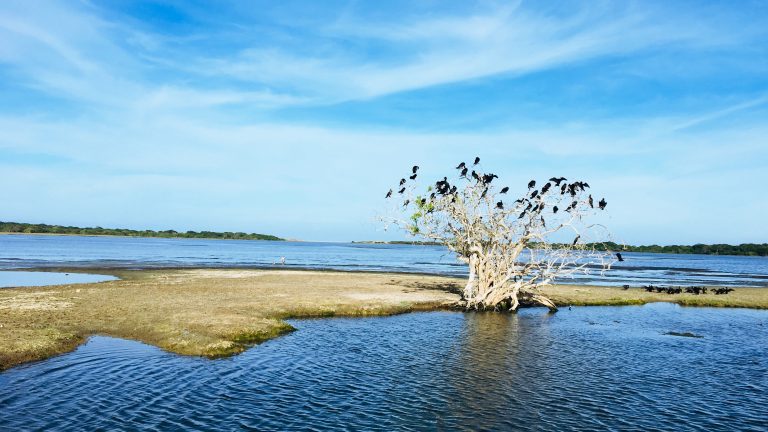
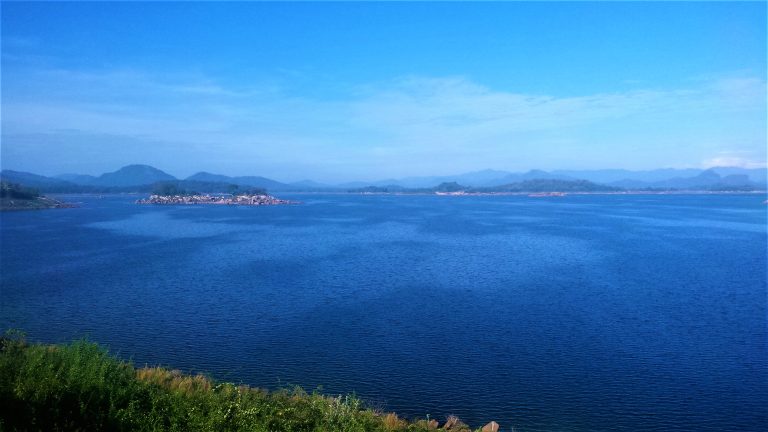
The feature that makes Wilpattu different is its villus: natural, sand-rimmed basins that fill with rainwater. The larger ones hold water all year and are home to mugger crocodiles, monitor lizards and freshwater turtles.
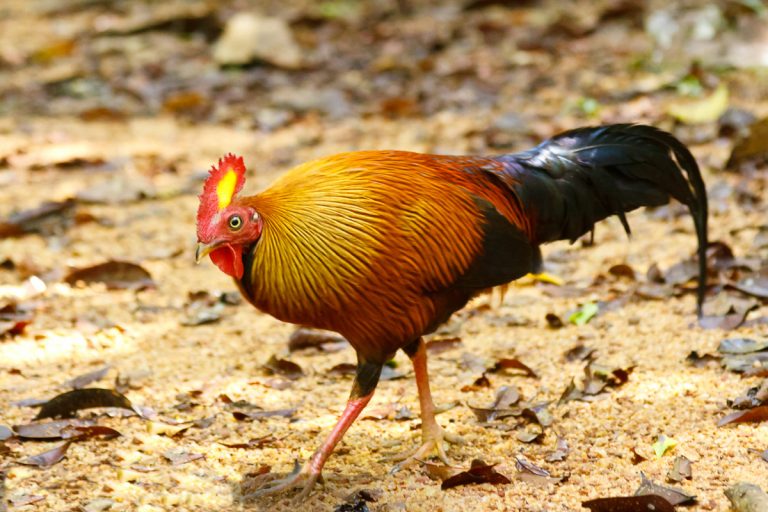
Most game drives are planned around them. Deer graze on the open grass at the edges, buffalo wallow in the shallows and wading birds work the margins. Painted storks, openbills, little cormorants, spoonbills, black-headed ibises and purple herons are all on the park’s list. As the dry season goes on and the smaller pools disappear, recent visitors report that animals gather around whatever water is left. So the later dry months can be especially rewarding.
Leopards, sloth bears and other wildlife
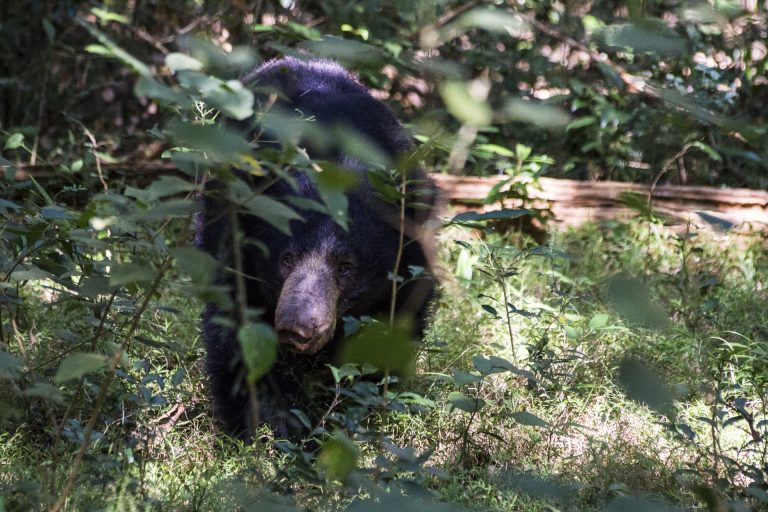
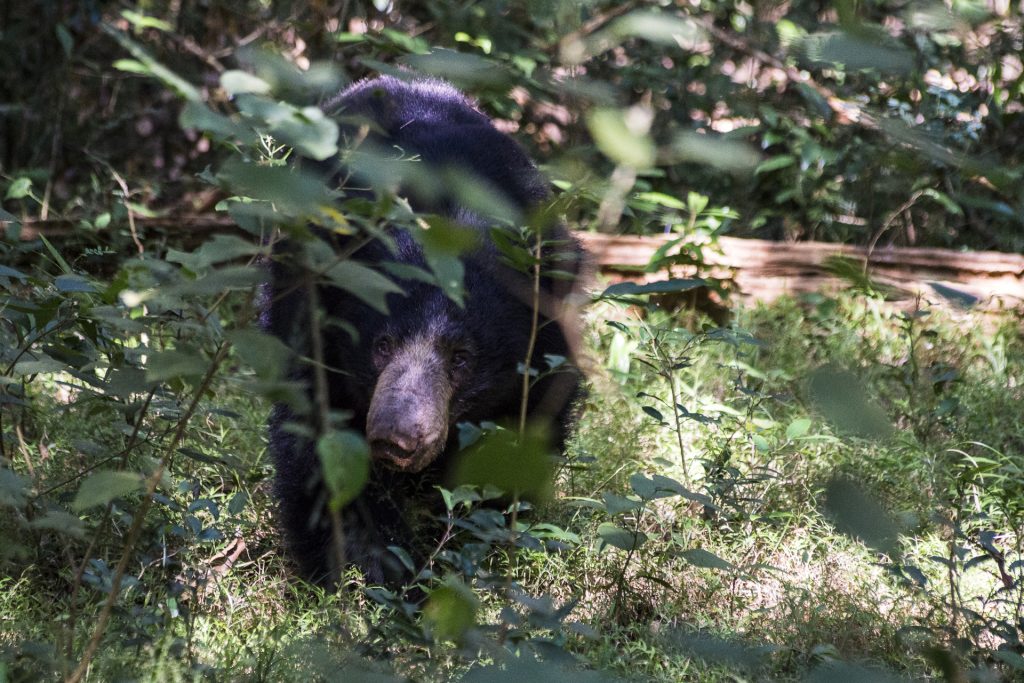
The park’s list has 31 mammal species. Threatened ones include the elephant, the sloth bear, the Sri Lankan leopard and the water buffalo. Leopards are the reason Wilpattu is famous: a 2018 camera-trap survey identified 133 individual leopards in the park.
That doesn’t make them easy to see. In thick scrub a leopard can sit a few metres from the track unnoticed. So an experienced driver who knows where animals have been seen helps. Recent visitors’ luck varies widely. Some full days produce several leopards and a sloth bear or two. By contrast, one visitor spent five hours on bumpy tracks and saw only deer, a mongoose and a pair of buffalo. If a bear does appear, keep quiet and let it carry on feeding.
Hunuwilagama or Eluwankulama: which entrance?
Wilpattu has two entrances for visitors, and both sell tickets.
- Hunuwilagama is the main entrance and the park headquarters, on the Anuradhapura side. You turn off the main road at Nochchiyagama. It’s the natural choice if you’re staying around Anuradhapura or coming from the Cultural Triangle.
- Eluwankulama is on the southern edge, in Puttalam District, across the Kala Oya river. You leave your vehicle near the Navy’s Crossway camp and walk over a 63-metre suspension bridge, opened in 2022. Then you board a safari jeep on the far side. It’s the closer entrance if you’re coming from Kalpitiya or the west coast.
The Kala Oya floods after heavy rain, and this has closed the Eluwankulama side more than once. In October 2025, when the water rose, wildlife officers had to bring out more than 30 visitors. In the rainy months, check that your entrance is open before you set off.
Half day or full day?
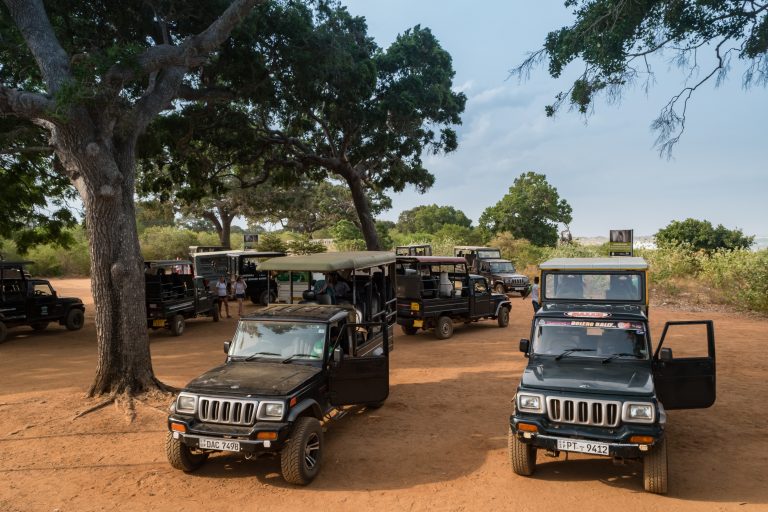
Recent visitors report that the gates open at 6 am and that full-day safaris run until about 6 pm. You can’t drive your own vehicle in, they say: everyone goes by safari jeep with a driver.
A half-day is enough for a first look, but Wilpattu rewards time. The good areas are far apart, the tracks are slow and dusty, and animals are least active in the middle of the day. So regular visitors usually choose a full day or two half-days on separate dates. Recent visitors mention a single rest stop with toilets in the middle of the park and nowhere else to stop. So bring food, plenty of water, a hat and something to keep the dust off your camera.
Permits, rules and the best months
Entry is by a Department of Wildlife Conservation (DWC) permit, issued on payment of the prescribed fee. You can book a day permit online, and the DWC’s step-by-step guide shows how. Then you show the receipt with its QR code at the entrance. The DWC website doesn’t publish a fee table, so confirm the price when you book or ask your jeep operator what’s included.
Stay in the jeep, don’t feed any animal, and leave pork at home. Since October 2024 the DWC has banned raw pork and pork products in all national parks to protect wild boar from disease.
Sri Lanka Tourism gives February to October as the best period to visit. Most of the rain falls in the north-east monsoon, from December to February, with more in March between the monsoons.
Getting there
From Anuradhapura, most people take an early tuk-tuk or jeep to Hunuwilagama. Recent visitors put the drive at about 40 minutes. Coming from Colombo or Negombo it’s a very early start, so most people stay the night before near one of the entrances. If you’re planning a longer wildlife trip, our wildlife safari itinerary suggests Wilpattu as a first stop between May and October. To pair it with dolphins or kitesurfing, see 4 days in Kalpitiya and Wilpattu.
Frequently asked questions (FAQs)
Is Wilpattu the largest national park in Sri Lanka?
Yes. At about 1,317 km², it is the largest national park in the country, on the north-west coast between Puttalam and Anuradhapura.
Can you see leopards in Wilpattu?
Yes, but sightings aren’t guaranteed. A 2018 camera-trap survey identified 133 individual leopards in the park. But the thick scrub hides them well, and a full day gives you a better chance than a half-day.
Which entrance should I use?
Hunuwilagama, the main entrance, if you’re coming from Anuradhapura. Eluwankulama, across the Kala Oya, if you’re coming from Kalpitiya or the west coast. The Eluwankulama side can close when the river floods after heavy rain.
When is the best time to visit Wilpattu?
February to October, according to Sri Lanka Tourism. Most rain falls from December to February.
What is a villu?
A natural, shallow, sand-rimmed lake that fills with rainwater. Wilpattu’s villus are where most of the wildlife is seen.
Should I do a half-day or full-day safari in Wilpattu?
A full day if you can. The park is large and the tracks are slow, and recent visitors report better sightings early and late than in the middle of the day.
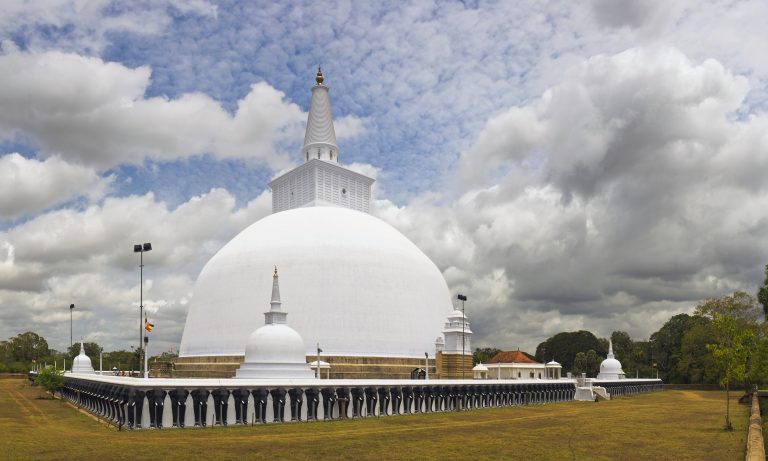
Header photo: Aldshakya / Wikimedia Commons, CC BY-SA 4.0.