

Udawalawe (also spelt Udawalawa) is a small town in the south of Ratnapura District, in Sri Lanka’s Sabaragamuwa Province, and the main entry point to Udawalawe National Park. The park is one of the most visited in the country, and its elephants are the main draw. The Department of Wildlife Conservation (DWC) also cares for orphaned calves at the Elephant Transit Home nearby.
Is Udawalawe for you?
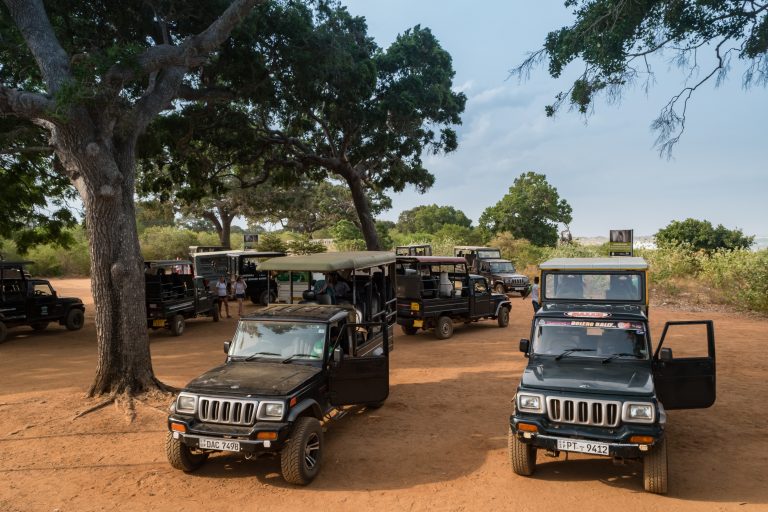
Go if you want to see wild Asian elephants on a jeep safari, or watch staff care for orphaned elephant calves at the Elephant Transit Home.
Think twice if leopards or sloth bears are your main hope: both live in the park, but sightings are rare.
Udawalawe National Park
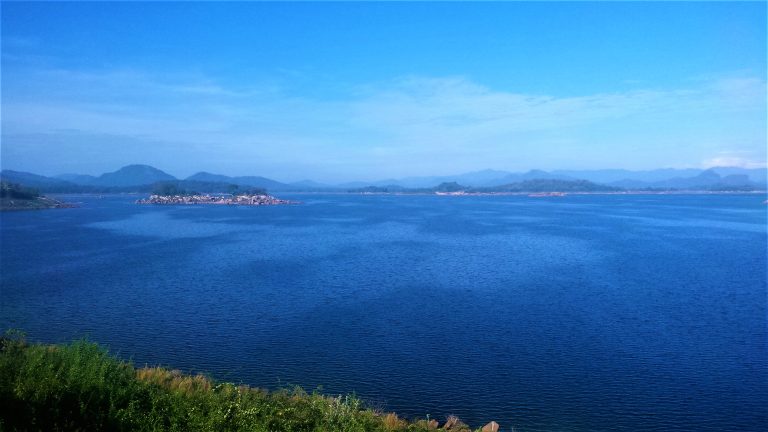
The government declared the park on 30 June 1972 under the Fauna and Flora Protection Ordinance. It gave a home to wildlife displaced by the Walawe River development scheme and protects the catchment of the Udawalawe Reservoir. It covers 30,821 hectares on the border of Ratnapura District (Sabaragamuwa) and Monaragala District (Uva).
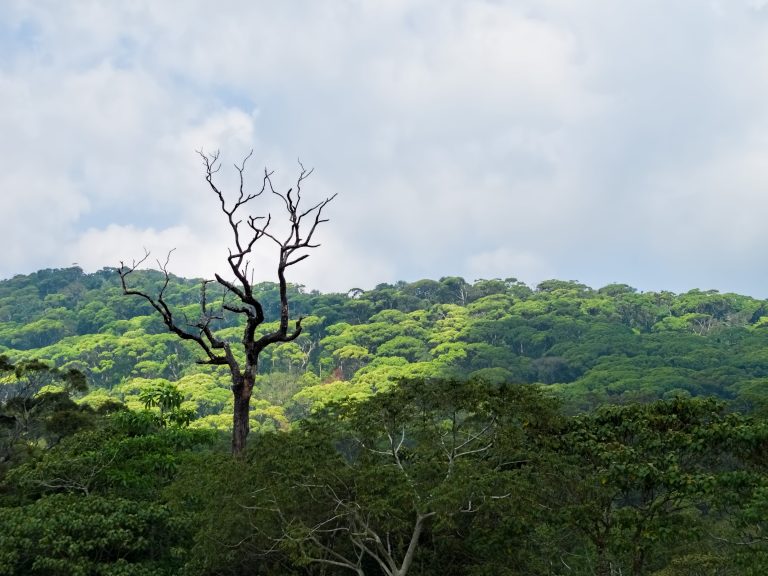
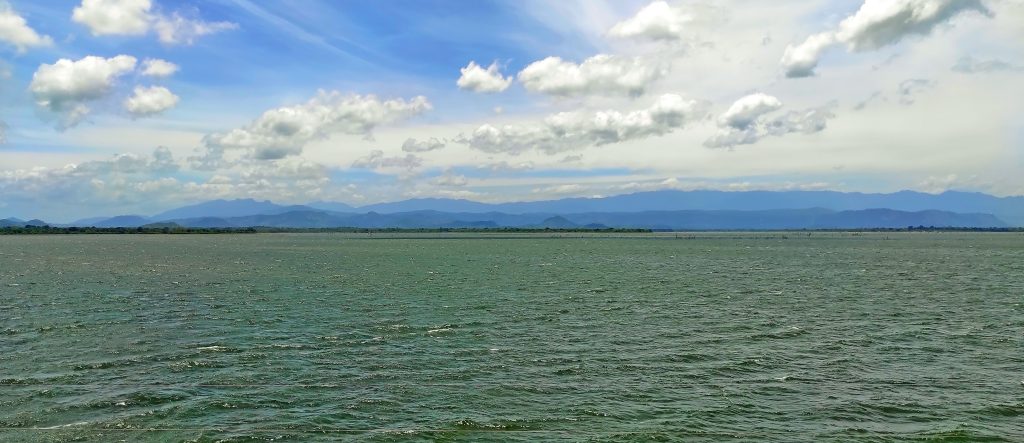
Much of the park is open grassland, the result of slash-and-burn (chena) farming before the park existed, mixed with scrub, forest and the shores of the reservoir. The Kalthota Range rises to the north.
What you can see
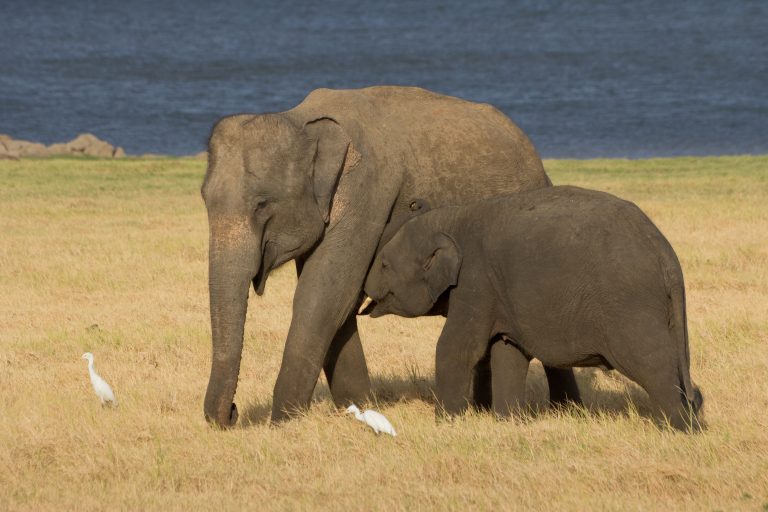
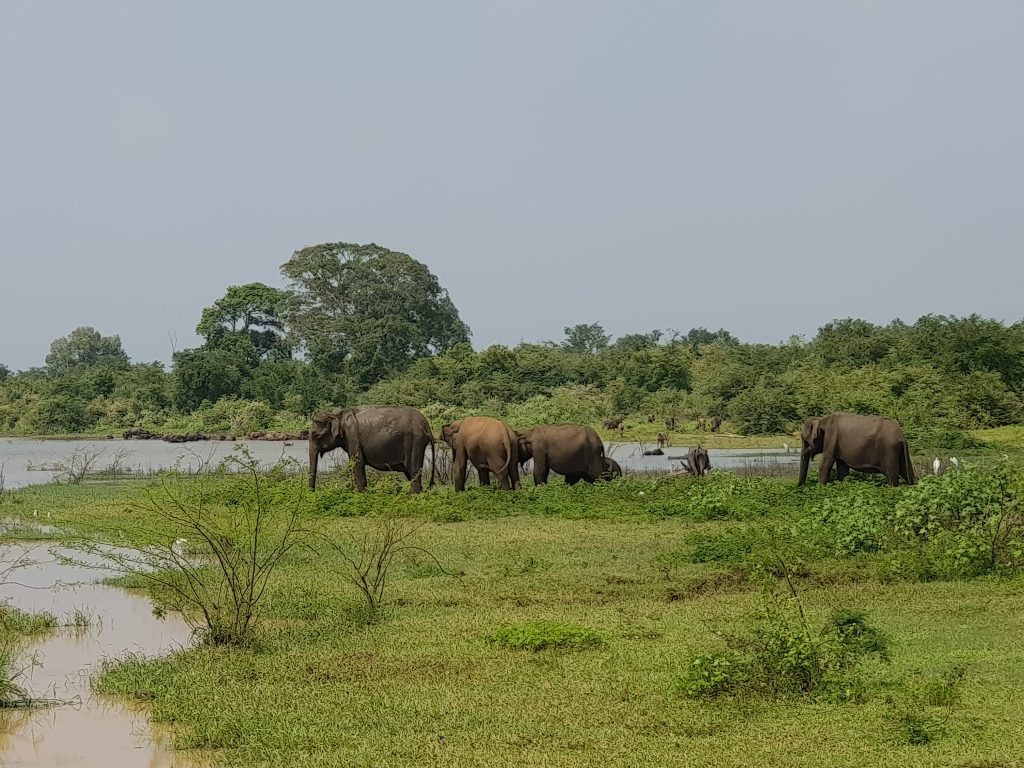
- Elephants: the reservoir and the Walawe River supply water all year, and elephants are the main attraction of Udawalawe National Park.
- Other mammals: water buffalo, sambar, spotted deer, wild boar, golden jackals and toque macaques. Leopards, fishing cats, rusty-spotted cats and sloth bears are present but seldom seen.
- Reptiles: mugger crocodiles and water monitors around the water.
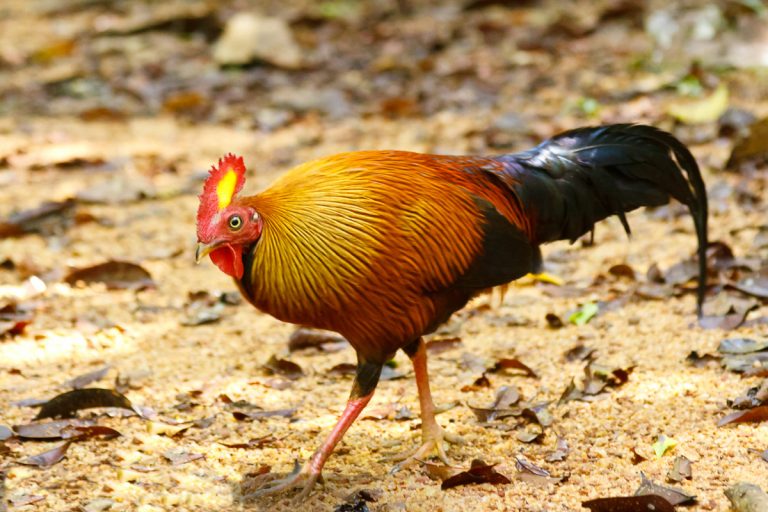
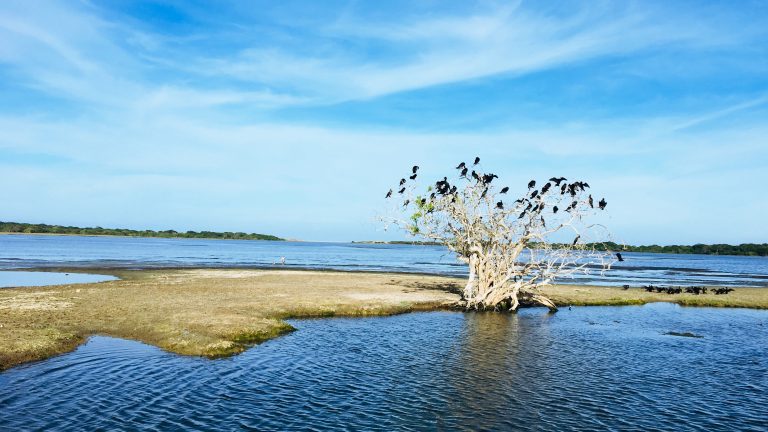
- Birds: endemic species such as the Sri Lanka junglefowl, Sri Lanka spurfowl, Sri Lanka grey hornbill and red-faced malkoha, and water birds on the reservoir.
Sri Lanka Tourism advises visiting in the morning or evening, when animals are most active.
The Elephant Transit Home
The DWC runs the Elephant Transit Home (Ath Athuru Sevana). Our guide to Pinnawala or wild elephants compares it with the Pinnawala orphanage. It takes in elephant calves that have been orphaned or separated from their herds and looks after them until they are old enough to live in the wild. Then the DWC releases them into the national park. It stands near the park, facing the Udawalawe Reservoir, and visitors can watch the young elephants.
The DWC does not publish the feeding times online, so ask locally or at the park office on the day.

Tickets, getting there and staying in the park
- Entrance: the park entrance is near the 7th km post on the Thanamalwila road.
- Tickets: you can buy tickets at the entrance office, and you can also reserve a day permit online: see the DWC’s day-permit booking guide. The DWC website does not show a current fee table, so confirm the price when you book.
- From Colombo: about 165 km by road via Ratnapura and Pelmadulla. Turn off the Pelmadulla–Embilipitiya road at Thimbolketiya junction onto the Thanamalwila road.
- Staying in the park: the DWC has campsites and tourist bungalows inside the park; the bungalows are at Thimbiriyagasmankada, Weheragolla, Seenuggala, Gonawiddagala and Pokunutenna. Book these through the DWC.
- No pork: since October 2024 the DWC has banned raw pork and pork products in all national parks until further notice.
Udawalawe fits into a route between the hill country around Ella or Haputale and the south coast around Galle.
Frequently asked questions (FAQs)
Who runs the Udawalawe Elephant Transit Home?
The Department of Wildlife Conservation. It cares for orphaned calves until it can release them into Udawalawe National Park.
What are the feeding times at the Elephant Transit Home?
The DWC does not publish them online. Ask locally or at the park office on the day.
Where is the entrance to Udawalawe National Park?
Near the 7th km post on the Thanamalwila road. You buy tickets at the entrance office.
What is the best time of day for a safari?
Morning or evening, according to Sri Lanka Tourism.
Can you see leopards at Udawalawe?
Leopards live in the park, but sightings are rare. Elephants are the main attraction.
Header photo: wsThushansenevirathna / Wikimedia Commons, CC BY-SA 4.0.