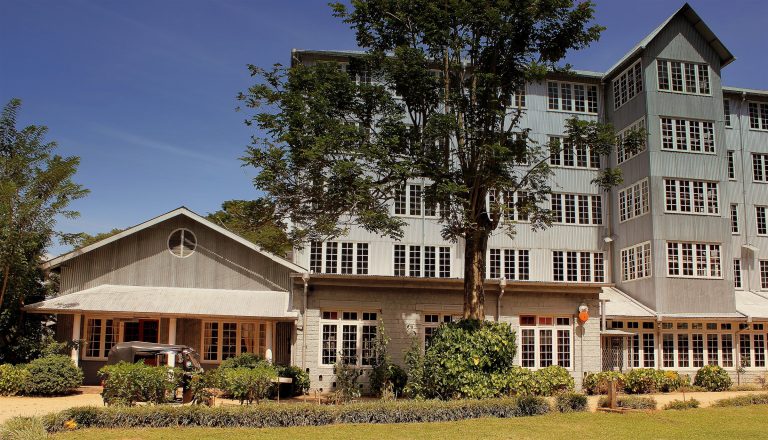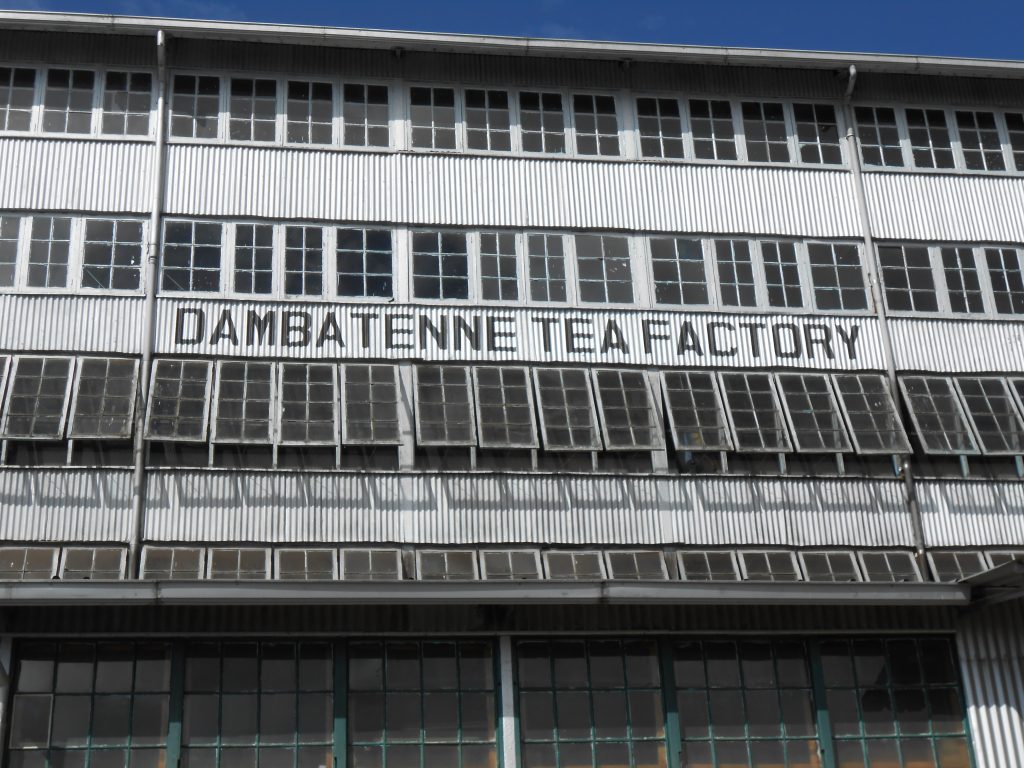
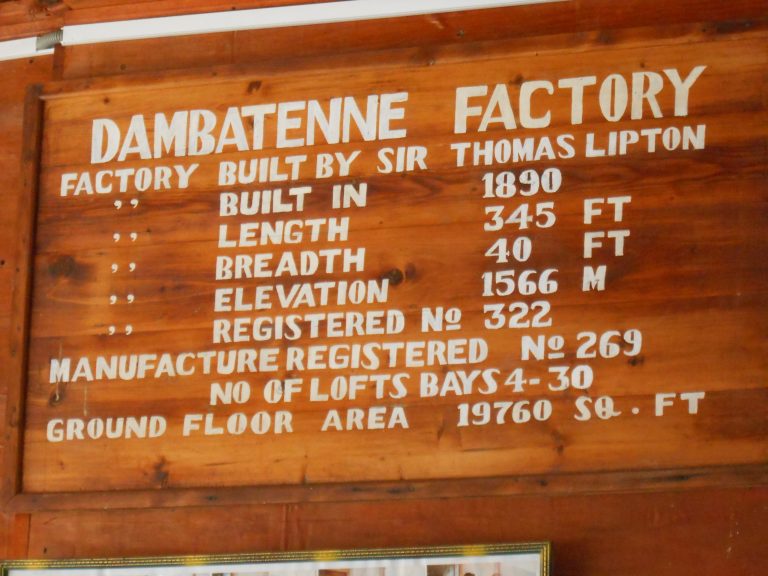
Dambatenne Tea Factory is the long, tin-clad factory that Sir Thomas Lipton built on his Dambatenne estate above Haputale in 1890. It still makes tea today, and visitors can walk through it on the way up to Lipton’s Seat. The building is billed as the longest tea factory in Sri Lanka, and the painted board inside gives its length as 345 feet.
Is it worth visiting?
Go if you are heading up to Lipton’s Seat anyway and would like to see where Lipton’s own tea was made, in a working factory that has not been tidied up for tourists.
Think twice if you want a polished visitor centre with a café and a tasting room, because recent visitors (2025–26) describe a short, noisy and dusty walk through the working floors, and some have found the air hard to breathe.
Lipton’s factory
Lipton, the Scottish grocer whose name is still on tea packets around the world, first came to Ceylon in 1890. He bought Dambatenne in the 1890s and kept it until his death in 1931. The estate’s tea went into his own packets, and the Sri Lanka Tea Board credits tea from his Uva estates with persuading Americans to drink tea at all.
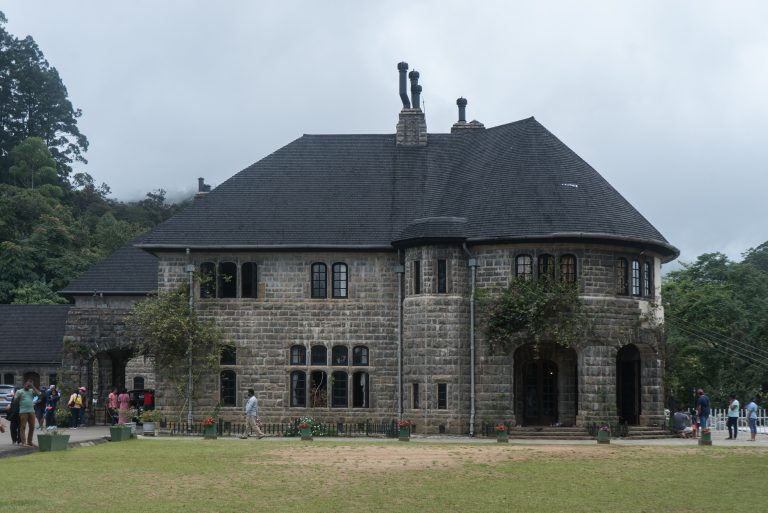
The factory he built in 1890 is a working building first and a sight second. Rows of small-paned windows run along its corrugated walls, and the board inside lists the facts the staff are proud of: 345 feet long, 40 feet wide, at an elevation of 1,566 metres. Today the estate belongs to Agarapatana Plantations. Its finest teas still go out under the estate’s own Bandara Eliya mark.

What you see inside
Ceylon tea is still made by the slow orthodox method, and a visit takes you through it more or less in order. Upstairs, freshly plucked leaf is spread on long troughs to wither for most of a day. Downstairs, rolling machines break it up, and it lies out to oxidise until it turns a coppery colour. Then it is dried in hot ovens and sifted into grades by leaf size, from whole leaf down to dust.
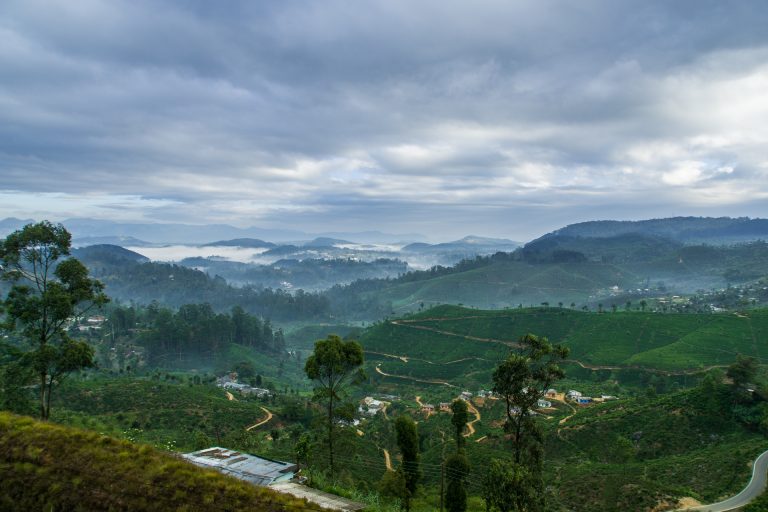
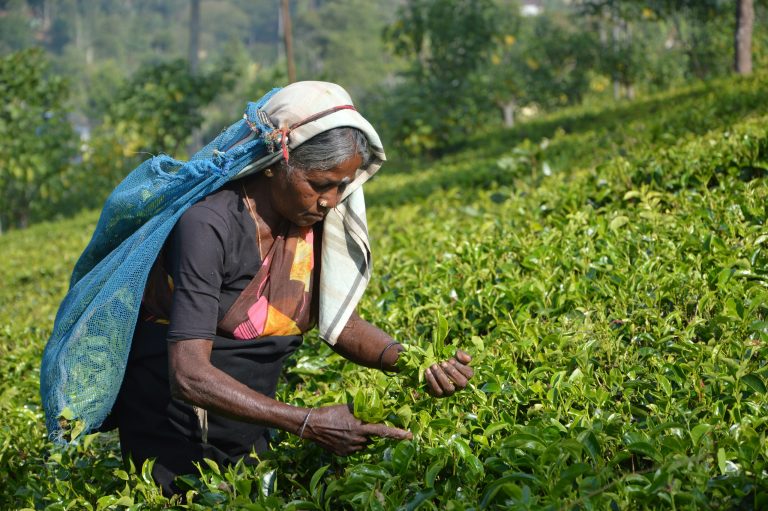
Here, on the south-eastern slopes of the hills, that leaf is Uva tea. The Tea Board describes it as mellow and smooth, shaped by winds from both monsoons, and best in the “quality season” from July to September.
How a visit works
The factory publishes no visiting hours or prices, so what follows comes from visitor reports. A member of staff walks you round the floors and explains each stage, and the tour is short. Photography is not allowed inside, and some visitors have been asked to cover their shoes before going onto the factory floor. Visitors pay a small amount in cash, described by some as a fee and by others as a donation, so carry small notes. Afterwards you can buy packets of the estate’s tea, but don’t count on a tasting, since some visitors get a cup and others don’t.
The machines run hardest in the morning, and visitors who arrive in the afternoon often find the factory quiet. Since mist tends to hide the view from Lipton’s Seat by late morning, go up to the viewpoint first and stop at the factory on the way down, while it is still busy.
Recent visitors also mention worn, uneven flooring upstairs and tea dust in the air. If you have asthma, or are visiting with small children, keep your visit short or watch from the doorway.
Getting there
The factory stands beside the estate road that climbs from Haputale to Lipton’s Seat. Most people take a tuk-tuk from Haputale, or ride the local bus as far as the factory and then walk on up to the viewpoint through the tea. The road is narrow, steep and winding, so take care after heavy rain.
Haputale is on the hill-country railway towards Ella and Badulla; for which trains are running, see the travel update at the top of this page. Staying in Nuwara Eliya instead? Pedro Tea Estate offers a similar factory visit close to town.
Frequently asked questions (FAQs)
Who built Dambatenne Tea Factory?
Sir Thomas Lipton, in 1890. The estate now belongs to Agarapatana Plantations and the factory still makes tea.
Is Dambatenne the longest tea factory in Sri Lanka?
It is billed as the longest. The factory’s own board gives its length as 345 feet.
Can you take photos inside Dambatenne Tea Factory?
No. Visitors report that photography is not allowed inside the factory, though you can photograph the building and the estate outside.
How do I get to Dambatenne Tea Factory?
By tuk-tuk or local bus from Haputale, on the road up to Lipton’s Seat. Many people combine the two in one morning.
When is the best time to visit?
In the morning, when the machines are running. Visit Lipton’s Seat first for the clearest view, then stop at the factory on the way down.
Header photo: Tjeerd Wiersma / Flickr, CC BY 2.0.